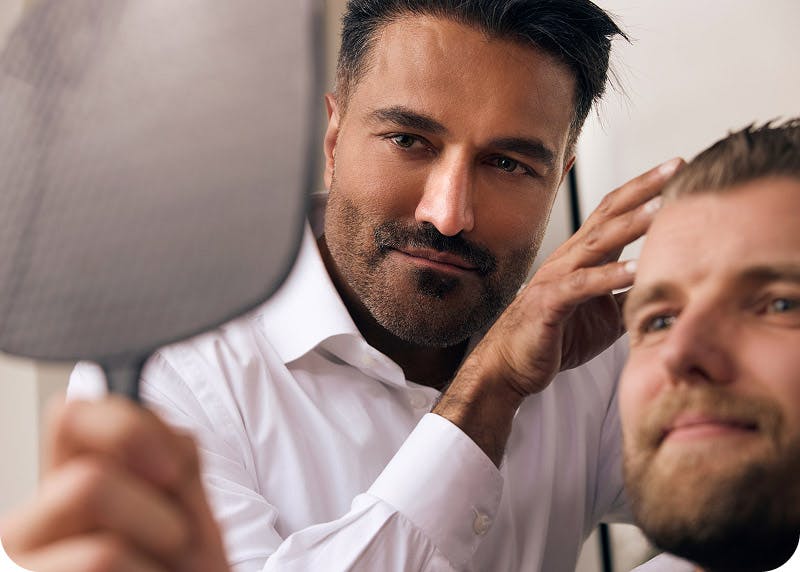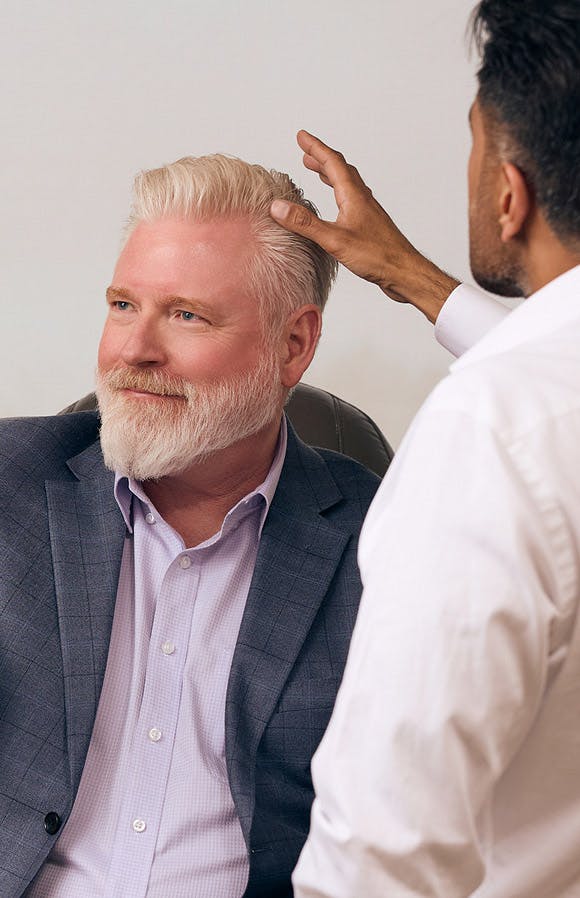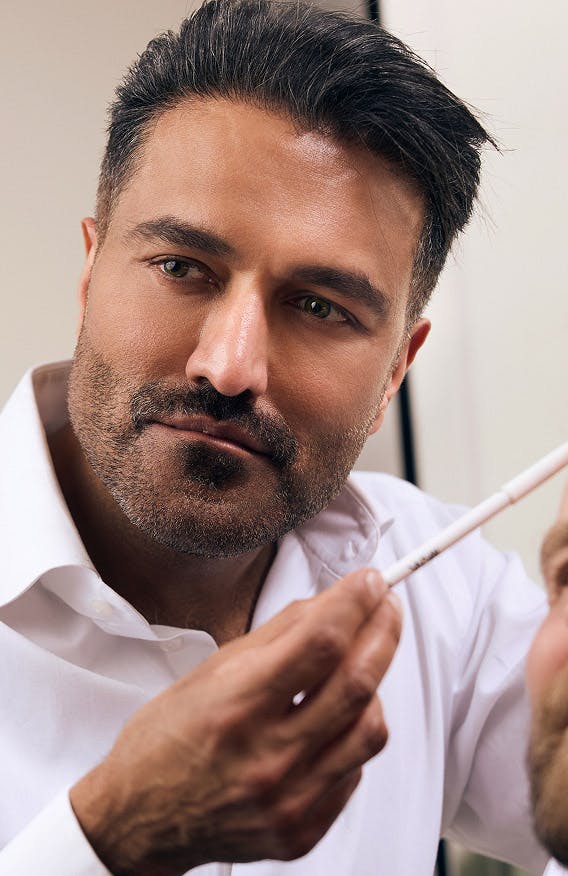
The Canadian Hair Transplant Centre in Edmonton adheres to strict surgical protocols established by the International Society of Hair Restoration Surgery (ISHRS) and the College of Physicians and Surgeons of Alberta (CPSA). Our facility operates under CPSA regulations, uses validated surgical instruments, and maintains controlled environmental conditions throughout all procedures.
Surgical Clinic for Natural Hair Restoration







Safety First, Always
The facility is approved as a Non-Hospital Surgical Facility and maintains Infection Prevention and Control (IPAC) certification in accordance with CPSA standards.
- CPSA-compliant surgical facility standards
- 4-point microscopic graft inspection
- Real-time graft viability technology
- High-density implantation mastery (up to 60 grafts/cm²)
- Exclusive surgical hair restoration experts
- ATP-enhanced graft storage at 2-4°C using HypoThermosol
- Proprietary accelerated recovery protocol (50% faster healing)
Designed for Precision
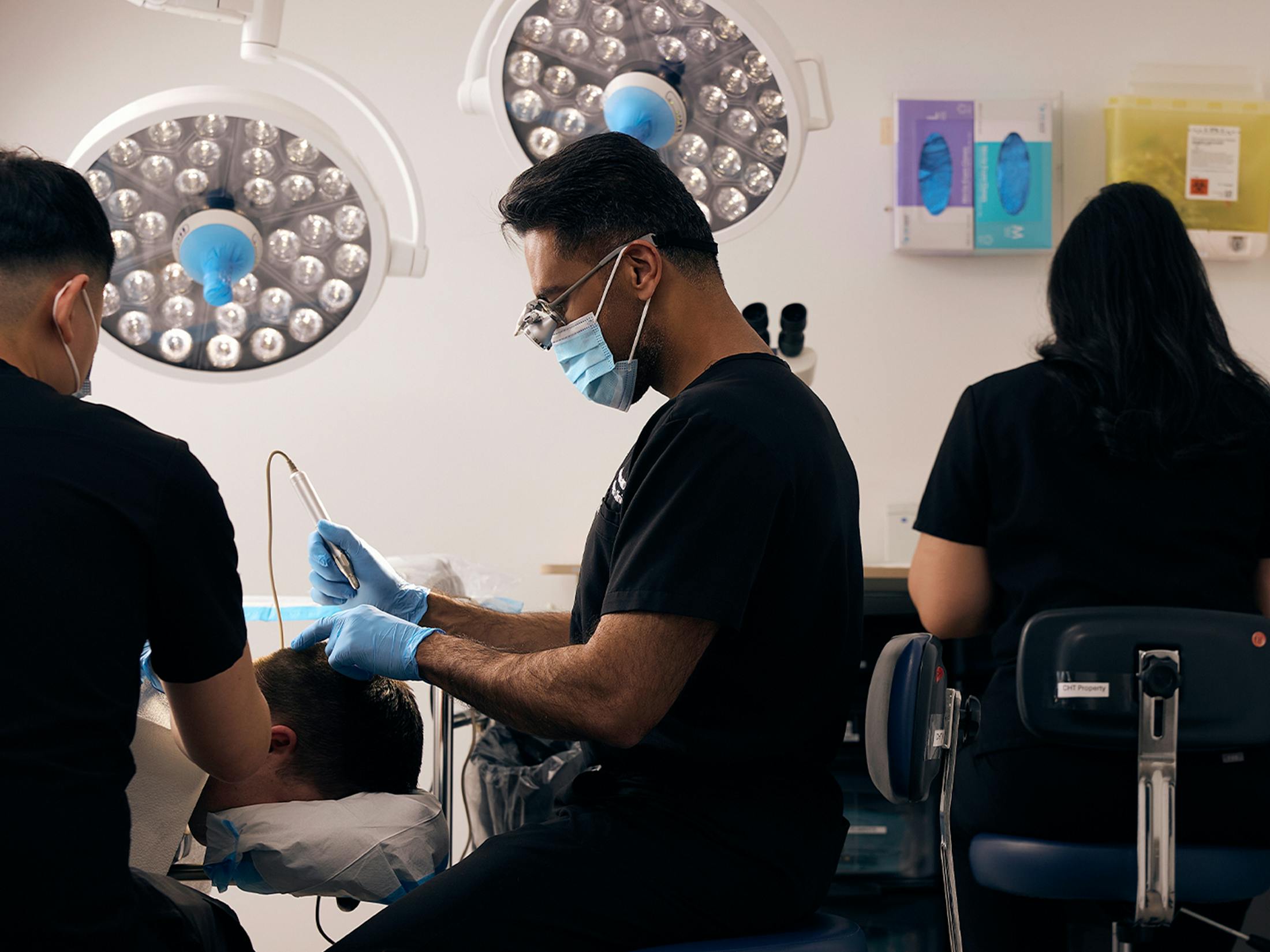
The specialized facility features two surgical suites, each designed specifically for hair transplant procedures. Each suite complies with the standards set by the College of Physicians and Surgeons of Alberta for non-hospital surgical facilities. Necessary sterility levels are ensured through HEPA filtration systems and controlled air exchange rates. The facility includes dedicated spaces for pre-operative assessments utilising digital trichoscopy and scalp scanning technology. There are also sterile surgical areas for graft extraction and implantation, along with a separate recovery area for post-operative monitoring when needed. All areas maintain temperatures between 18°C and 22°C and humidity levels between 40% and 60%. Additionally, the facility can reduce temperatures below 18 °C to optimise graft survival during ex vivo storage periods, where minimizing out-of-body time is critical.
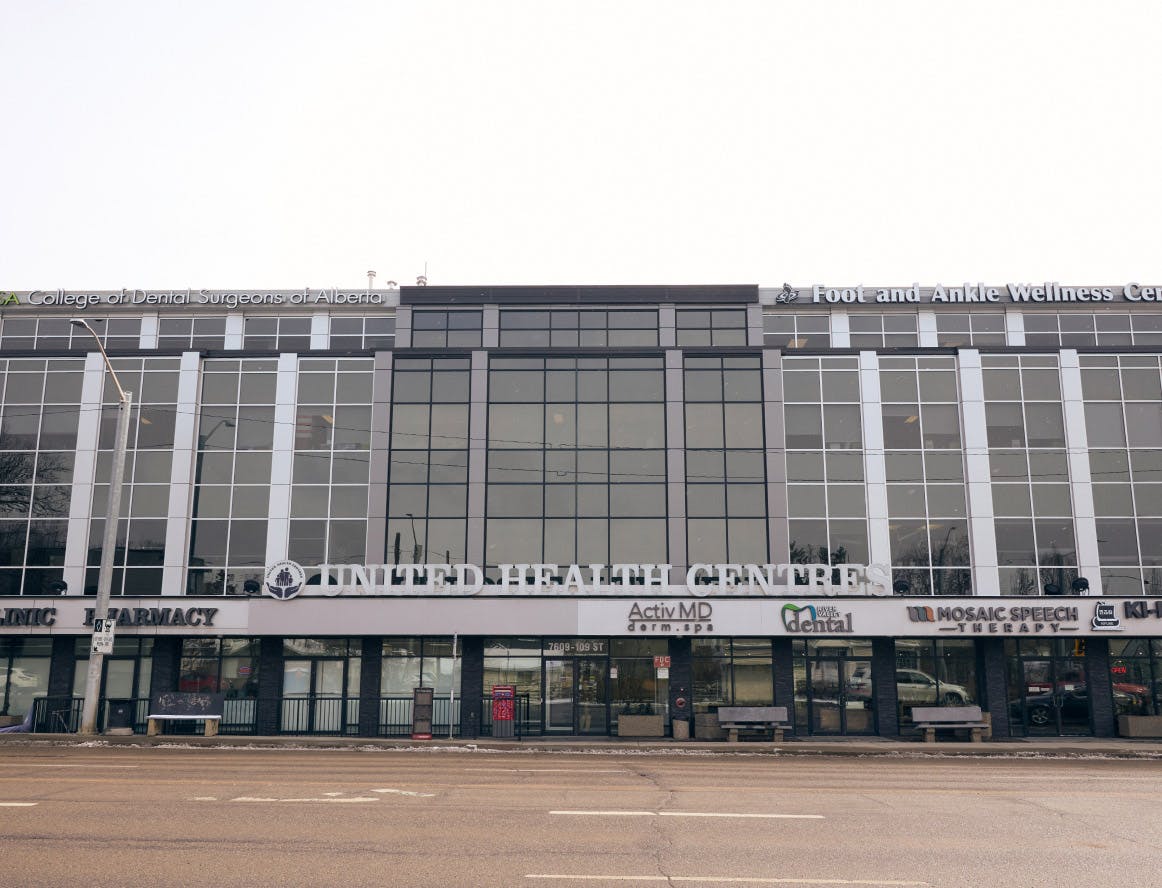
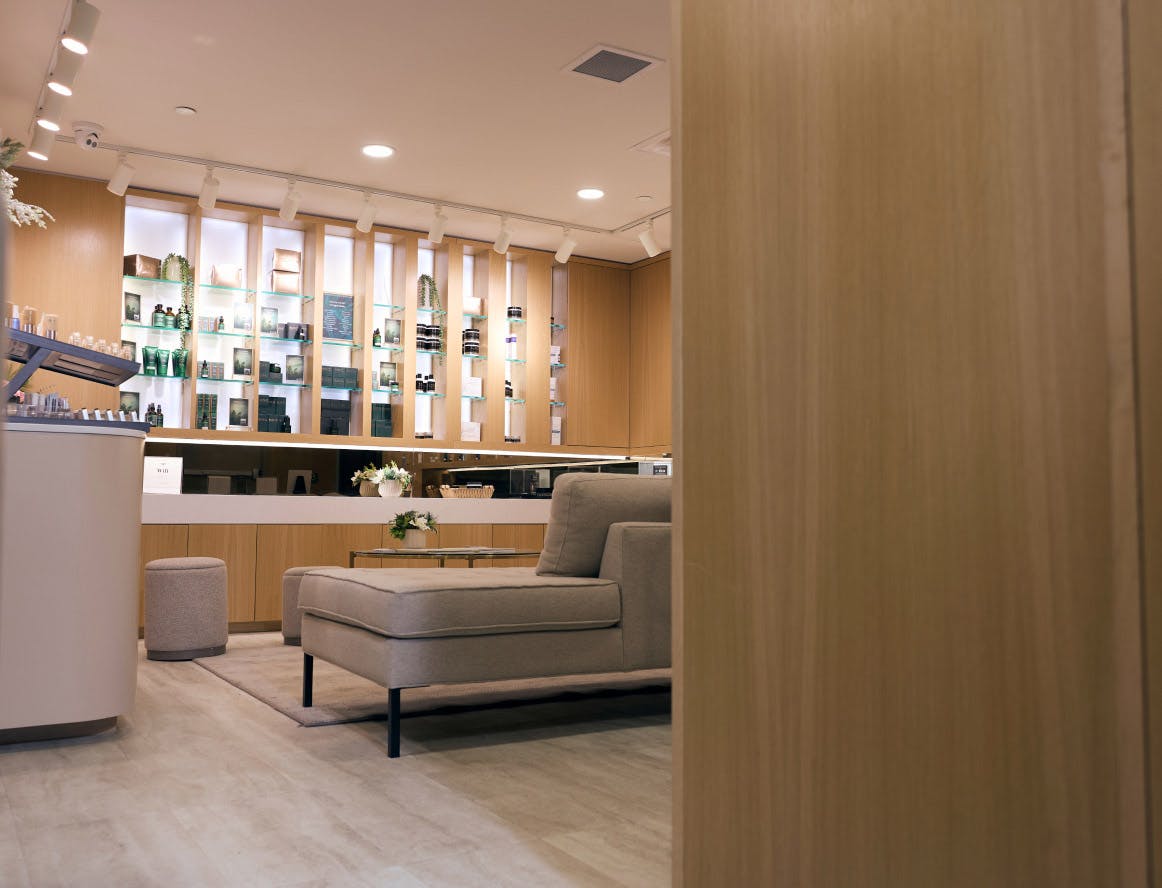
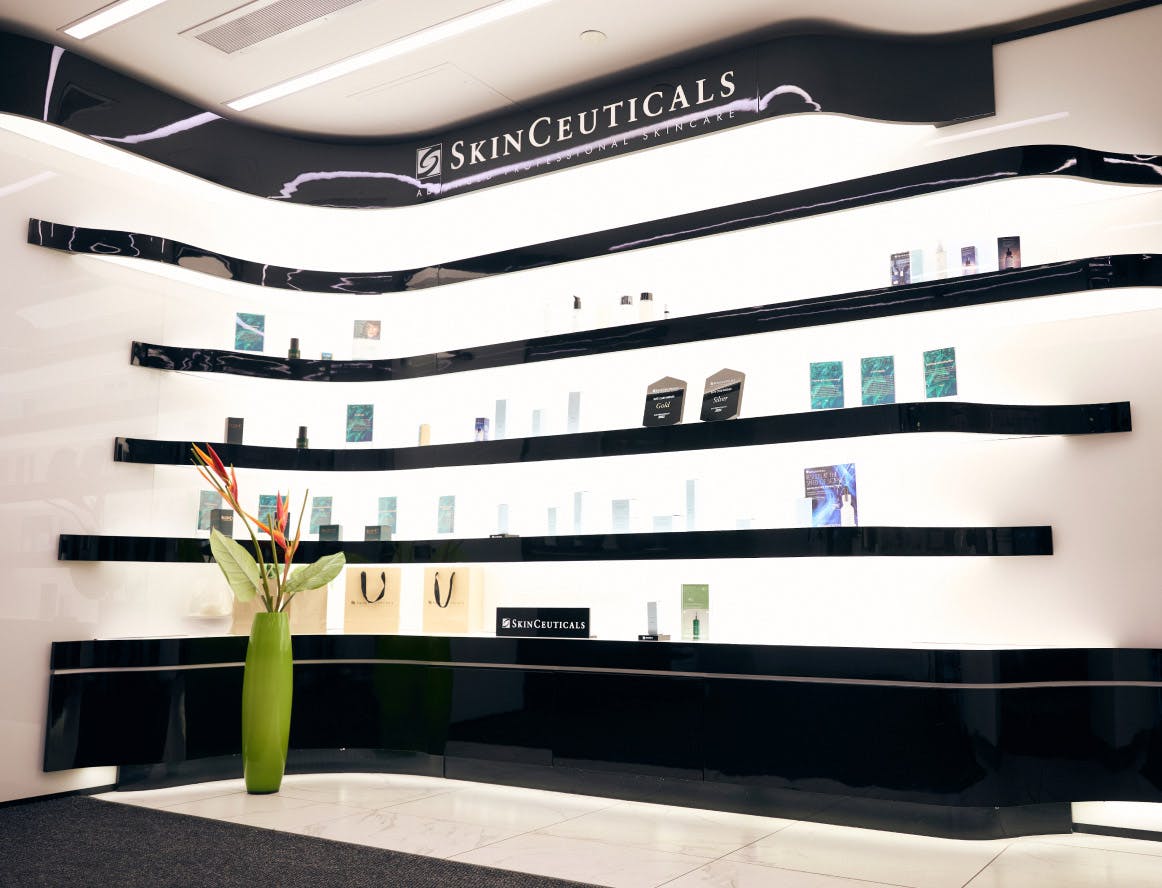
Our Office
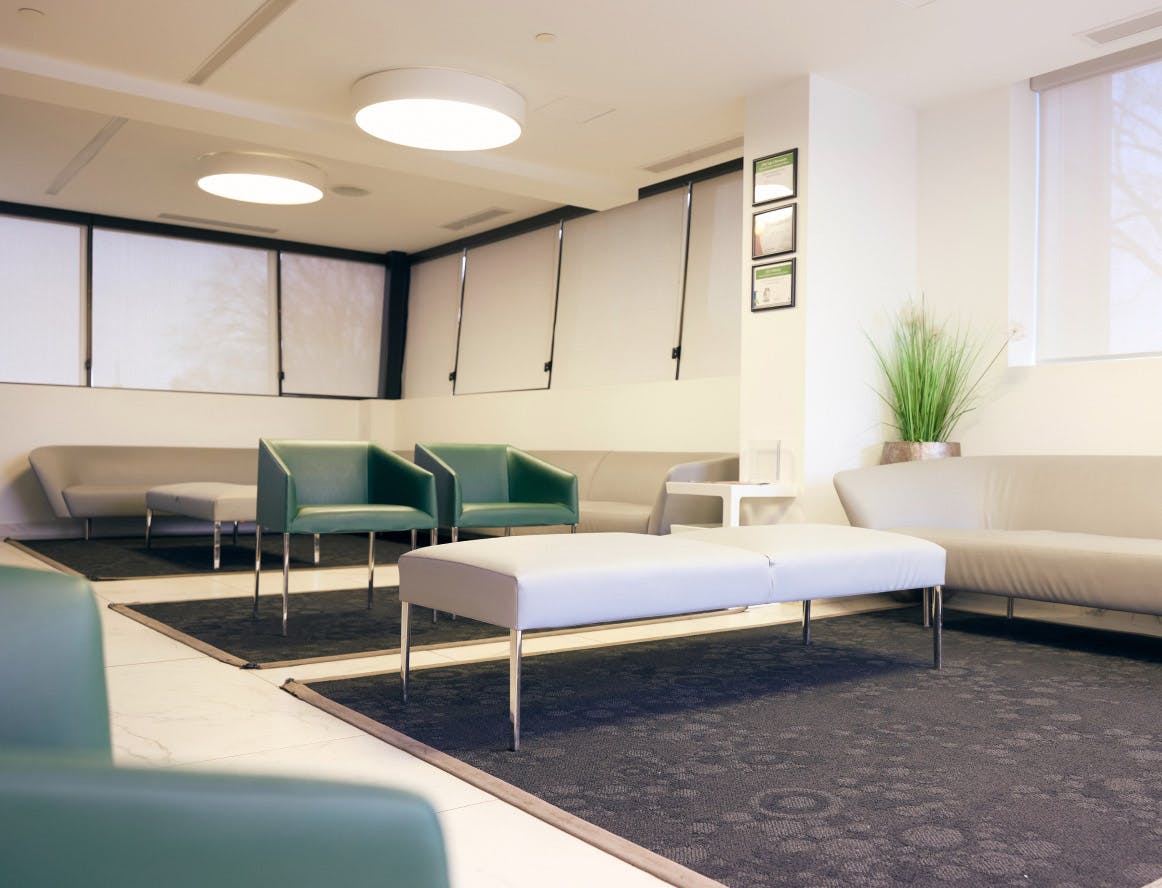
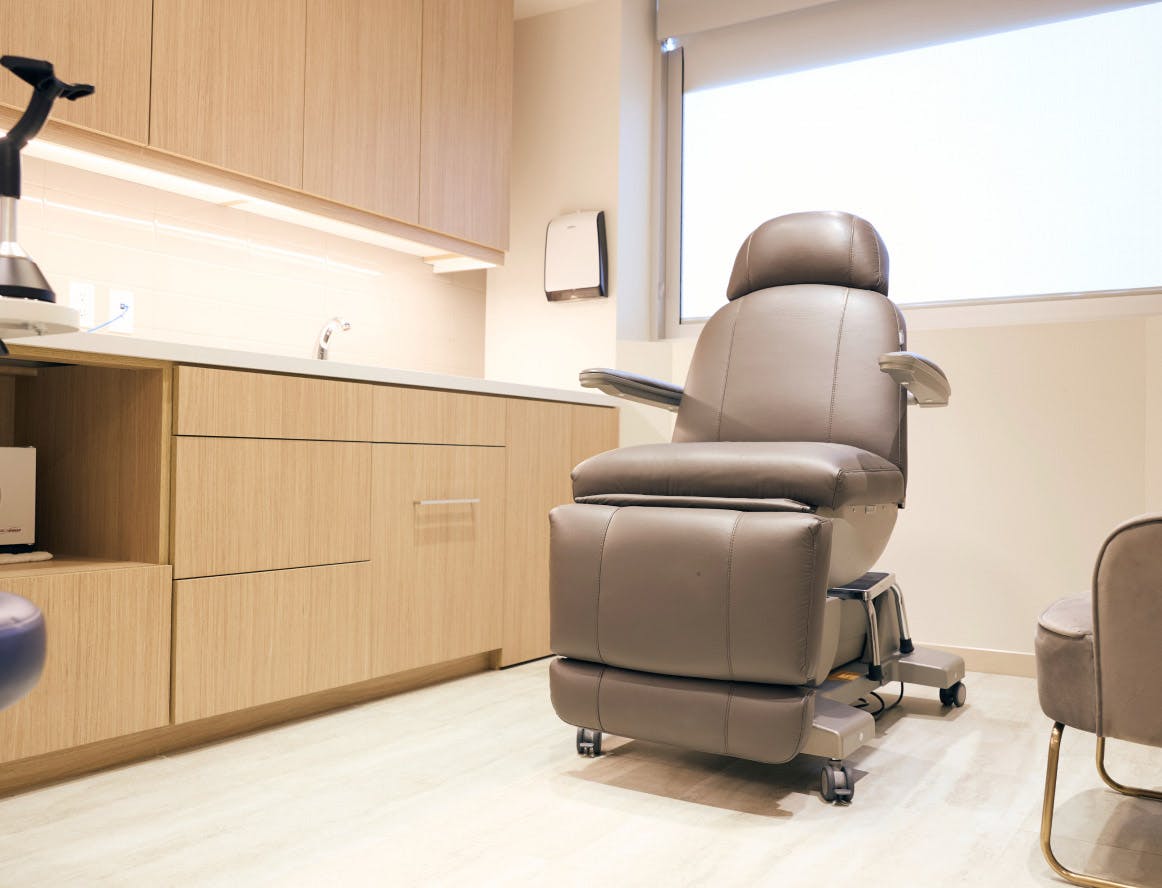
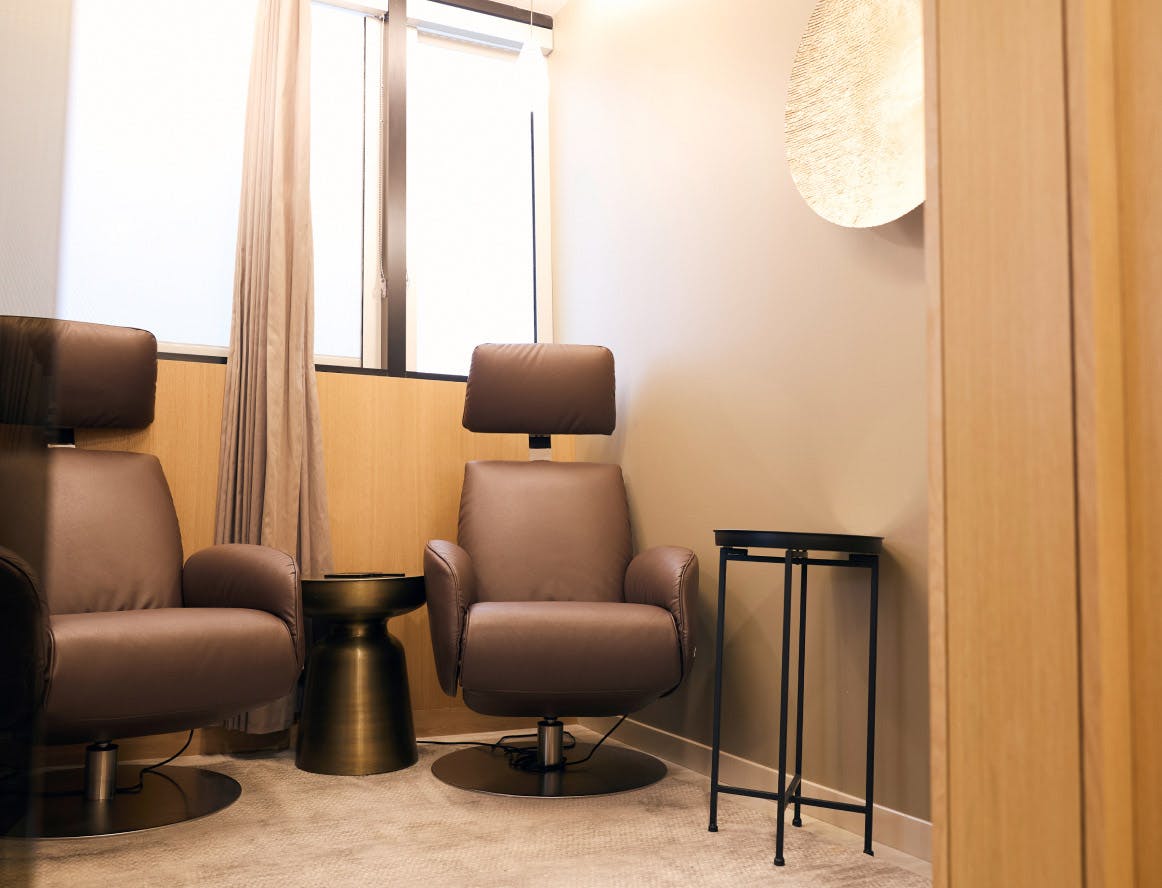
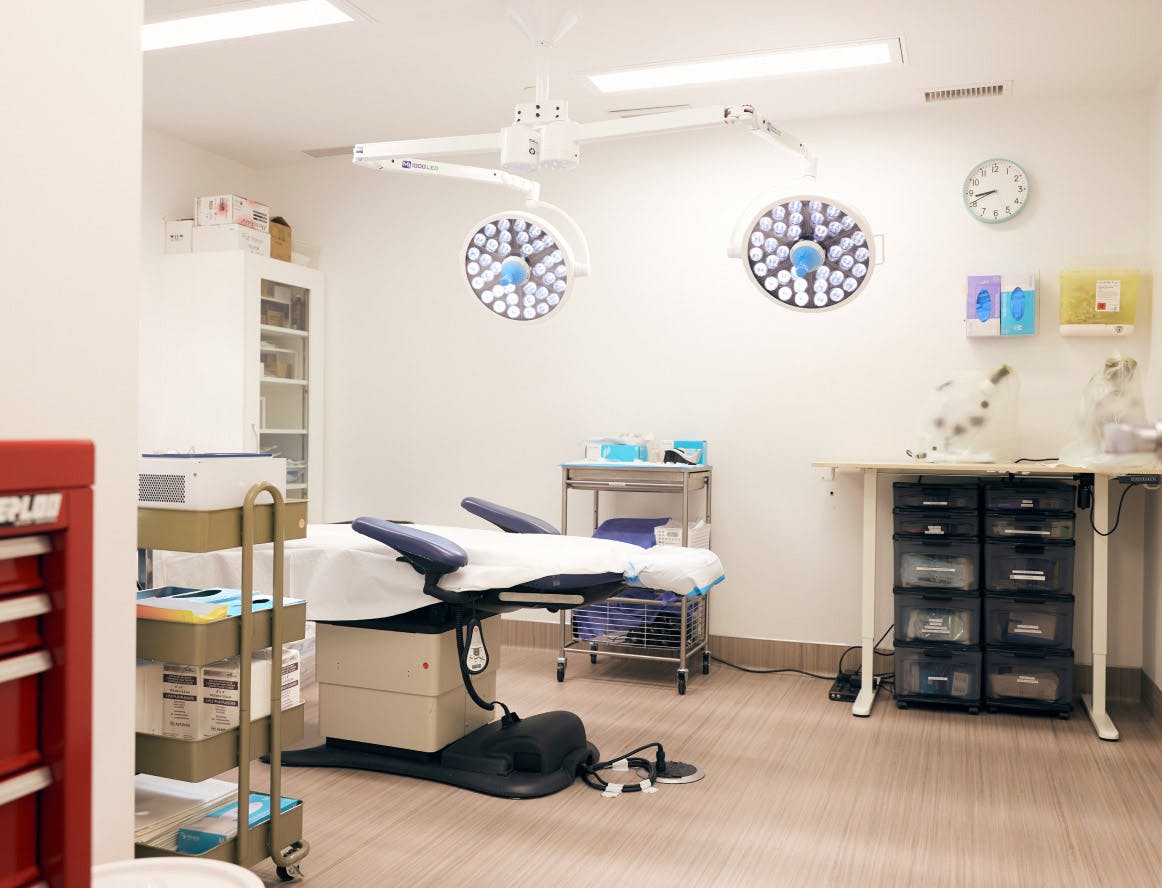
Surgical Equipment Used at the Canadian Hair Transplant Centre
Microscopic Systems for Precision
- Stereomicroscopes with magnification ranges from 5x to 40x enable visualization of follicular unit anatomy during dissection.
- Under microscopic examination, each graft is assessed for hydration status, potential dehydration, and bulb integrity.
- The bulb contains critical stem cells essential for hair growth, making microscopic evaluation vital for graft viability.
- This detailed inspection requires adequate staffing to ensure every graft receives proper assessment.
- Digital imaging systems can document graft quality and quantity for surgical records.
Innovative Implantation Tools
- Recipient site creation requires artistic precision using varied instruments tailored to individual patient needs and desired outcomes.
- Our comprehensive toolkit includes:
- CT blades offering custom-cut configurations
- Specialized 19-gauge and 20-gauge hypodermic needles (modified without hollow centers to prevent epidermal tissue removal)
- SP blades are engineered to create incisions matching exact follicular dimensions
- Blade diameters range from 0.6 mm to 1.2 mm to accommodate different graft sizes while minimizing tissue trauma.
- This diverse instrumentation ensures customised approaches rather than limiting them to a single technique.
Graft Preservation Systems
- Harvested grafts are stored in hypothermic solutions containing ATP, antioxidants, and osmotic stabilizers at 2-8 °C.
- This temperature reduces metabolic demand by approximately 50% compared with room-temperature storage.
- Solutions maintain:
- pH between 7.0–7.4
- Osmolality of 280–320 mOsm/kg
- These parameters prevent cellular swelling or dehydration during ex vivo (out-of-body) periods.

Mandatory Follow-Up Visit
- A clinical assessment occurs within 24 hours post-procedure to evaluate graft placement and donor site healing.
- Evaluation includes:
- Graft security at recipient sites
- Progression of facial and scalp edema
- Signs of infection or excessive crusting
- Recipient areas are cleansed using sterile saline spray.
- Washing techniques are reviewed to prevent graft dislodgement during the critical 7–10 day adherence period.


Follow Us