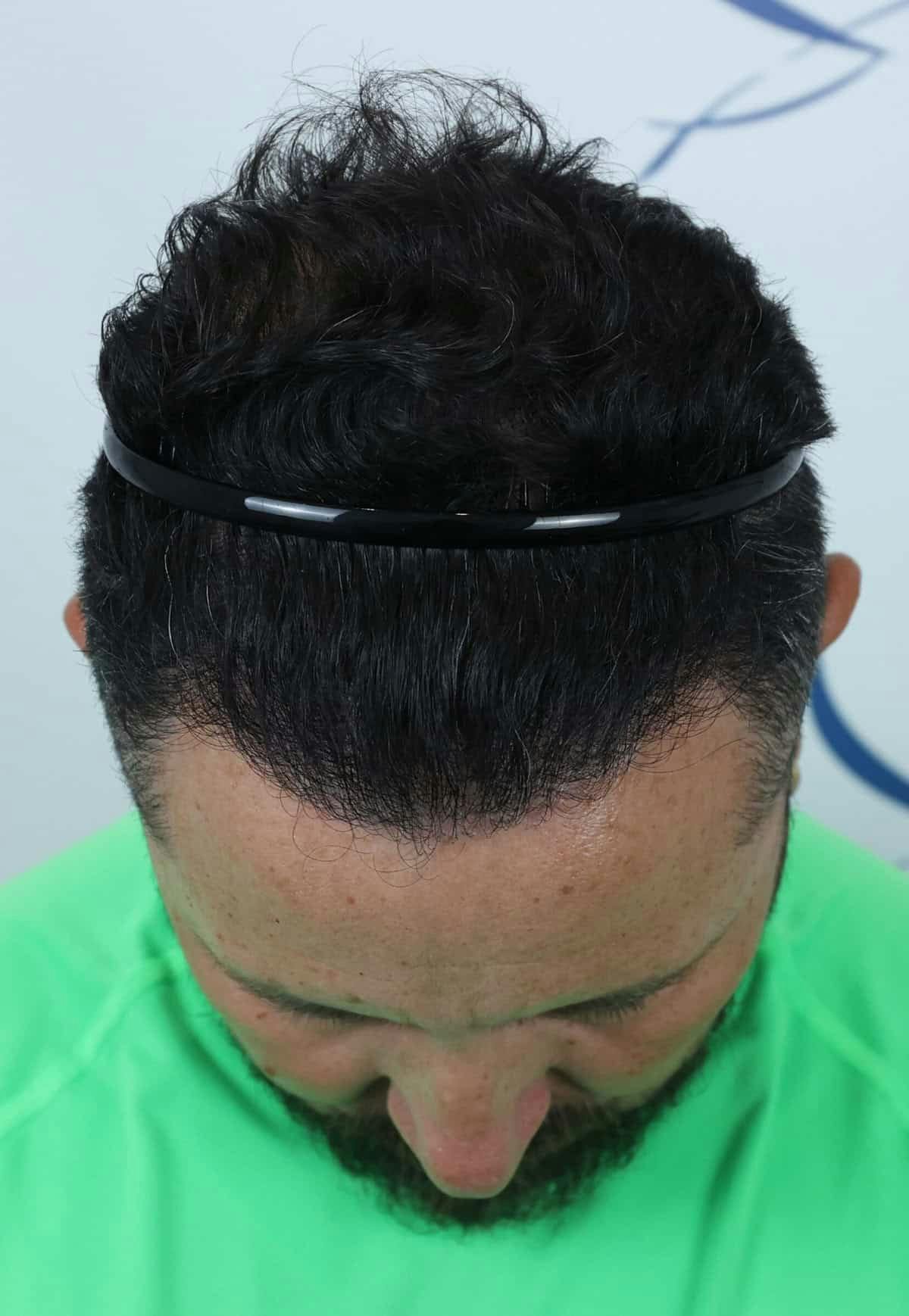
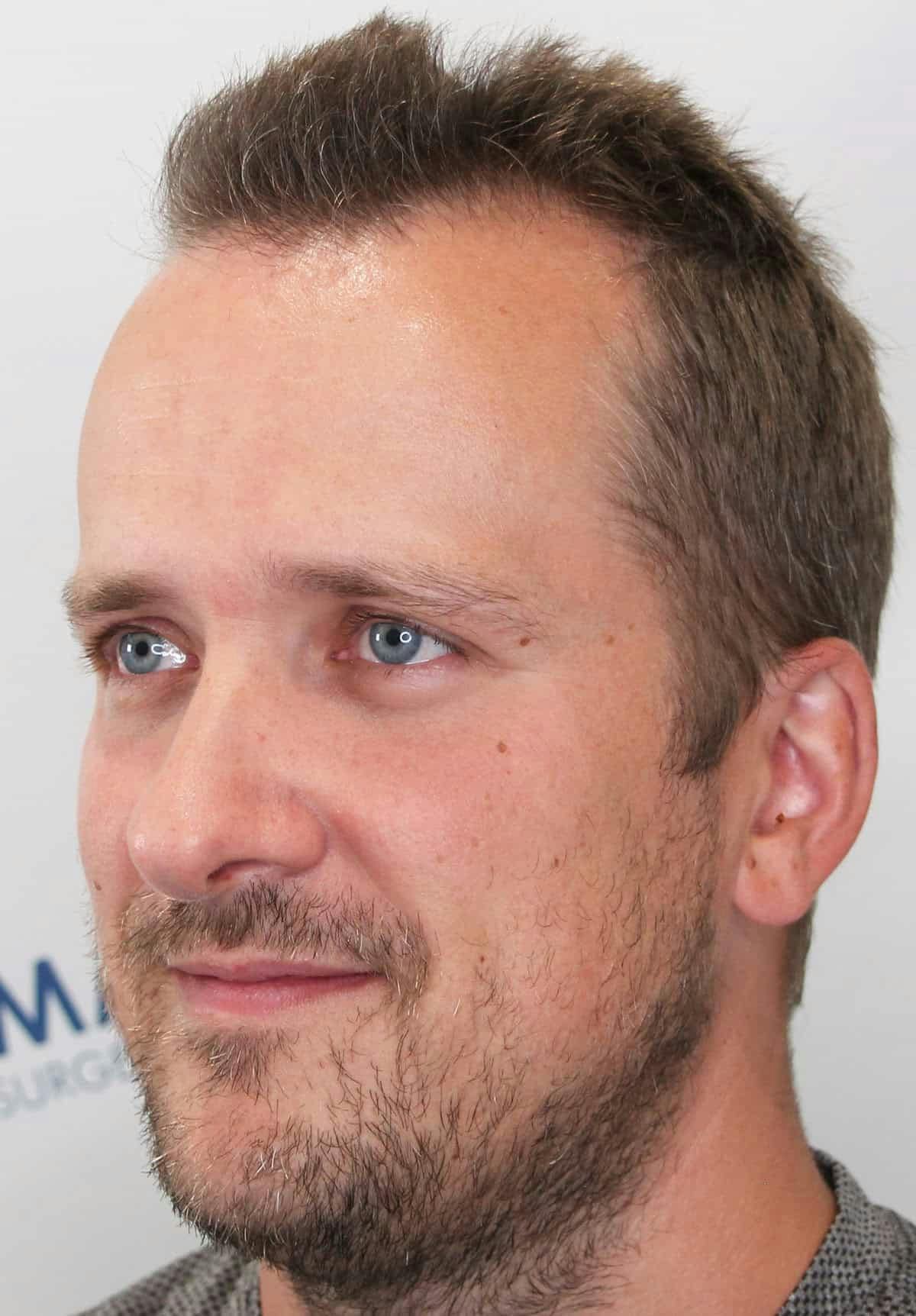
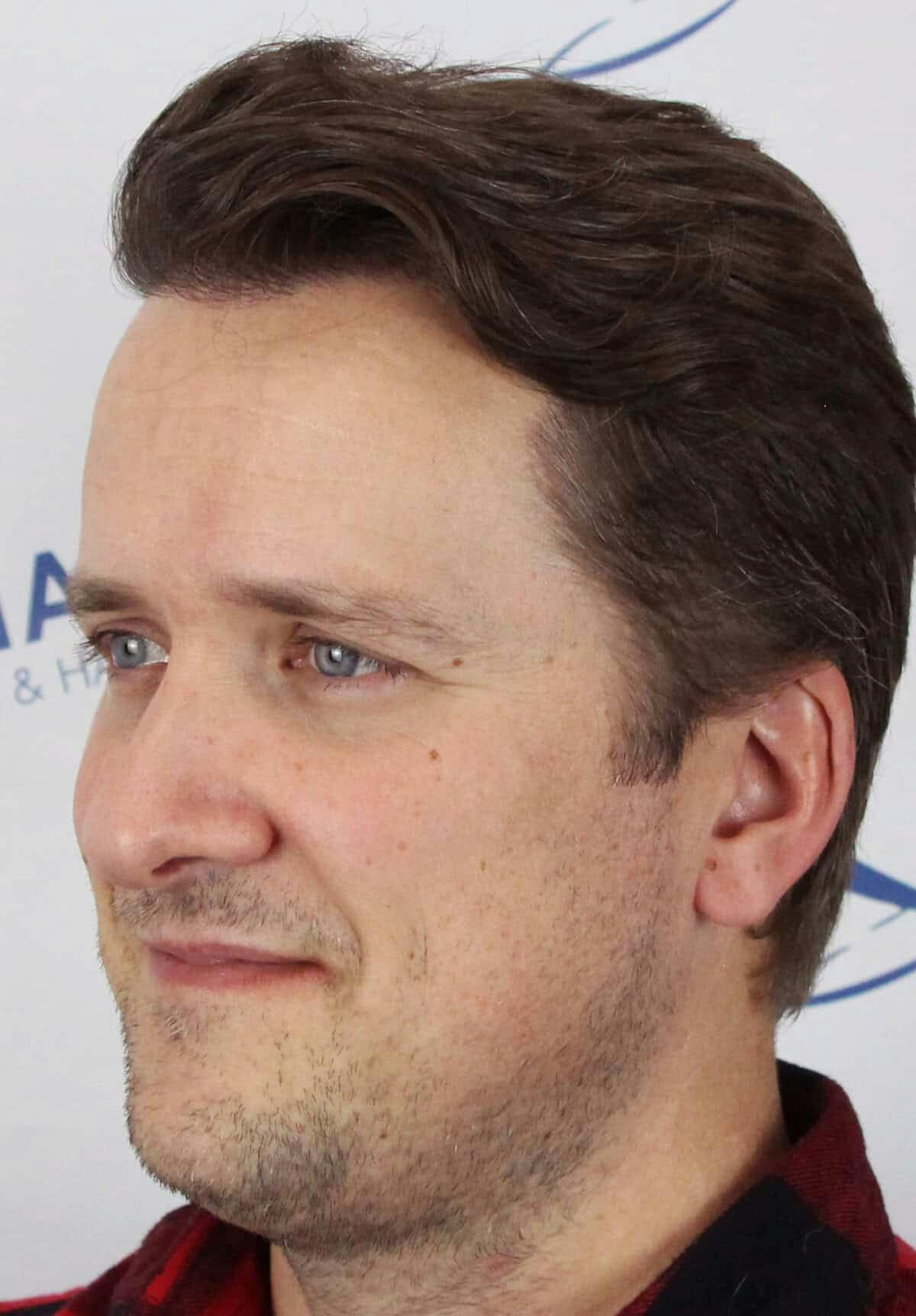
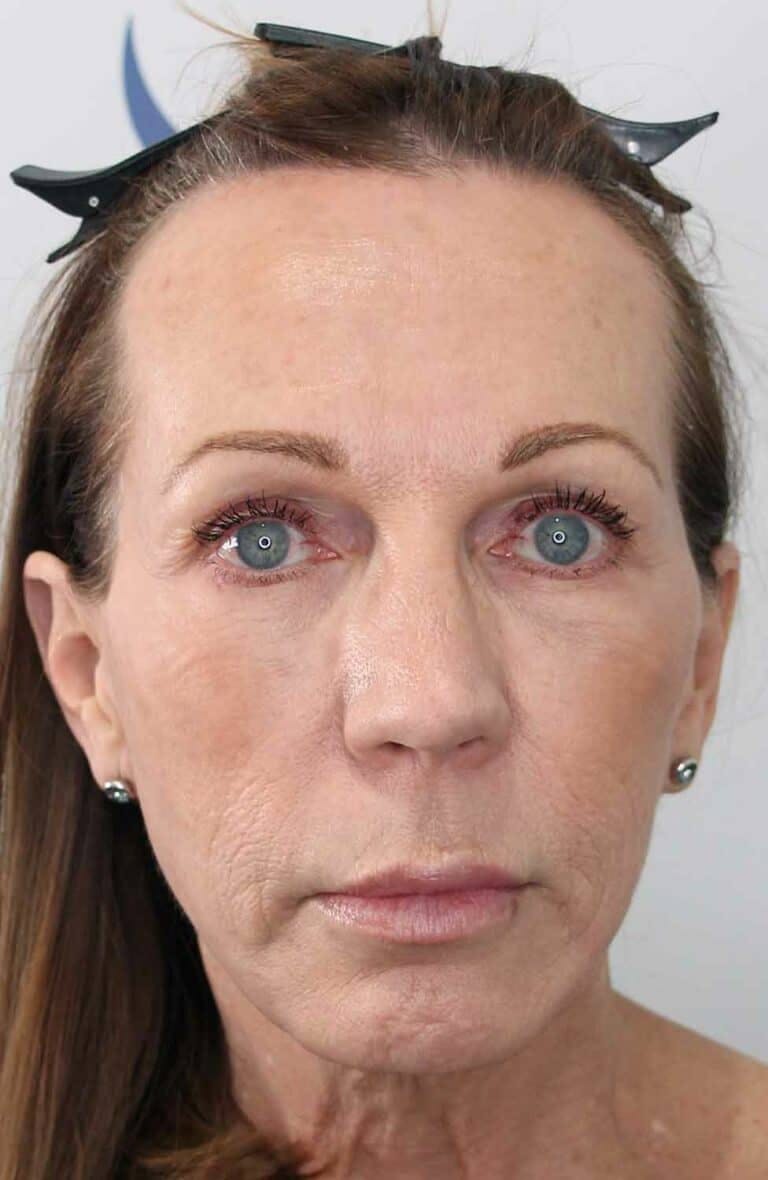
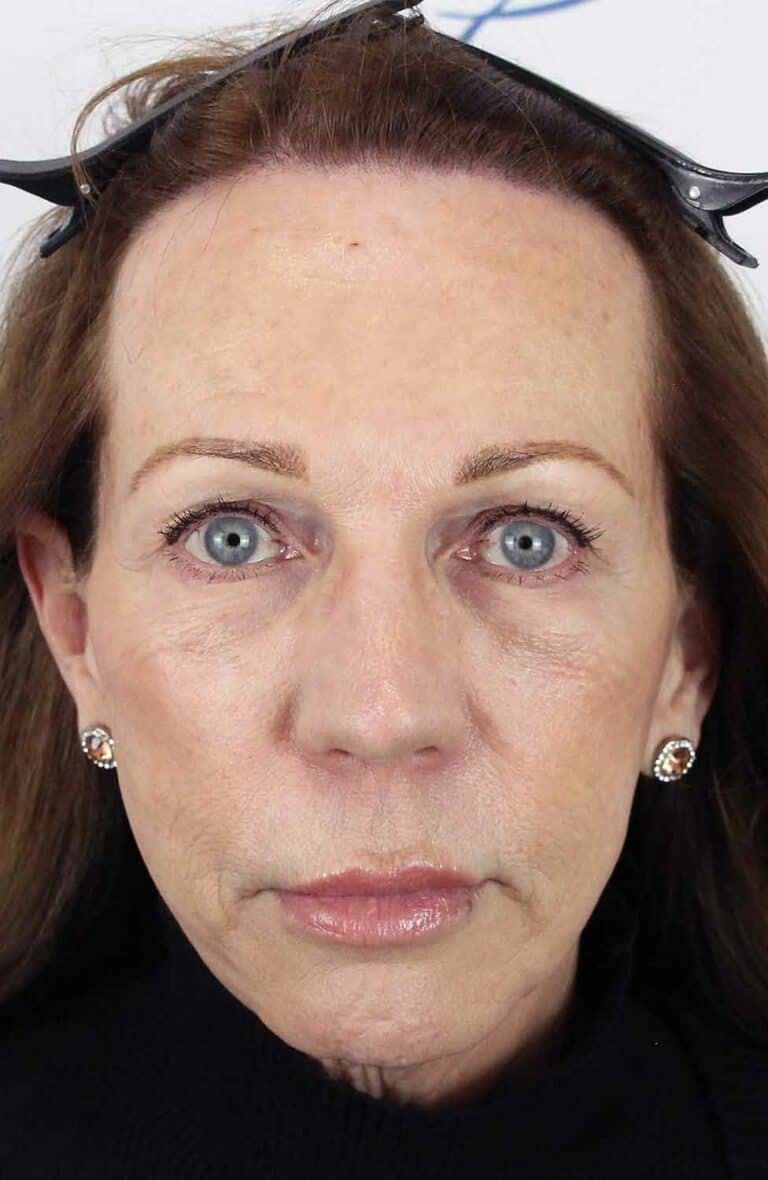
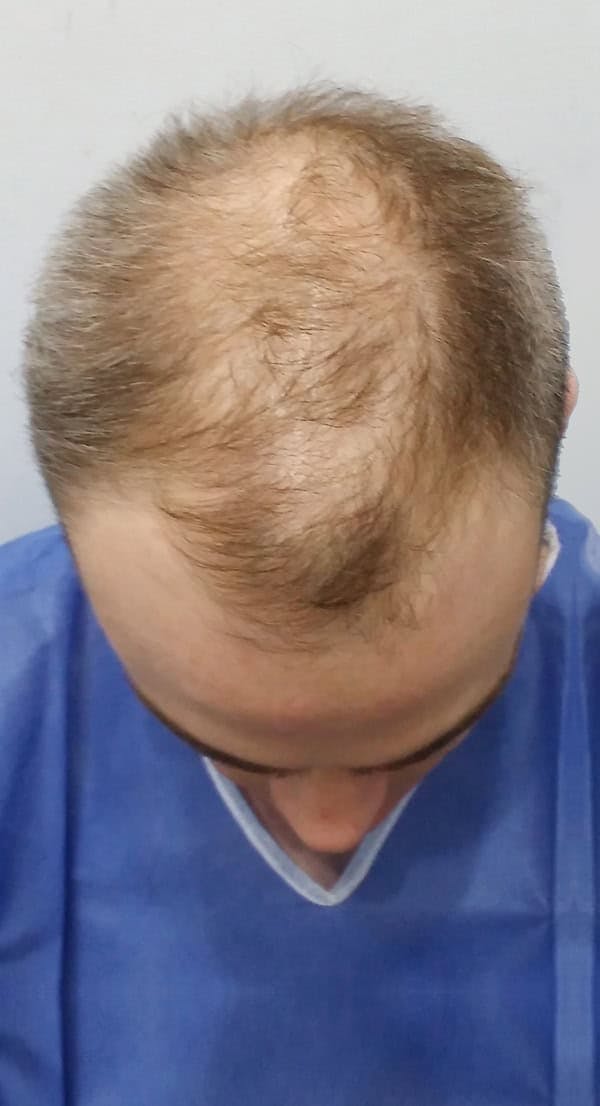
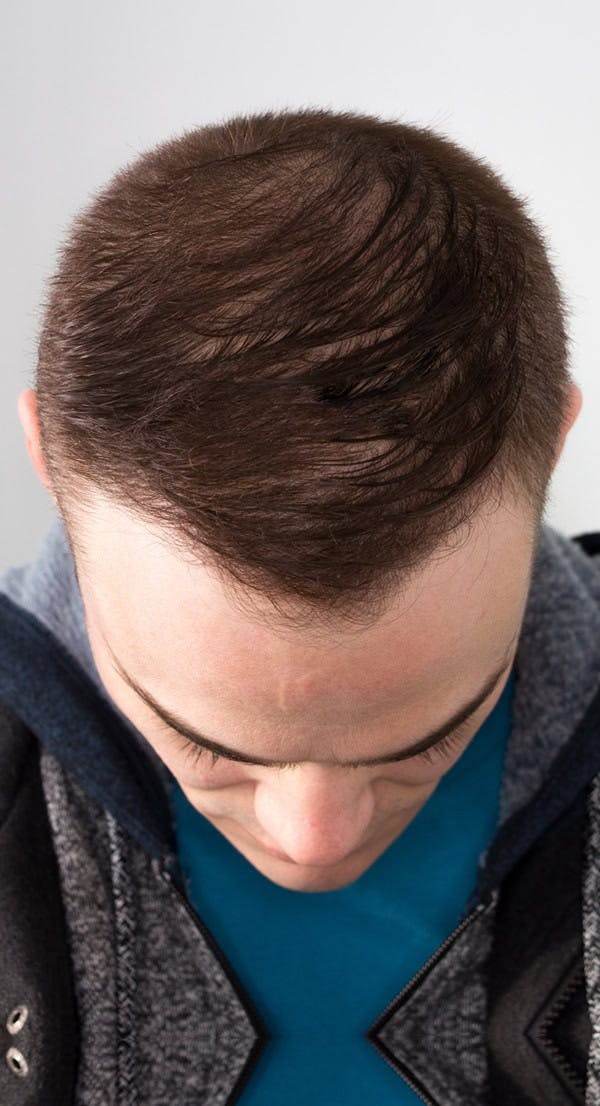
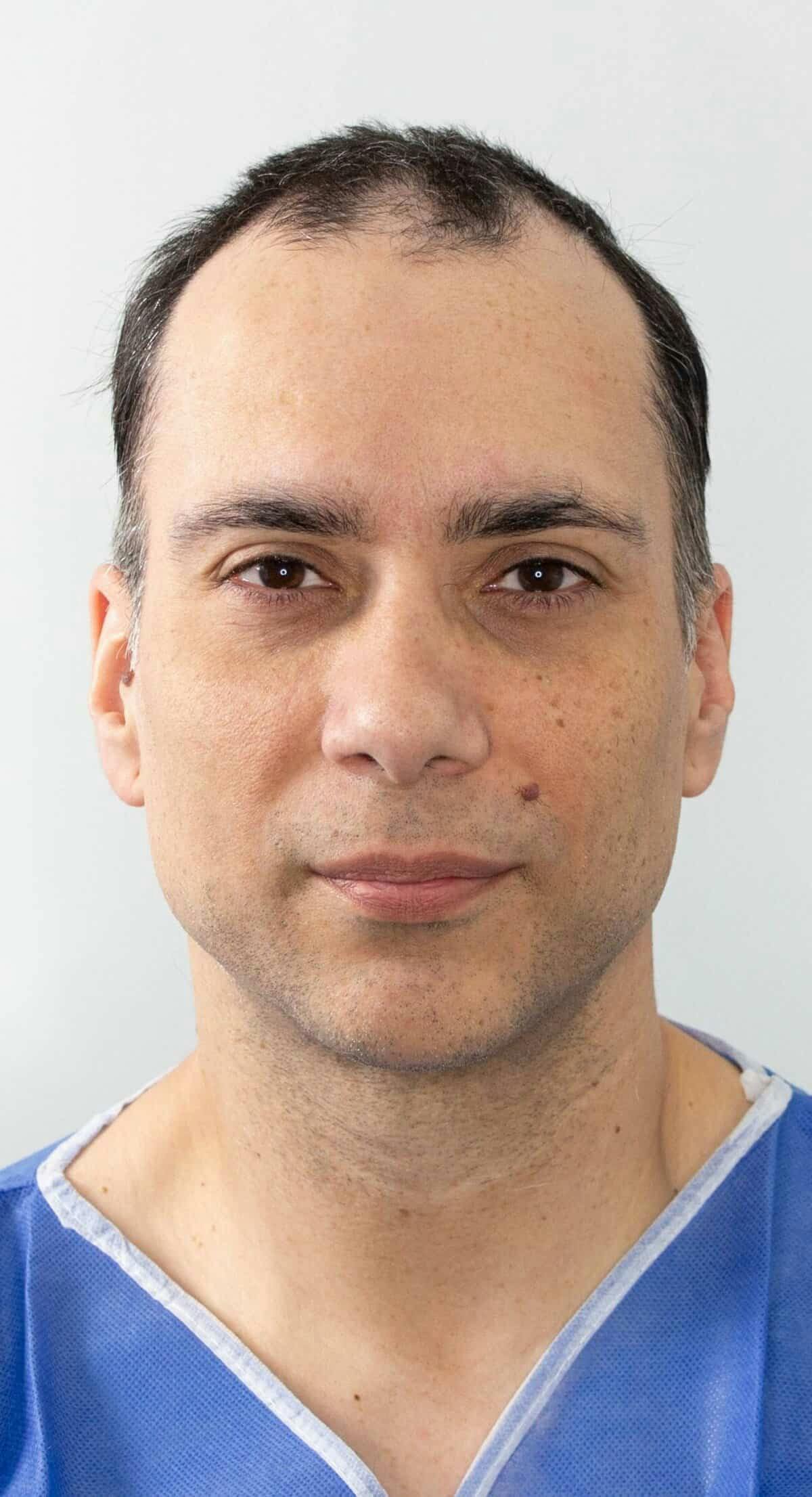
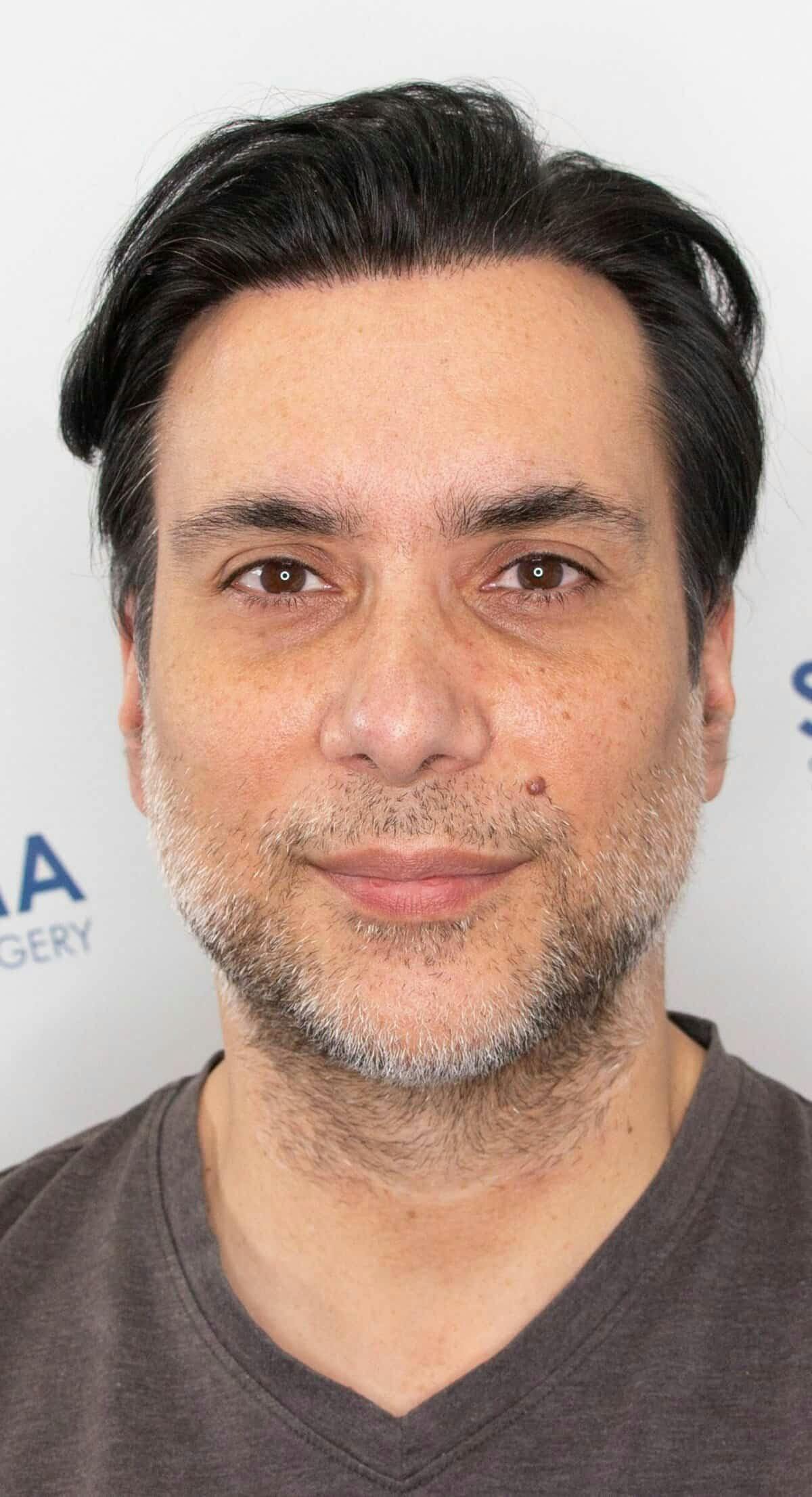
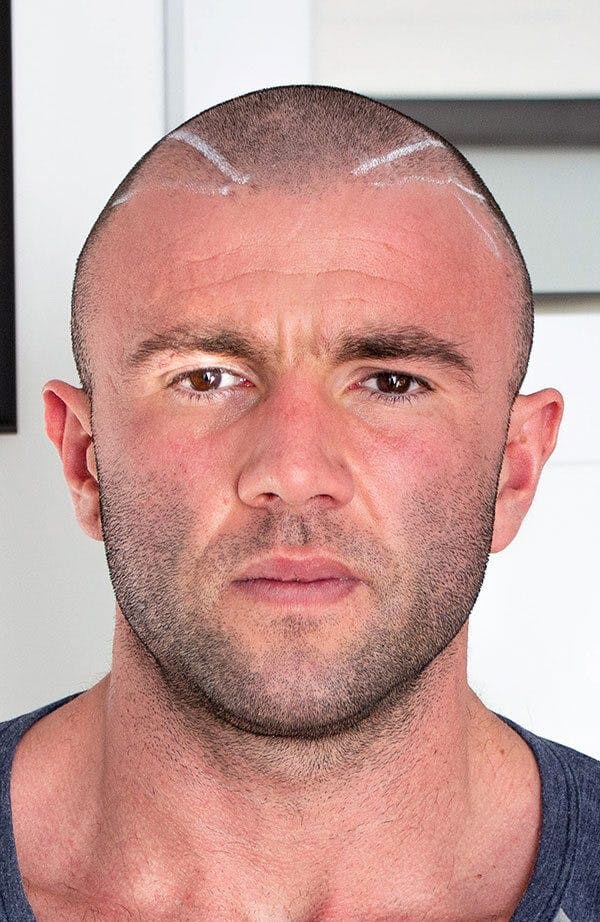
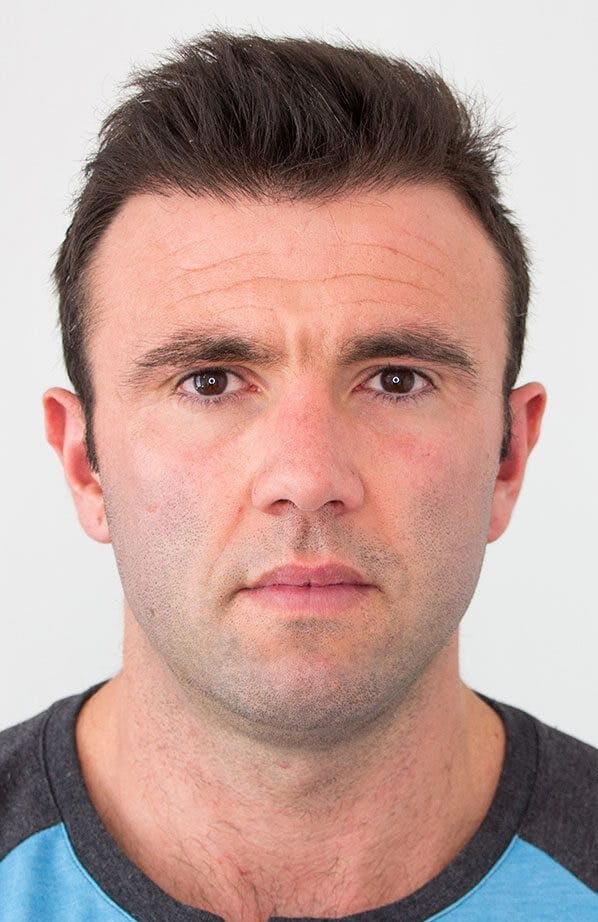
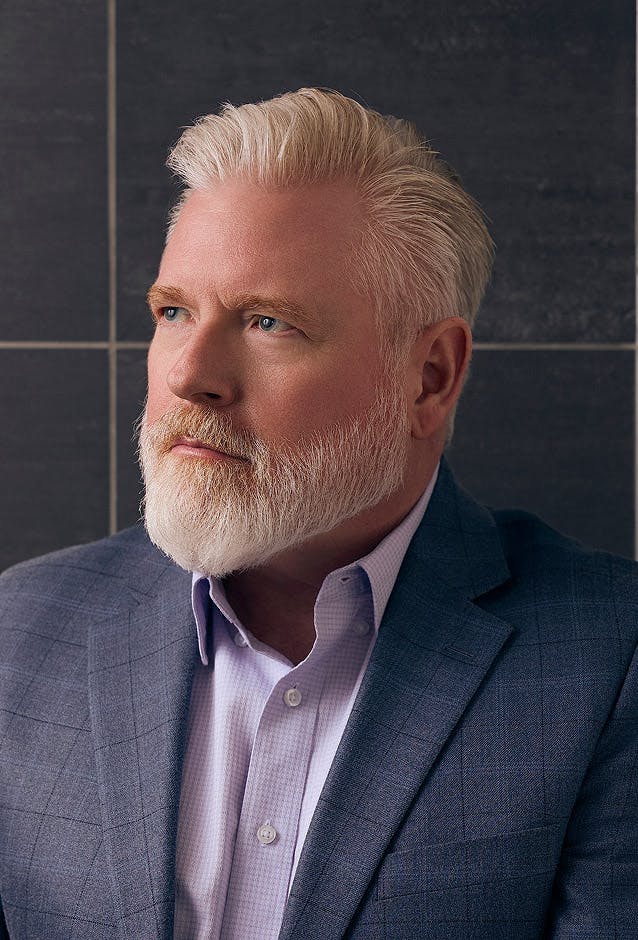
High-density implantation personalized to your donor supply
Types of Hair Loss We Treat
Hair loss presents differently in every patient, and we’ll never take a one-size-fits-all approach to a procedure. Here, we assess and treat a wide range of hair loss conditions.
Physician-Performed Hair Restoration, Start to Finish by Anil Sharma, MD
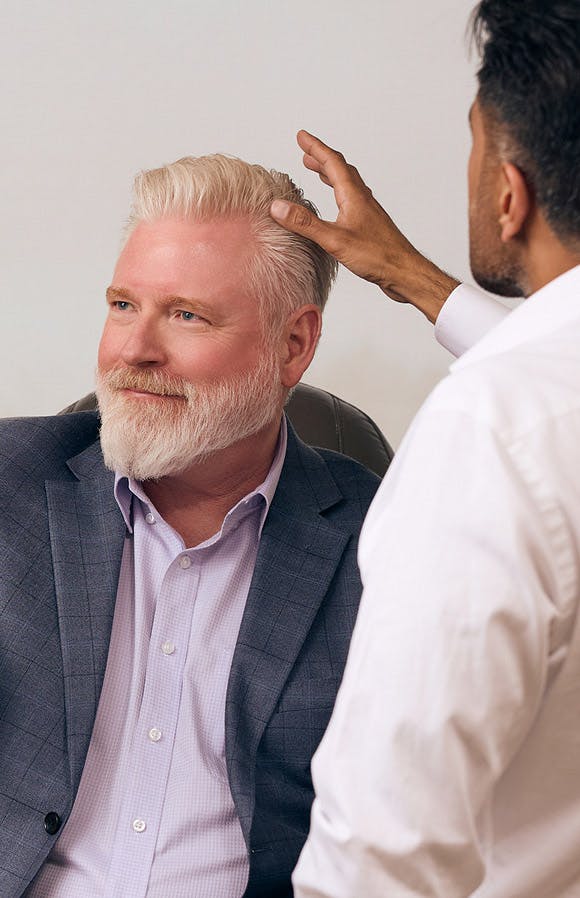
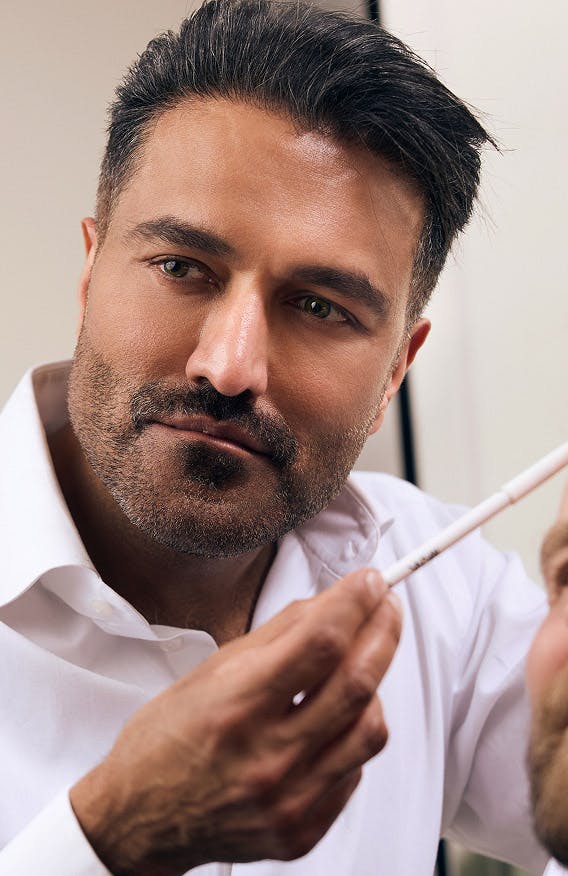
Dr. Anil Sharma is a medical doctor licensed in Alberta, England, and Scotland. He completed his medical training at the University of Glasgow and has performed over 1,000 hair restoration procedures. Dr. Sharma personally performs the critical aspects of each procedure, including recipient site creation, angle determination, and aesthetic design in accordance with ISHRS physician-performed surgery standards. He works alongside our surgical team, which comprises experienced technicians and nurses specialising in hair restoration procedures.
Our consultations focus on determining surgical candidacy through a comprehensive evaluation of your medical history and a physical examination. The assessment includes a scalp examination, donor analysis, and discussion of realistic outcomes based on your individual characteristics. Consultations are primarily for patients considering surgical intervention.
Note: Patients may be advised to consult their primary physician or dermatologist for medical therapy before considering surgery.
Consultation Components
Medical history review and medication assessment
Scalp examination with density measurements
Norwood or Ludwig classification documentation
Donor area evaluation for safe extraction capacity
Discussion of surgical options (FUE vs FUT)
Review of risks, benefits, and alternative treatments
Cost estimation based on graft requirements
Step 2. Assessment & Planning
Hair restoration planning at the Canadian Hair Transplant Centre includes a detailed clinical assessment and surgical planning process designed to evaluate candidacy, donor availability, and long-term treatment strategy.
Note: Surgical candidacy is determined through clinical evaluation. Not all patients are suitable for hair transplant procedures.
Assessment & Planning Components
Digital trichoscopy to evaluate follicular density and miniaturization patterns (assessment fees may apply)
Norwood-Hamilton or Ludwig classification for standardized hair loss documentation
Donor area mapping to determine safe extraction zones and graft availability
Hairline design based on facial proportions using anatomical landmarks
Medical history review to identify contraindications and optimize outcomes
Pre-operative planning session to confirm surgical approach and graft distribution
Step 3. Procedure & Follow-Up
Once the surgical plan is finalised, patients receive detailed pre-operative instructions, undergo their procedure at the Canadian Hair Transplant Centre, and continue with a structured follow-up process focused on healing and long-term growth.
Note: Final results develop gradually over time as transplanted follicles progress through normal growth cycles.
Assessment & Planning Components:
Pre-operative preparation and surgical photography documentation
Follicular unit extraction (FUE) or follicular unit transplantation (FUT) performed based on the treatment plan
Recipient site creation and graft placement based on planned density and distribution
Post-operative instructions for washing, medications, and activity restrictions
Follow-up appointments to monitor healing and graft survival
Ongoing guidance regarding hair growth timelines and expectations
Discussion of future hair loss progression and long-term management strategies
Formerly The Sharma Clinic — New name, same expert care
Frequently Asked QuestionsWhat You Need to Know Before Pursuing Hair Restoration
What is a hair transplant?
A hair transplant is a physician-performed surgical procedure that relocates hormone-resistant follicles from a stable donor zone to areas of thinning or complete hair loss. Transplanted follicles retain their resistance to hormone-induced shedding, producing permanent results in the treated areas.
What is the difference between FUE and FUT?
FUE extracts individual follicular units with small, circular punches, leaving dispersed dot scars suited to shorter hairstyles. FUT removes a linear donor strip, yielding more grafts per session, and leaves a linear scar that sits beneath surrounding hair at normal lengths.
How much does a hair transplant cost?
Pricing depends on graft count and procedure type. Most procedures at our clinic range from $8,000 to $17,000 CAD. We’ll provide you with a transparent, itemised cost breakdown following your clinical assessment, with no obligation to proceed.
How long does the procedure take?
Most procedures take between six and eight hours, depending on graft volume. Larger cases may be scheduled across two sessions to maintain graft quality and integrity. Dr. Sharma personally performs every extraction and incision, which means the procedure time reflects the depth of physician involvement in each case.
When will I see results?
Transplanted hair sheds in the first two to three weeks as a normal part of the growth cycle. Early regrowth typically appears around month three. Approximately half of the final result is visible by month six, with full maturity reached between 12 and 18 months.
Graft Preservation Protocols
At our Edmonton clinic, we apply the same five-step graft preservation protocol on every case, maintaining follicle viability from extraction through to final placement.
01
Immediate placement in chilled ATP-supplemented storage solution
02
Temperature maintenance at 2–4ºC using calibrated cooling systems
03
Microscopic inspection for transection and tissue quality
04
Minimised out-of-body time through efficient workflow
05
Specialized handling to preserve stem cell regions
Hair transplant surgery requires careful evaluation and planning. Schedule a consultation to determine if you are a candidate for FUE or FUT procedures. The assessment includes donor evaluation, recipient area analysis, and discussion of realistic outcomes based on your individual characteristics. For medical therapy options, consult with your primary physician or dermatologist.
Accessibility: If you are vision-impaired or have some other disability covered by the Accessible Canada Act, provincial accessibility or human rights legislation, or a similar law, and you wish to discuss potential accommodations related to using this website, please contact our Accessibility Manager at (780) 476-7970.