The Building Blocks of Every Successful Hair Transplant

Before committing to a hair restoration procedure, it helps to understand what is actually being moved and why it works. At the Canadian Hair Transplant Centre, patient education is built into every consultation at our clinic. The more clearly you understand the anatomy involved, the better equipped you are to evaluate your options and set realistic expectations.

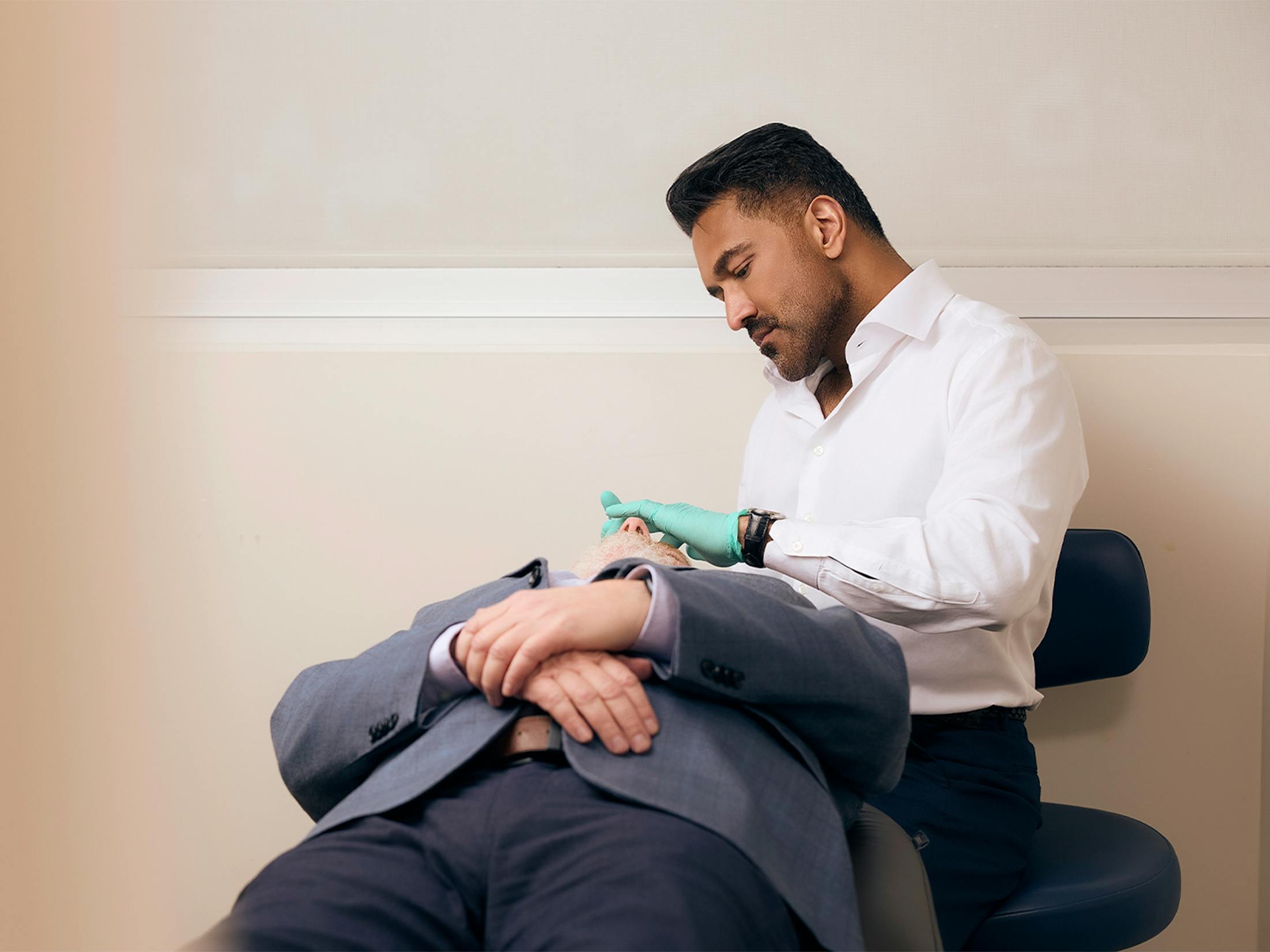
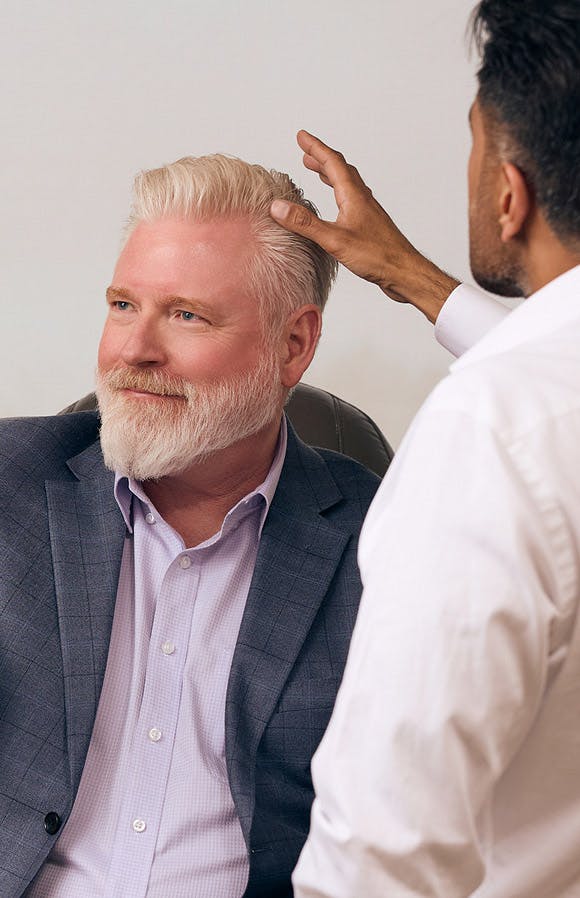
doctor working on a patient

Hair, Follicles, and Grafts What You Need to Know

A hair follicle is the living structure beneath the skin from which a single hair shaft grows. A graft is a naturally occurring cluster of one to four follicles, held together by the surrounding tissue in which they grow. During a hair transplant, Dr. Sharma does not move individual hairs but rather intact follicular units, preserving the tissue architecture that supports long-term survival and growth.


Why Choose the Canadian Hair Transplant Centre?

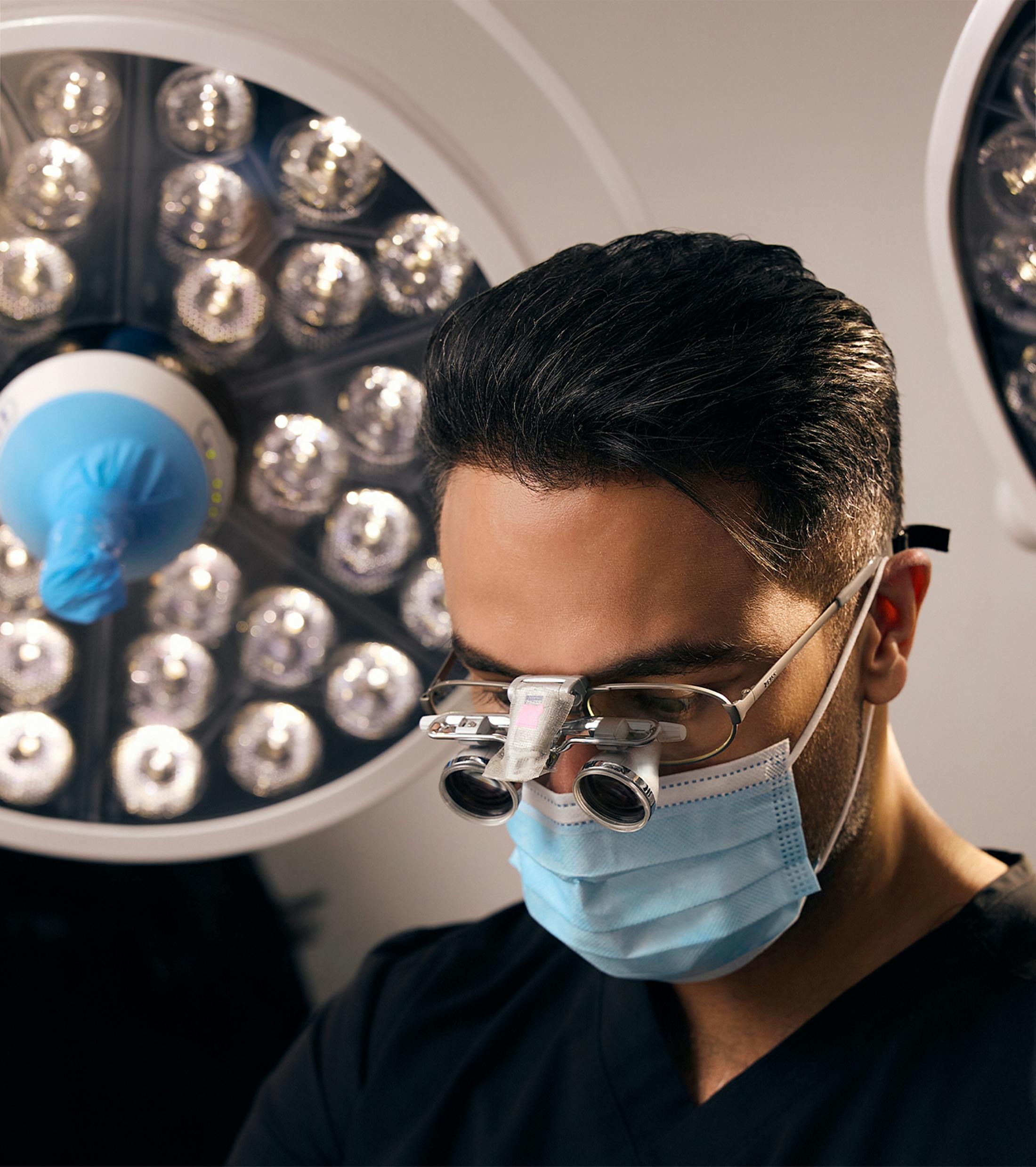
Understanding graft biology is only part of what determines a successful outcome. How those grafts are handled, stored, and placed determines whether they survive and grow. The critical steps of every procedure are performed by Dr. Sharma, including recipient site creation, angle determination and aesthetic design. Implantation is performed by our specialist team. Dr. Sharma earned his MD and MB ChB from the University of Glasgow and is registered with the College of Physicians and Surgeons of Alberta (CPSA). Licensed to practise in Alberta, England, and Scotland, Dr. Sharma has performed over 1,000 successful procedures throughout his 15+ years of hair restoration experience. Our clinic operates as CPSA-approved Non-Hospital Surgical Facilities, with ATP-enhanced graft preservation protocols and stereomicroscopic inspection standards applied to every case.

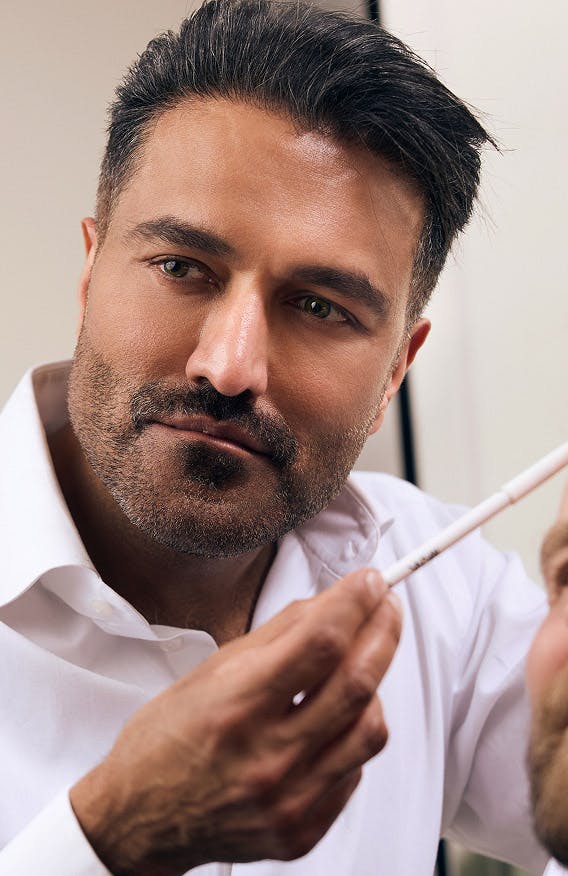
Doctor background

Understanding Your Hair Restoration Procedure

The Donor Area: Where Grafts Come From

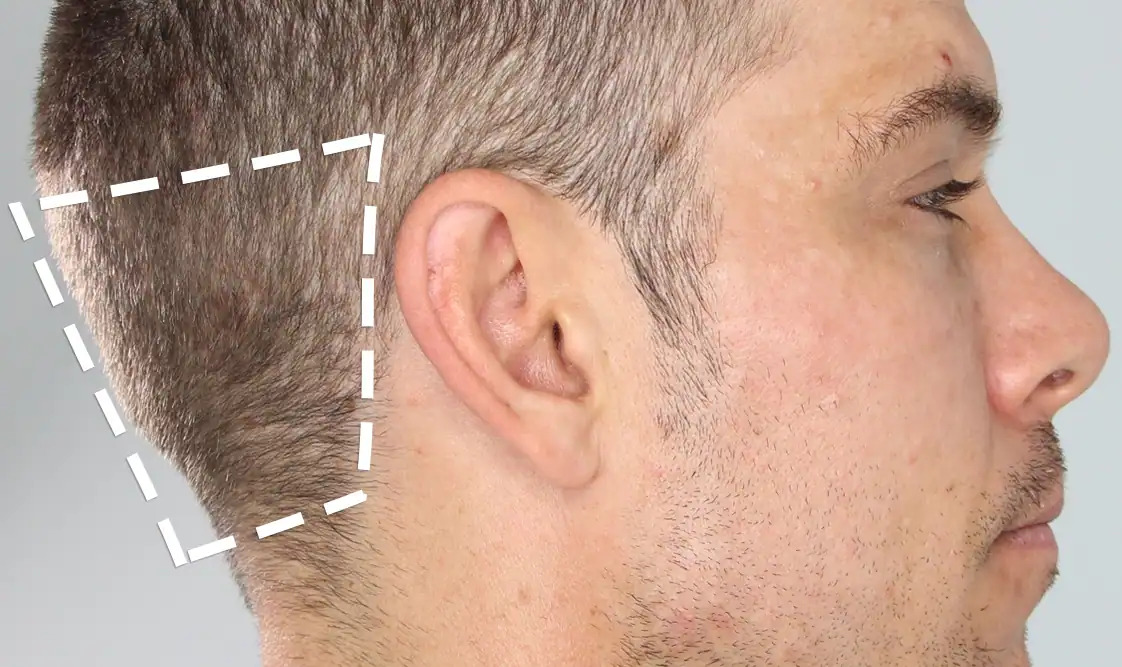
Grafts are harvested from the donor zone, typically located at the back and sides of the scalp, just above the neck. This region is used because the follicles here are genetically programmed to resist DHT, the hormone responsible for androgenetic hair loss. When relocated to thinning or balding areas, these follicles retain their DHT resistance and continue to grow permanently in their new position, and the transplanted hair will closely match the calibre, texture, and growth characteristics of the hair being restored.

How Donor Grafts Are Selected and Extracted

Before extraction begins, Dr. Sharma will use TrichoScan imaging to map your donor density and determine how many grafts can be safely harvested without visibly depleting the donor zone. To protect the appearance of the donor area, grafts will be distributed across a broad surface area rather than concentrated in one location. Dr. Sharma will then apply the following selection criteria to every graft chosen for transplantation:

  • Each graft will be assessed under surgical magnification for intact root and bulge structure, confirming the presence of the regenerative stem cells essential for hair growth
  • Follicular units will be classified by hair count, with single-hair grafts reserved for hairline placement and multi-hair grafts directed toward density zones
  • Grafts with signs of mechanical damage or incomplete structure will be excluded from implantation
  • Extraction will be performed using 0.6-0.7 mm manual punches, without the use of motorised or robotic devices, to minimise trauma and preserve graft integrity

Graft Preservation Between Extraction and Placement

Once extracted, every graft enters a critical window during which its integrity depends entirely on how it’s stored. Dr. Sharma uses a first-out, first-in system to reduce the total time each follicle spends outside the body. All approved grafts will be stored in the following conditions until they are ready for placement:

  • HypoThermosol and ATP solution at 2-4℃, which reduces the metabolic demands of the follicle during out-of-body storage by approximately 50% compared to room temperature
  • Continuous pH monitoring between 7.0 and 7.4 to maintain the correct cellular environment
  • Osmolality is maintained between 280 and 320 mOsm per kilogram to prevent cellular swelling or dehydration
  • Stereomicroscopic inspection of every graft before it is approved for implantation

Recipient Site Creation and Blade Selection

The channel created in the recipient area must match the dimensions of the graft being placed. If the channel is too wide, the graft will sit loosely and may shift during healing, but if it’s too narrow, pressure can damage the follicle during insertion. Dr. Sharma will perform test incisions before starting implantation to confirm the correct blade size and depth for your individual grafts. Blade selection considers the following variables for every patient at our clinic:

  • Graft thickness and the number of hairs contained in each follicular unit
  • Hair shaft diameter and overall calibre of the individual graft
  • Scalp tissue firmness in the recipient zone
  • The natural angle and directional flow of the surrounding hair

How to Disguise Your Hair Transplant

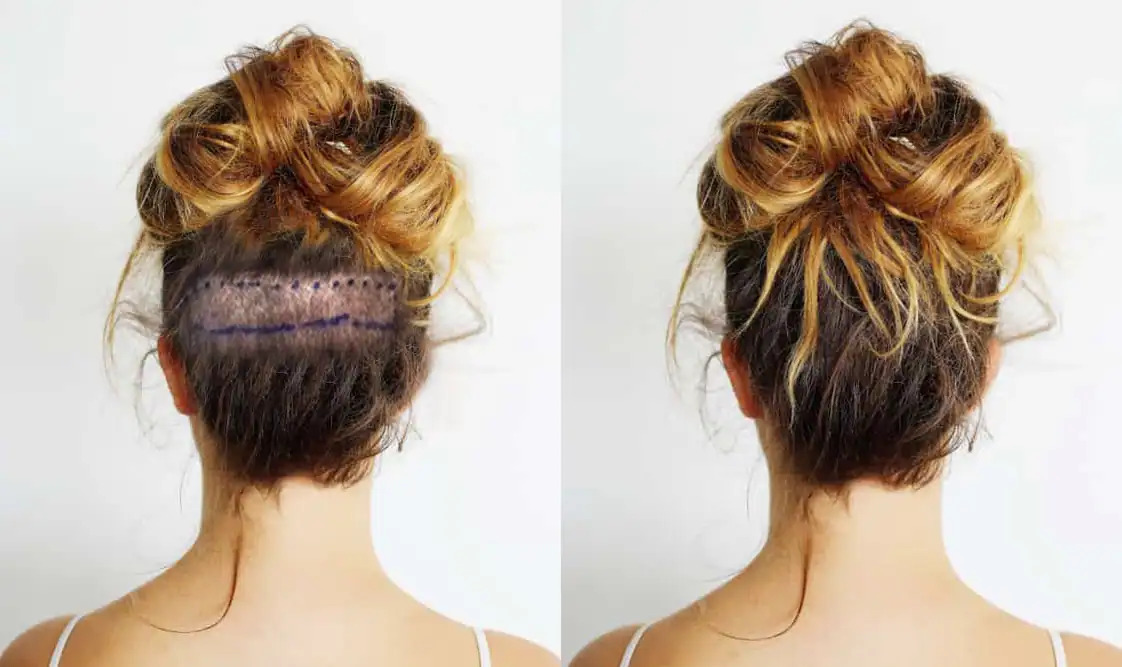
Female F.U.E. Concealment

Long hair can assist to hide the donor site. Some women tie their hair into a bun to further conceal the area.

Male F.U.E. Concealment

Even with short hair you can disguise the donor site. This patient is one-month post F.U.E. transplant of almost 2,000 grafts.

Schedule A Consultation

Contact us media

Our Commitment to Patient Education

Dr. Sharma believes that a well-informed patient makes better decisions, asks better questions, and has more realistic expectations about what their procedure can achieve. At the Canadian Hair Transplant Centre, procedure reviews are not a formality at the end of a consultation. Here, patient education the foundation of every relationship at our clinic. Every surgical recommendation Dr. Sharma makes is explained in plain terms, with the clinical reasoning made clear, so that you can evaluate your options and move forward with confidence rather than assumptions. He regularly encourages patients to seek second options and speak with their primary care physicians to ensure they’re secure in their decision. 

man smiling

Hair, Follicles & Grafts Frequently Asked Questions

What’s the difference between a graft and a follicular unit?

A follicular unit is a naturally occurring cluster of one to four hairs that share a common root structure beneath the skin. A graft is the complete unit of tissue harvested for transplantation, including the follicular unit and the surrounding supportive tissue that maintains its viability during the procedure.

Do extracted grafts grow back in the donor area?

No. Once a follicular unit is removed from the donor area, it does not regenerate at the extraction site. Dr. Sharma intentionally distributes extractions across a broad area rather than concentrating them in one zone to protect your long-term donor supply.

How does DHT resistance make donor grafts permanent after transplantation?

Follicles in the back and sides of the scalp carry a genetic programme that makes them resistant to the effects of dihydrotestosterone (DHT). That resistance is encoded in the follicle itself, not in its location. When a DHT-resistant follicle is relocated to the top or front of the scalp, it retains that resistance and continues to grow permanently, regardless of the androgenetic hair loss affecting the surrounding native hair.

How many hairs does a single graft typically contain?

Grafts vary in composition. Single-hair grafts contain a single hair shaft and are used primarily along the hairline to create a natural leading edge. Double- and triple-hair grafts are directed to areas that require density behind the hairline. Dr. Sharma plans the distribution of graft types when designing your procedure, taking into account your specific restoration goals and available donor supply.

Schedule Your Surgical Consultation

Hair transplant surgery requires careful evaluation and planning. Schedule a consultation to determine if you are a candidate for FUE or FUT procedures. The assessment includes donor evaluation, recipient area analysis, and discussion of realistic outcomes based on your individual characteristics. For medical therapy options, consult with your primary physician or dermatologist.

Contact us media Contact us media
Accessibility: If you are vision-impaired or have some other disability covered by the Accessible Canada Act, provincial accessibility or human rights legislation, or a similar law, and you wish to discuss potential accommodations related to using this website, please contact our Accessibility Manager at (780) 476-7970.
Book Consultation