The Right Procedure for the Right Candidate

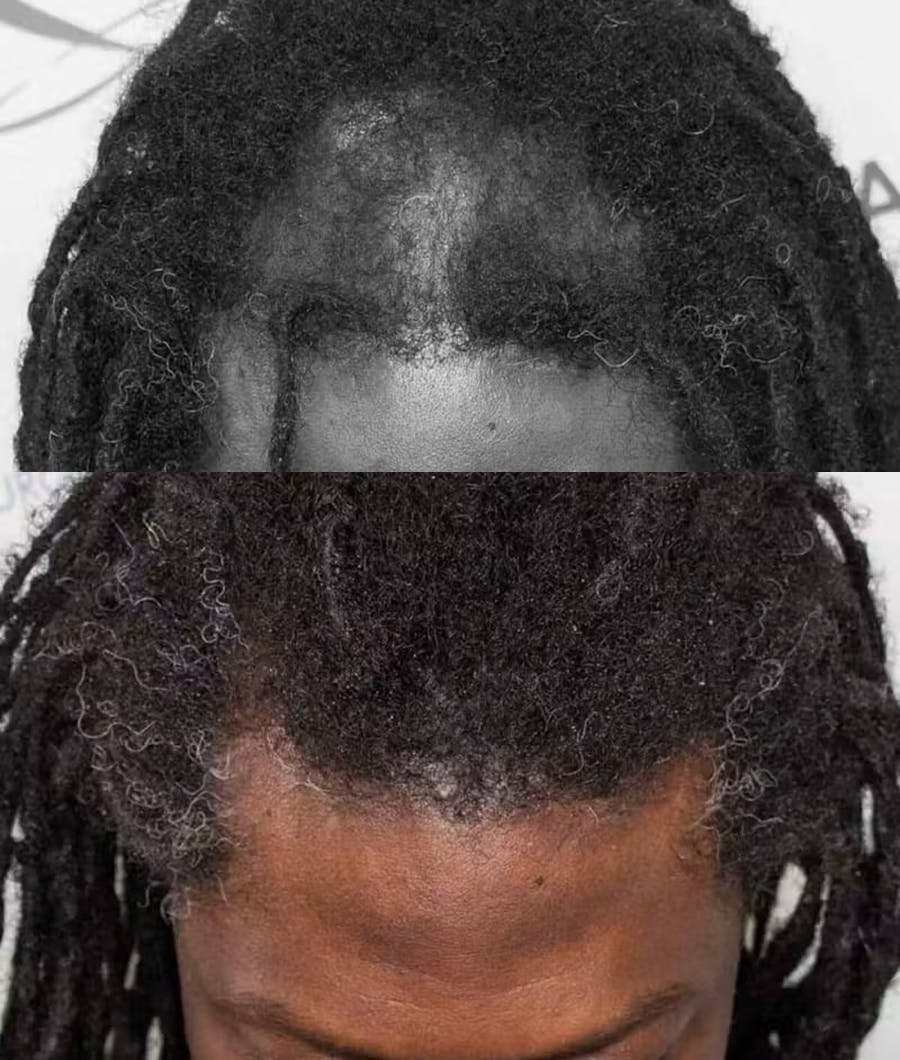
While FUT and FUE are both highly effective, FUT is often chosen when patients want to keep their surrounding hair long without shaving, when hair is curly or coarse and could be damaged by punch tools, or when the donor area is very limited, and grafts need extra care under a microscope. It's typically most used with female patients, who can easily hide the incision, and with African American patients, due to their notably curly hair. Candidacy is confirmed through a one-on-one consultation at the Canadian Hair Transplant Centre.

What Are FUT Hair Transplants?

Follicular Unit Transplantation (FUT) removes a linear strip of donor scalp, which is then dissected under stereomicroscopic magnification into individual follicular units and implanted into areas of thinning or baldness. FUT is ideal for patients with curly or coiled hair, in whom individual punch extraction carries a higher risk of transection due to follicle curvature.

Outside of hair type, FUT is the preferred approach for patients with excess scalp laxity, those who prefer longer styles that conceal a linear donor scar, and patients whose follicles sit at angles that make individual extraction technically demanding. In these cases, FUT consistently delivers a higher graft yield with a lower risk of follicle damage than FUE.
What Is An FUT Hair Transplant? Brandons 6 Month FUT Results

An F.U.T. (follicular unit transplantation) hair transplant is one method of harvesting your hair grafts, from your donor area, and implanting them into an area where you want more hair growth and more density. In this video. Brandon also shows off his 6 month FUT results. Full results take at least 12 months to fully show, but you get some results 6 months in.
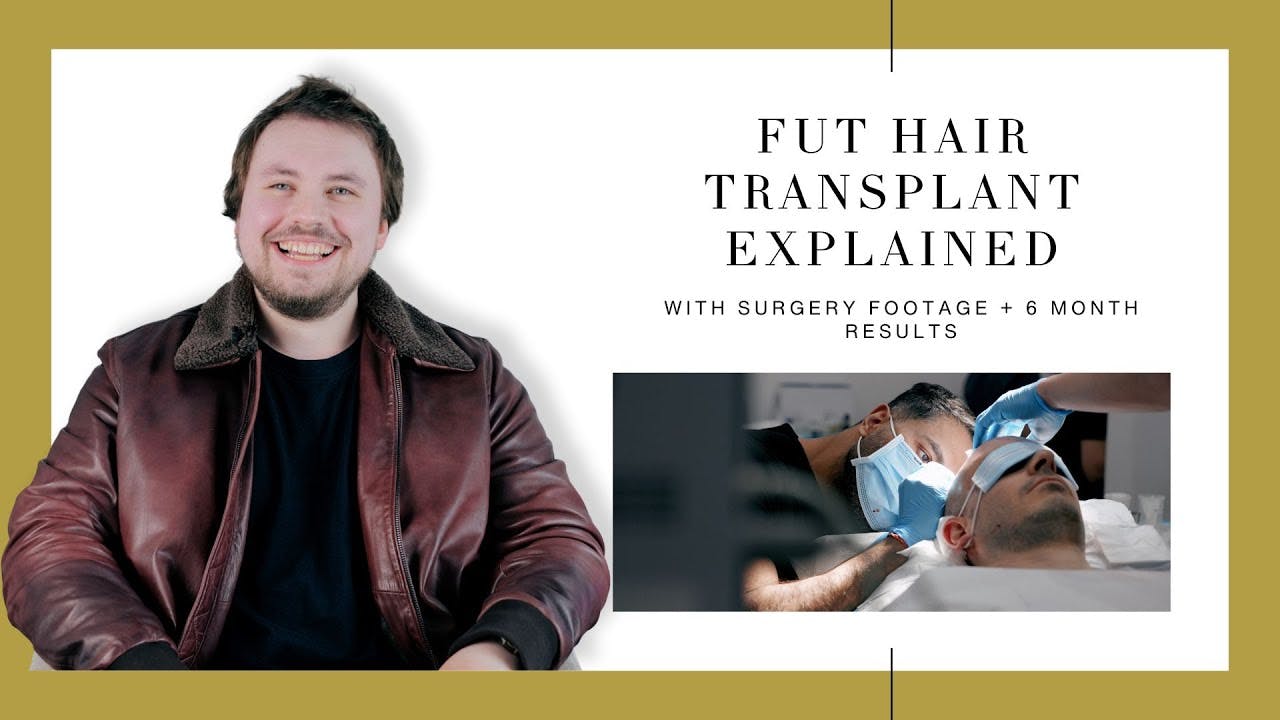
video thumbnail
Doctor media

Why Choose the Canadian Hair Transplant Centre?

At the Canadian Hair Transplant Centre, your care will be physician-led from start to finish. Dr. Sharma holds an MD and MB ChB from the University of Glasgow, is registered with the College of Physicians and Surgeons of Alberta (CPSA), and is an active member of the International Society of Hair Restoration Surgery (ISHRS). With over 15 years of specialized experience across North America and Europe, he leverages the best of each region’s approach to develop his unique surgical processes. Here, we deliver a standard of physician involvement that most practices do not offer. Dr. Sharma personally performs every donor strip excision and closure, every recipient site incision, and every placement decision. He works alongside a team of highly trained technicians and nurses to complete your care with meticulous precision and attention to detail.

Doctor background
“Dr. Sharma is outstanding—truly the best in his field.”
–A.B.
“One year in, and I couldn’t be happier with the results that Dr. Sharma and his team have given me.”
–N.X.
“I'm just under 1 year post surgery and I'm so happy with my results so far.”
–C.B.
“I recently had a 4000 graft hair transplant surgery over two days, and it was an incredible experience from start to finish.”
–F.K.
“If you're considering this procedure, put Dr. Sharma and his team on your short list of clinics.”
–R.D.

What to Expect From Your FUT Hair Transplant in Edmonton

Strip Excision and Donor Closure

To begin your surgery, Dr. Sharma will excise a narrow strip of scalp from the occipital zone, where follicles are genetically stable.

Your strip dimensions will be customised based on the required graft count and your individual scalp laxity. 

Once the strip has been harvested, Dr. Sharma will close the donor area using a layered suturing technique, with absorbable sutures placed in deeper tissue layers to minimise wound tension and limit scar widening over time.

Graft Dissection and Inspection

Once excised, your donor strip will be immediately placed in a chilled HypoThermosol and ATP solution to protect the graft's health during transplantation. Then, Dr. Sharma will dissect under stereomicroscopes to isolate individual follicular units, preserving the surrounding tissue. Each graft will be inspected for structural integrity, with particular attention to the bulge region, which contains the regenerative stem cells essential for hair growth. Dr. Sharma uses the following strategy during graft selection:

  • Single-hair grafts are reserved for natural hairline placement
  • Double and multi-hair grafts are directed to the mid-scalp and crown for density
  • Damaged or incomplete grafts are excluded from implantation
  • All viable grafts are stored at 2-4℃ to maintain metabolic activity and increase survival

Recipient Site Creation

During surgery, Dr. Sharma personally creates all recipient sites using either custom blades or fine needles sized to match each individual graft. Before implanting the follicles, he’ll make a series of test incisions to confirm the appropriate blade size and incision depth, using epinephrine to firm the scalp tissue and reduce bleeding.

All sites will be angled to match the natural direction and curvature of surrounding hair, with priority zones addressed in a sequence that optimises your cosmetic outcome.

Graft Placement

Dr. Sharma uses a first-out, first-in system during implantation to minimise the time each follicle spends outside the body. Follicle placement will follow the angles established during site creation, with hair curl and direction matched to your native growth patterns for a more cohesive look. The following distribution principles guide every FUT case:

  • Frontal hairline receives single-hair grafts for a natural leading edge
  • Mid-scalp zones receive multi-hair grafts to build visible density
  • Crown planning accounts for the potential progression of future loss
  • Donor conservation is factored into every graft allocation decision

Schedule A Consultation

Patient-Centred Recovery 

Recovery after a FUT hair transplant in Edmonton typically involves mild tightness and loss of sensation at the back of the scalp, with minor scabbing, swelling, and tenderness at the recipient area. Side effects, including crusting, should resolve within two weeks, and we’ll provide you with a hydration spray to aid in early healing. Most patients resume normal activities, including social gatherings, work, and light movement, within a few days, but those with labour-intensive careers should wait a week or longer before returning to work. You’ll need to avoid strenuous activities for at least one week to prevent sweating and scalp irritation.

Your Post-Op Process

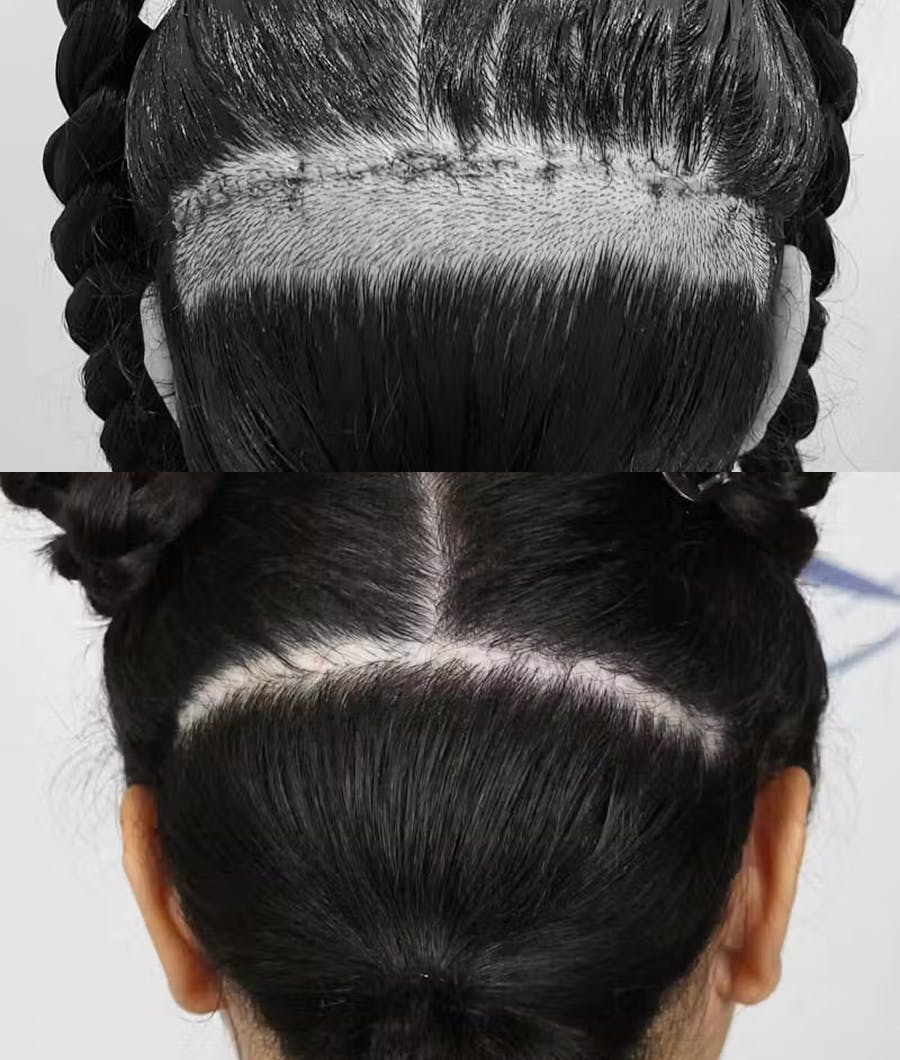
After your FUT hair transplant, we’ll share a customised recovery plan that addresses the specific healing requirements of your linear donor site. Because FUT involves a sutured incision rather than dispersed extraction points, early management of the donor area is key to the quality of your long-term scar. Your plan may include guidance on the following:

  • Keeping the donor incision dry and undisturbed for the first 48-72 hours
  • Cleaning protocols for the sutured area 
  • Activity limitations to avoid tension, stretching, or pressure
  • Sun protection and exposure protocols
  • Side effects to monitor, including signs of wound separation or abnormal scar thickening

Your sutures will be removed within 10-14 days at either our Calgary or Edmonton clinic. Once your scar has matured, the surrounding hair will provide natural concealment, typically at a clipper guard length of four or longer. If your scar remains visible after full maturation, Dr. Sharma may recommend follicular transplantation into the scar or surgical revision to camouflage the incision.

Testimonials

My biggest insecurity is now gone!

Over a year in and I am so pleased with how my hair came in. My biggest insecurity is now gone! Dr. Sharma has such a great and caring team!

Destiny Chase 5 out of 5 stars

I would highly recommend Dr Sharma.

The staff and the Sharma Clinic is always very welcoming and professional. Dr Sharma takes the time to listen to his patients and is very thorough with his procedures. The staff...

The staff and the Sharma Clinic is always very welcoming and professional. Dr Sharma takes the time to listen to his patients and is very thorough with his procedures. The staff always does a follow up call to make sure things have gone smoothly. I would highly recommend Dr Sharma.

Danusia Gale 5 out of 5 stars

The entire staff really care about your success.

The entire staff really care about your success. Dr Sharma is a fantastic surgeon with countless amazing transplant. Do not 2nd guess Call and book a appointment

Daryl Heisler 5 out of 5 stars

By far the best hair transplant doctor in Alberta, highly recommend.

By far the best hair transplant doctor in Alberta, highly recommend. The staff are top notch and very helpful.

Drew 5 out of 5 stars

Dr Sharma and his team were genuine

Dr Sharma and his team were genuine, professional and very courteous. If you’re thinking about getting any procedure done there I highly recommend it. It was the best money my p...

Dr Sharma and his team were genuine, professional and very courteous. If you’re thinking about getting any procedure done there I highly recommend it. It was the best money my partner ever spent.

Ryanne Dufour 5 out of 5 stars

Life changing. 10/10!!

Dr. Sharma and his staff were incredible from start to finish and the results exceeded expectations. Life changing. 10/10!!

Sean Zuk 5 out of 5 stars

My hairline looks better than it did at 18 years old and I couldn't be happier.

Got a FUE transplant with Dr. Sharma about 6 months ago and would honestly recommend him to anyone. Very thorough and helpful throughout the entire process, his team was on top ...

Got a FUE transplant with Dr. Sharma about 6 months ago and would honestly recommend him to anyone. Very thorough and helpful throughout the entire process, his team was on top of everything. Most importantly though, they simply did an incredible job on my transplant. My hairline looks better than it did at 18 years old and I couldn't be happier.

Colton Girard 5 out of 5 stars
Reviews media

Natural-Looking, Transformative Results

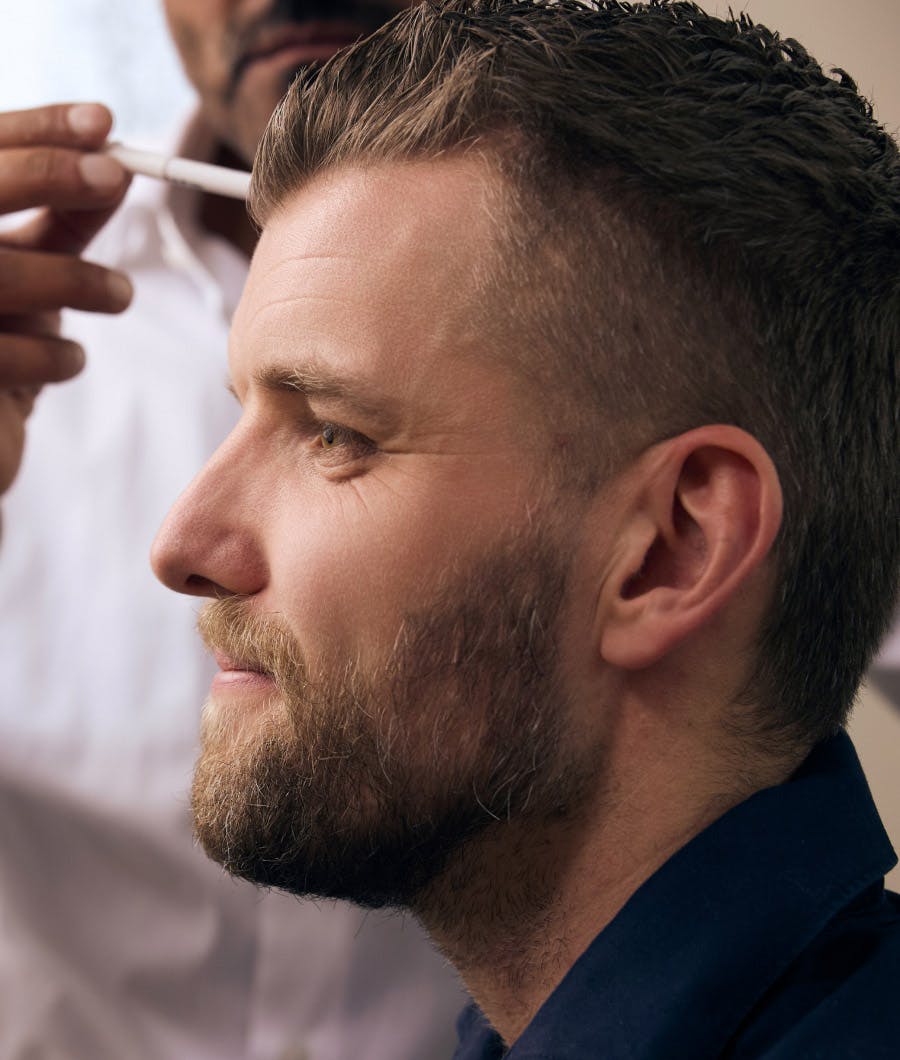
Most patients begin to see results from their FUT hair transplant in Edmonton within three months, though initial growth may be patchy and uneven. Shedding is normal within the first few weeks, and the follicles will remain in the skin to restart a healthy growth cycle. Full density and hair texture reach maturity between 12 and 18 months post-procedure, and sticking to our aftercare guidelines can help enhance your final result.
A man's side profile

FUT Hair Transplant Frequently Asked Questions

What is the scar like after a FUT procedure?

FUT leaves behind a linear scar at the donor site and small, dot-like scars at the recipient area. Dr. Sharma uses layered suturing and trichophytic closure techniques to produce a fine, low-tension scar that sits within the occipital region and can be concealed by surrounding hair at normal lengths.

How does FUT differ from FUE in terms of candidacy?

FUT is better suited to patients who require a large graft count in a single session, have good scalp laxity, and are comfortable wearing their hair at a length that conceals a linear donor scar. FUE, or follicular unit extraction, is more appropriate for patients who prefer shorter hairstyles post-recovery. During your initial consultation, Dr. Sharma will walk you through your options and make an informed, expert recommendation based on your scalp data and imaging.

Can FUT and FUE be combined?

Yes. In some cases, combining FUT and FUE across staged sessions allows patients to maximise their total lifetime graft availability by drawing on both the strip zone and the surrounding donor area. Dr. Sharma will assess whether a combined approach is appropriate during your initial consultation.

Will I need to shave my head for a FUT procedure?

Not necessarily. FUT can be performed without shaving the donor area in most cases, making it a suitable option for patients who prefer to maintain their current hairstyle during recovery. Preparation of the recipient area will be discussed individually during your consultation.
Schedule Your Surgical Consultation

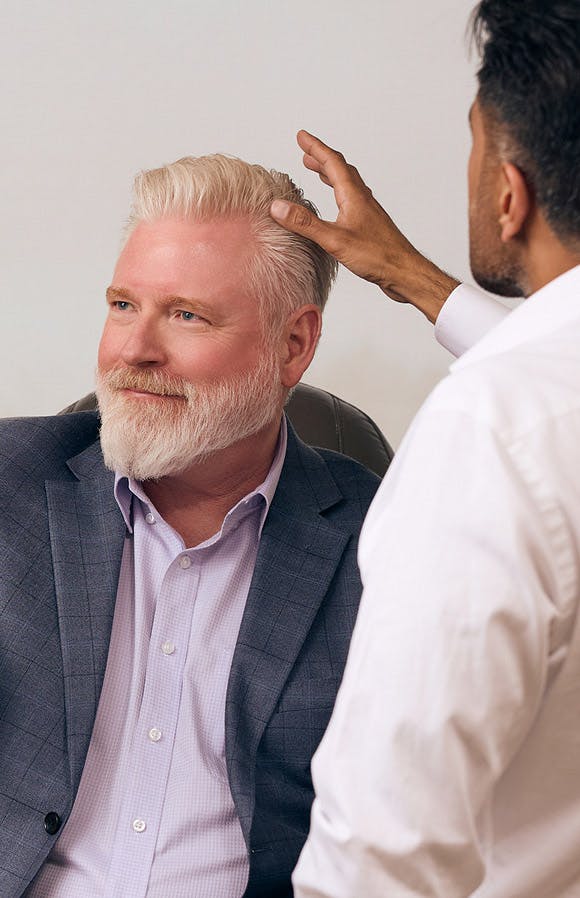
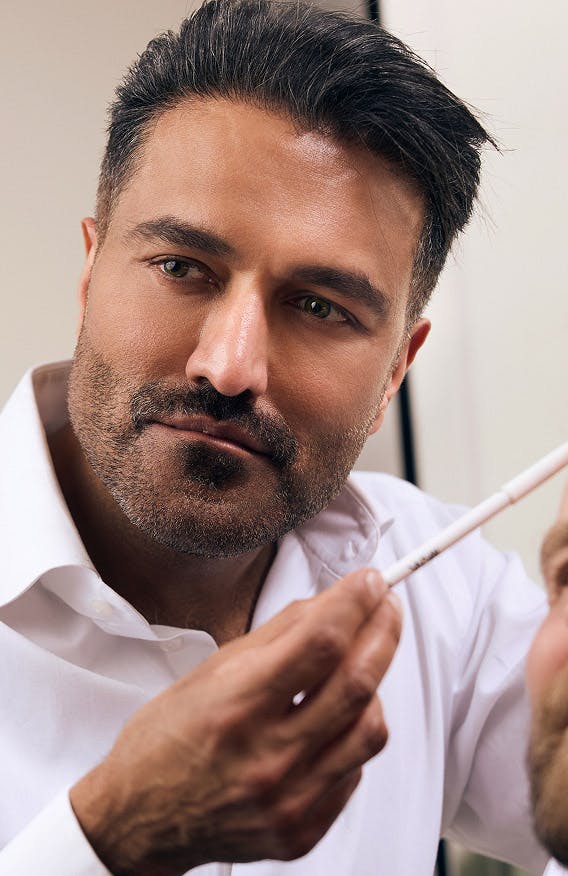
Hair transplant surgery requires careful evaluation and planning. Schedule a consultation to determine if you are a candidate for FUE or FUT procedures. The assessment includes donor evaluation, recipient area analysis, and discussion of realistic outcomes based on your individual characteristics. For medical therapy options, consult with your primary physician or dermatologist.

Contact us media Contact us media
Accessibility: If you are vision-impaired or have some other disability covered by the Accessible Canada Act, provincial accessibility or human rights legislation, or a similar law, and you wish to discuss potential accommodations related to using this website, please contact our Accessibility Manager at (780) 476-7970.
Book Consultation