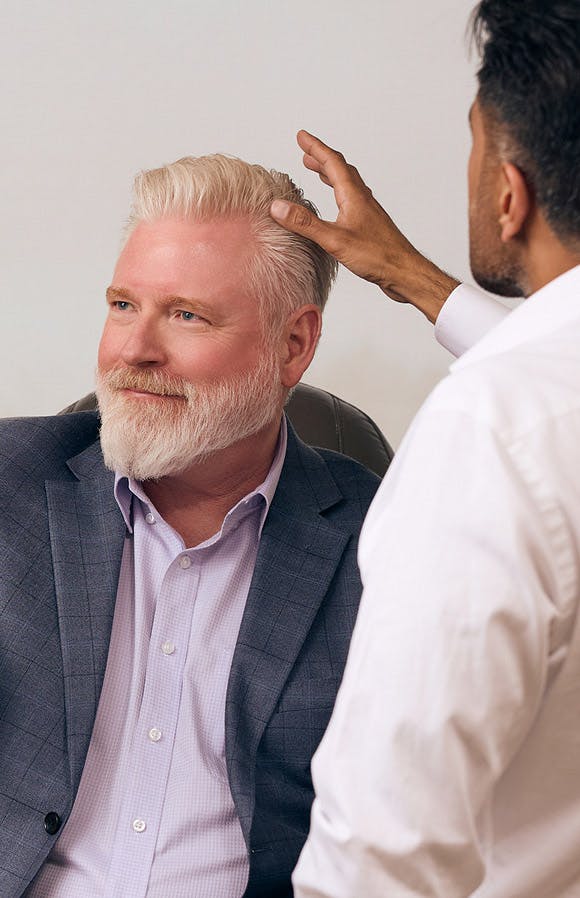
Where Artistry and Precision Meet 

Patchy growth, scarring, or congenital absence in the beard zone affects more men than most realise. Our founder, Dr. Anil Sharma, approaches beard restoration as both a surgical and aesthetic challenge, combining microsurgical techniques with a detailed understanding of facial anatomy to achieve a harmonious, organic look.

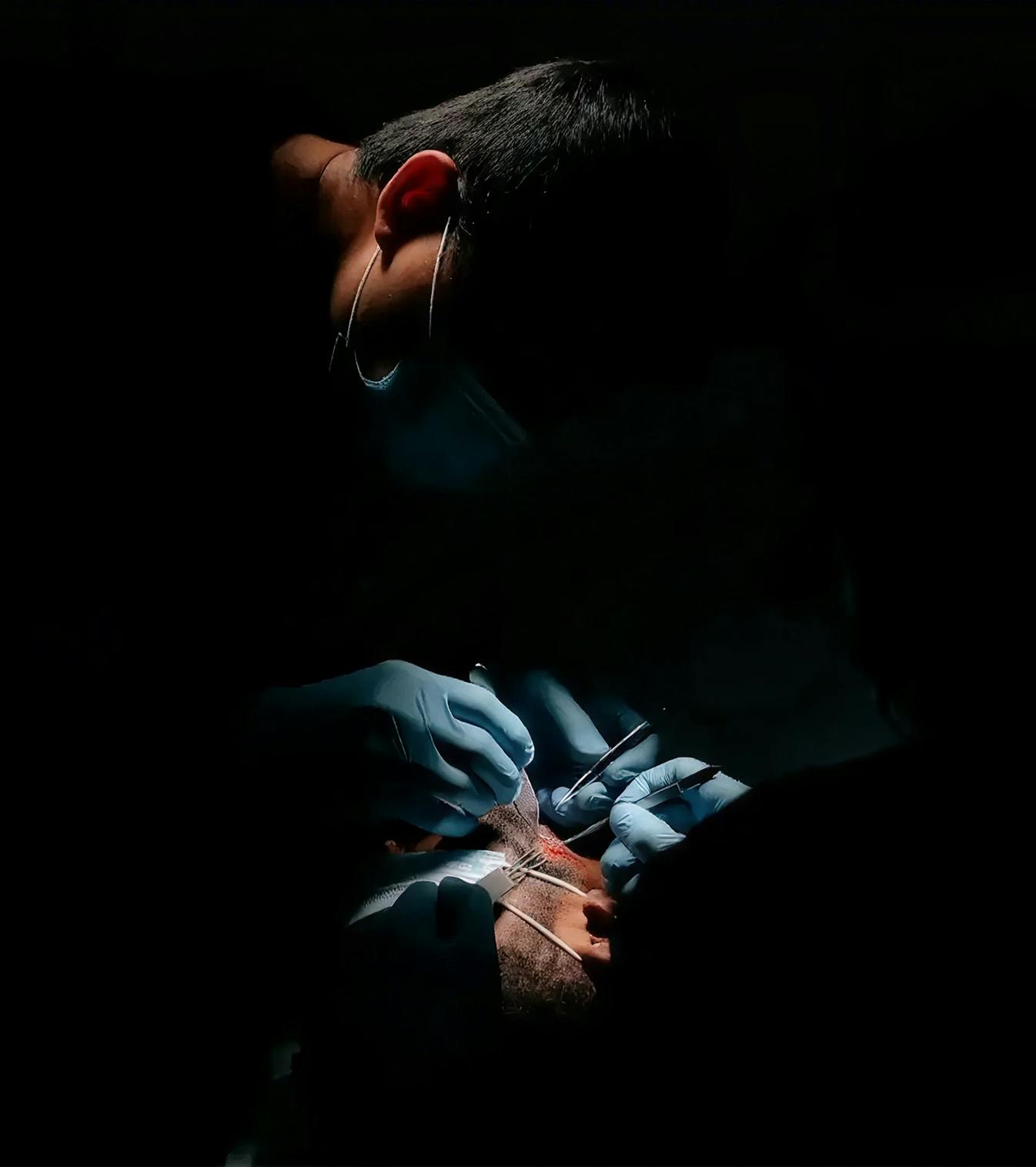
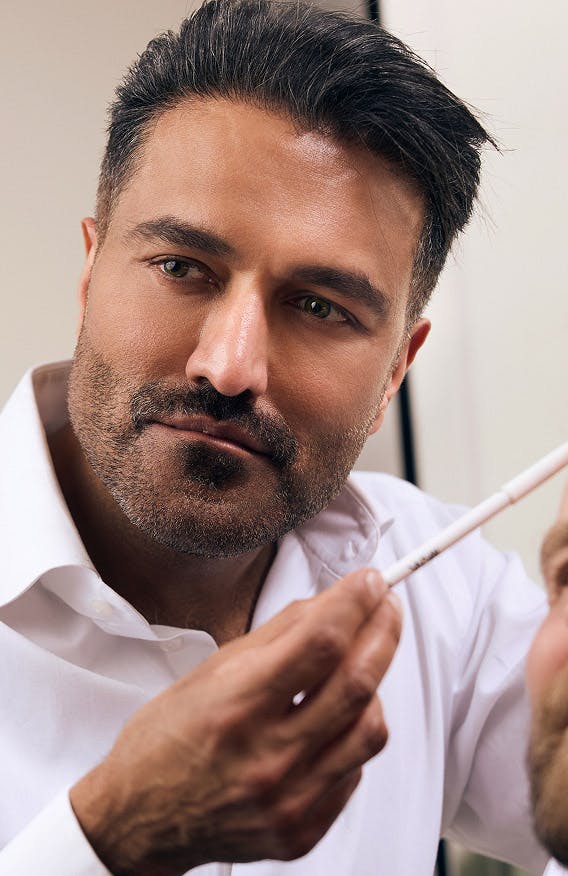
Dr. Sharma performing a beard transplant

What Are Beard Transplants?

A beard transplant is a surgical procedure in which DHT-resistant follicles are harvested from the scalp and individually placed into areas of the face where growth is absent, sparse, or uneven. Because only single and double follicular units are used, the result integrates naturally with existing facial hair without a pluggy or artificial appearance. Transplanted follicles grow permanently and can be shaved, trimmed, and styled exactly like native beard hair, ensuring a cohesive look.
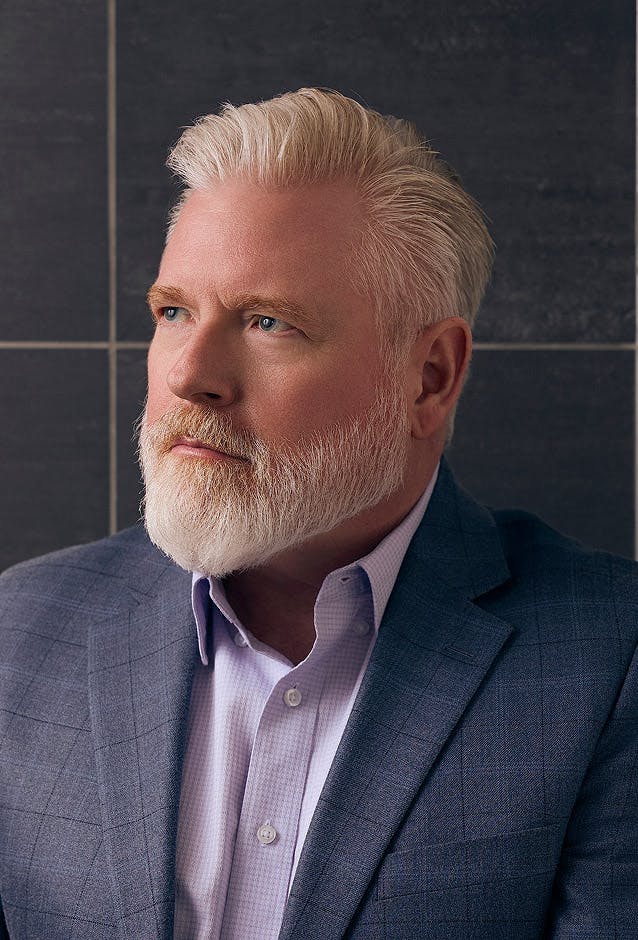

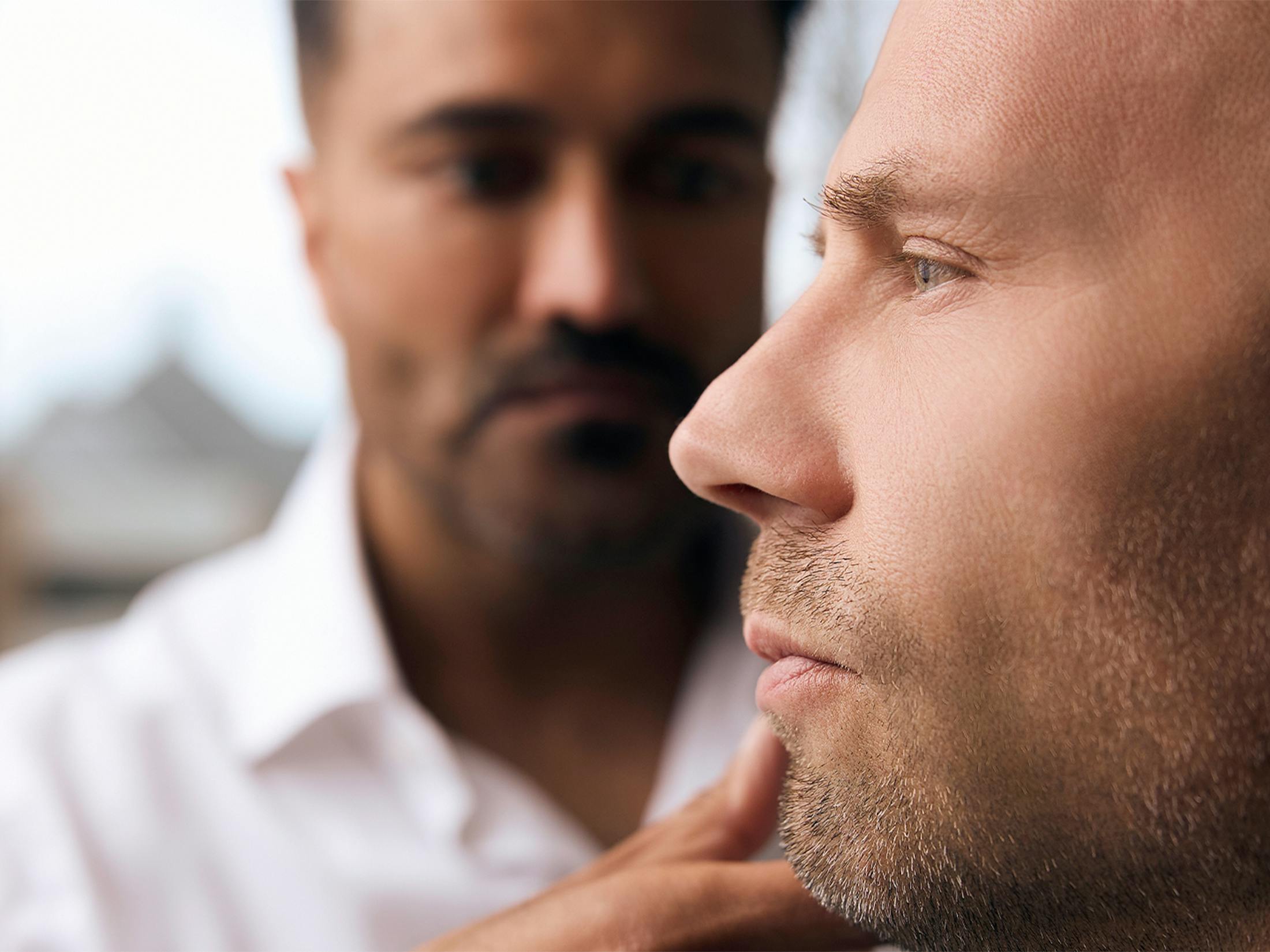
woman with hair and beard

Why Choose the Canadian Hair Transplant Centre?

The critical steps of every procedure are performed by Dr. Sharma, including recipient site creation, angle determination and aesthetic design. Implantation is performed by our specialist team. Dr. Sharma's facial hair restoration approach draws on over 15 years of experience, a thorough grounding in facial anatomy, and training across some of Europe's most competitive clinical environments. Your procedure will be performed at our CPSA-approved facility using advanced TrichoScan planning technology. Dr. Sharma holds an MD and MB ChB from the University of Glasgow, is registered with the College of Physicians and Surgeons of Alberta (CPSA), and is an active member of the International Society of Hair Restoration Surgery (ISHRS). Licensed to practise in Alberta, England, and Scotland, Dr. Sharma has performed more than 1,000 successful procedures, each with tracked outcomes and no technician involvement at the surgical level.

Doctor background

Beard Transplant Behind The Scenes

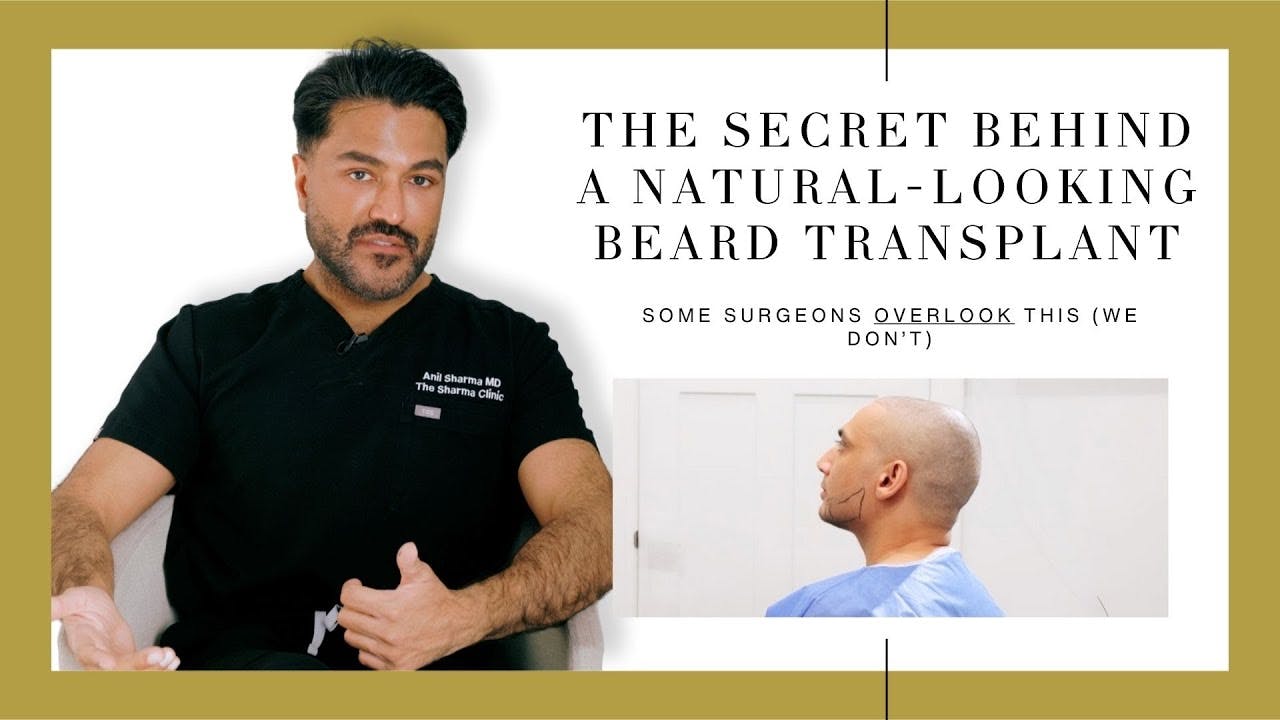
Take a look in this behind the scenes look into a typical beard transplant. They don't differ that much from a regular hair transplant, with the hair grafts being implanted to the beard area rather than the hairline or scalp. The harvesting method is identical to usual hair transplants. The grafts can be harvested by the FUE or FUT method, but the grafts are paced on the face in areas where patients would like to see thicker hair.

video thumbnail

What to Expect From Your Beard Transplant in Edmonton

Anatomical Planning and Surgical Design

Before any extraction begins, Dr. Sharma will assess your facial anatomy in detail, evaluating jaw width, ramus angulation, chin-lip ratio, and existing hair patterns to get a full picture of your beard potential. These measurements will directly inform the design of your beard zone, with follicle placement planned around fixed anatomical landmarks to produce symmetrical, proportionate results.

Donor Area Assessment and Graft Extraction

During surgery, Dr. Sharma will manually harvest all follicles using 0.6 to 0.7 mm punches under high magnification, with no robotic or motorised devices in the operating room. Each graft will be evaluated for quality and size during extraction, and larger follicular units will be dissected into individual components to ensure they are appropriately matched to the facial recipient sites. You’ll receive local anaesthesia with a ring block and a mandibular nerve block to prevent pain and discomfort 

Graft Inspection and Preservation

Following extraction, each graft will undergo stereomicroscopic inspection before approval for placement and implantation. Dr. Sharma applies the following standards to every beard transplant cases:

  • Only single and double follicular units will be used to replicate the natural fineness of facial hair
  • Each graft will be assessed for intact root and bulge integrity, confirming the presence of regenerative stem cells
  • Damaged or oversized grafts will be excluded to prevent a cobblestone or pluggy outcome
    Approved grafts will be stored in HypoThermosol and ATP solution at 2-4℃ until placement

Recipient Site Creation and Graft Implantation

Dr. Sharma will begin recipient site creation with test incisions to confirm proper blade sizing and graft-to-site matching before proceeding with your full beard transplant in Edmonton. Once sites are confirmed, each graft will be hand-placed under binocular magnification with its angle guided by the natural growth direction of your facial hair. Dr. Sharma applies the following placement principles to ensure a result that reads as natural rather than surgical:

  • Cheek zones will receive fine single-hair grafts placed along facial contours to create soft blending
  • Jawline and chin areas will receive slightly denser placement, with multi-directional growth zones in the goatee region
  • Sideburn restoration will follow the natural tapering pattern as hair transitions from the temporal region toward the jaw
  • All incisions will be angled to match the low emergence angle of natural beard hair, typically ten to twenty degrees from the skin surface

Schedule A Consultation

Contact us media

Patient-Centred Recovery

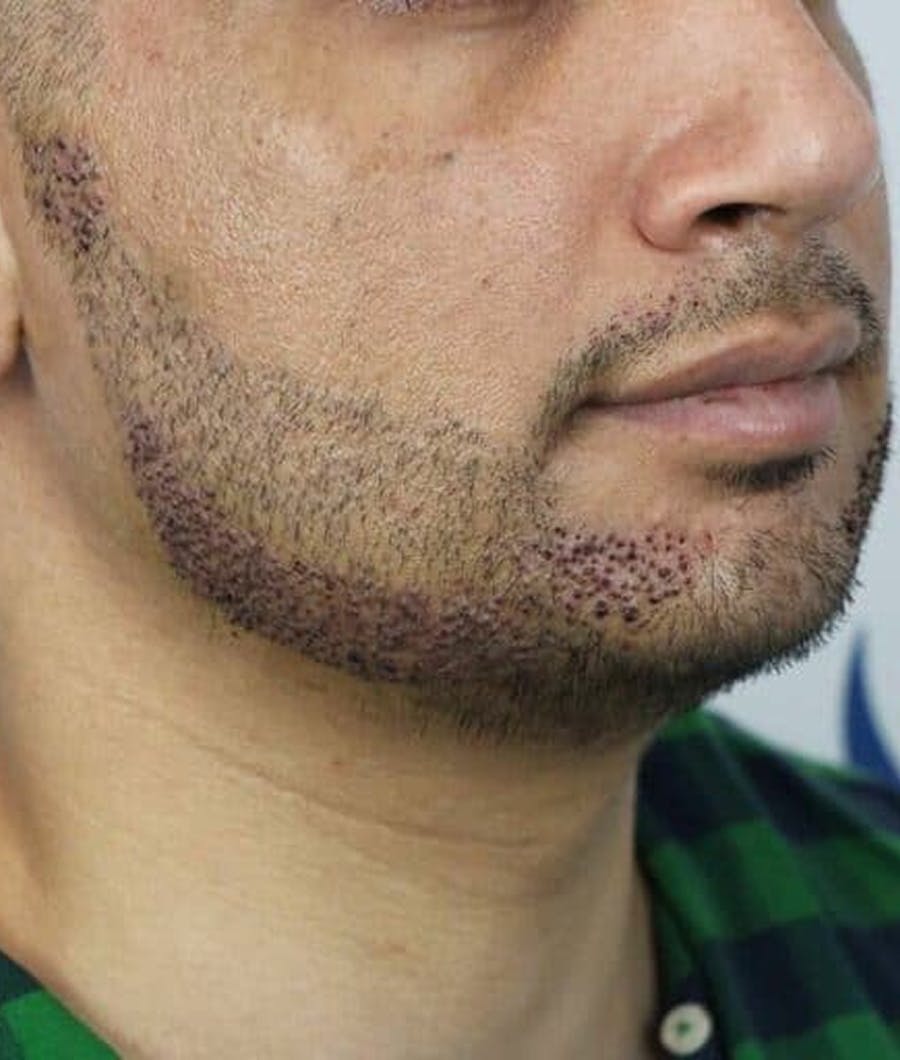
Recovery after your beard transplant in Edmonton typically involves mild swelling, tenderness, and small scabs at the recipient sites in the first week. All scabbing and crusting should resolve within two weeks. We’ll provide you with a hydration spray to support early healing and detailed guidance on caring for the facial area without disturbing your newly placed grafts. Most patients resume everyday activities, including social gatherings and desk work, within a few days. Those returning to physically demanding roles or environments with dust or sun exposure should wait several days to avoid skin irritation. Strenuous activity should be avoided for at least one week to prevent sweating at the graft sites.

beard transplant recovery photo

Your Post-Op Process

After your procedure, we will provide you with a customised recovery plan tailored to the specific needs of facial healing. Your plan may include guidance on the following:

  • Incision site care and cleaning protocols
  • Sun protection and exposure requirements
  • Scalp and facial skin care guidelines
  • Hygiene and grooming recommendations during recovery
  • Activity limitations
  • Side effects to monitor
  • Swelling and discomfort management strategies

Over the coming months, you’ll return to our offices in Edmonton for short follow-up visits with Dr. Sharma. There, he’ll check your healing progress, assess graft health, and discuss your satisfaction and any questions about the developing result.

Testimonials

My biggest insecurity is now gone!

Over a year in and I am so pleased with how my hair came in. My biggest insecurity is now gone! Dr. Sharma has such a great and caring team!

Destiny Chase 5 out of 5 stars

I would highly recommend Dr Sharma.

The staff and the Sharma Clinic is always very welcoming and professional. Dr Sharma takes the time to listen to his patients and is very thorough with his procedures. The staff...

The staff and the Sharma Clinic is always very welcoming and professional. Dr Sharma takes the time to listen to his patients and is very thorough with his procedures. The staff always does a follow up call to make sure things have gone smoothly. I would highly recommend Dr Sharma.

Danusia Gale 5 out of 5 stars

The entire staff really care about your success.

The entire staff really care about your success. Dr Sharma is a fantastic surgeon with countless amazing transplant. Do not 2nd guess Call and book a appointment

Daryl Heisler 5 out of 5 stars

By far the best hair transplant doctor in Alberta, highly recommend.

By far the best hair transplant doctor in Alberta, highly recommend. The staff are top notch and very helpful.

Drew 5 out of 5 stars

Dr Sharma and his team were genuine

Dr Sharma and his team were genuine, professional and very courteous. If you’re thinking about getting any procedure done there I highly recommend it. It was the best money my p...

Dr Sharma and his team were genuine, professional and very courteous. If you’re thinking about getting any procedure done there I highly recommend it. It was the best money my partner ever spent.

Ryanne Dufour 5 out of 5 stars

Life changing. 10/10!!

Dr. Sharma and his staff were incredible from start to finish and the results exceeded expectations. Life changing. 10/10!!

Sean Zuk 5 out of 5 stars

My hairline looks better than it did at 18 years old and I couldn't be happier.

Got a FUE transplant with Dr. Sharma about 6 months ago and would honestly recommend him to anyone. Very thorough and helpful throughout the entire process, his team was on top ...

Got a FUE transplant with Dr. Sharma about 6 months ago and would honestly recommend him to anyone. Very thorough and helpful throughout the entire process, his team was on top of everything. Most importantly though, they simply did an incredible job on my transplant. My hairline looks better than it did at 18 years old and I couldn't be happier.

Colton Girard 5 out of 5 stars
Reviews media

Achieving Your Desired Look

The results of your beard transplant will become visible within three months of your procedure, though early growth may be slightly patchy. Shedding is a normal part of early recovery, but your hair growth should become more consistent around the six-month mark. Full results, including final texture and coverage, mature 9-12 months post-procedure, and the transplanted hair can be shaved and styled immediately once it has grown in.

Beard Transplant Frequently Asked Questions

What causes patchy beard growth, and can a transplant correct it?

Patchiness is most commonly caused by genetics, though scarring from injury or prior procedures and conditions such as alopecia areata can also contribute. A transplant can restore density in stable, well-defined areas. Patients with active inflammatory conditions are advised to seek medical dermatology clearance before proceeding.

How many grafts are typically needed for a beard transplant?

Graft requirements vary considerably depending on the size of the area being treated, the degree of existing patchiness, and the desired density. Dr. Sharma will assess your facial anatomy and donor supply during your consultation and provide a graft estimate based on what your scalp can safely provide without compromising future restoration options.

Will the transplanted beard hair look and feel natural?

Yes, provided the procedure is planned correctly. Because Dr. Sharma uses only single and double follicular units and angles to match your natural growth patterns, transplanted follicles integrate with surrounding hair to be nearly undetectable from native growth.

Is a beard transplant performed under general anaesthesia?

No. The procedure is performed under local anaesthesia using ring block and mandibular nerve block techniques. Most patients report minimal discomfort during the procedure, with mild soreness in the days that follow, which is manageable with over-the-counter medication.

Can a beard transplant address scarring from a prior injury or surgery?

Yes. Scar revision within the beard zone is a common reason patients seek this procedure. The viability of transplanting into scarred tissue will depend on the nature and depth of your scarring, and Dr. Sharma will assess your scar tissue during your consultation before making any recommendations.

Schedule Your Surgical Consultation

Hair transplant surgery requires careful evaluation and planning. Schedule a consultation to determine if you are a candidate for FUE or FUT procedures. The assessment includes donor evaluation, recipient area analysis, and discussion of realistic outcomes based on your individual characteristics. For medical therapy options, consult with your primary physician or dermatologist.

Contact us media Contact us media
Accessibility: If you are vision-impaired or have some other disability covered by the Accessible Canada Act, provincial accessibility or human rights legislation, or a similar law, and you wish to discuss potential accommodations related to using this website, please contact our Accessibility Manager at (780) 476-7970.
Book Consultation