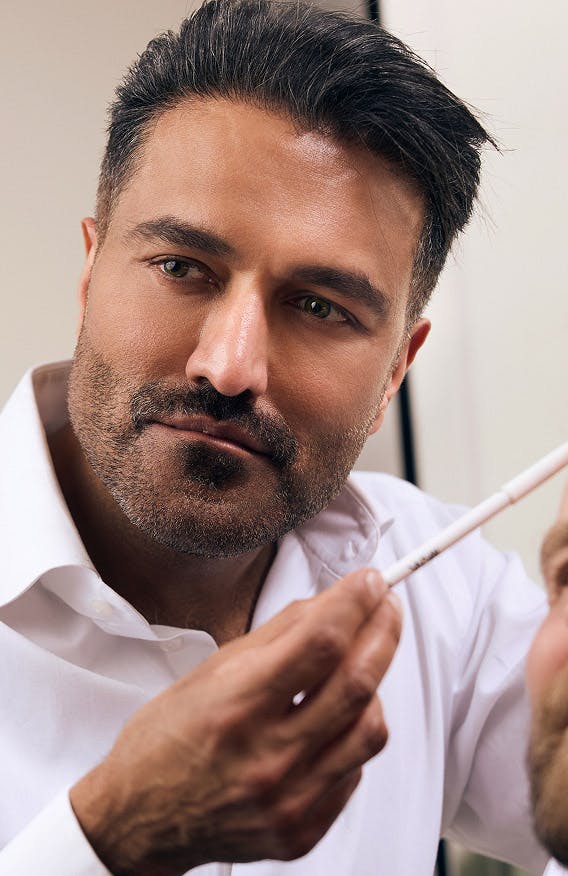
A Smarter Way to Slow Hair Loss

Topical finasteride is more effective when it reaches the follicles directly, and microneedling is one of the most clinically sound methods for targeted delivery. At the Canadian Hair Transplant Centre, we include microneedling with finasteride as part of microneedling for hair loss in Edmonton plan built around your specific pattern of thinning.

Finasteride Microneedling- Sharma Skin and Hair Surgery

video thumbnail

What Is Microneedling?

Microneedling is a non-surgical hair loss treatment that creates controlled microchannels in the scalp using a sterile microneedling device, immediately followed by the application of a compounded topical finasteride.

The microchannels significantly increase finasteride absorption, delivering the DHT-blocking medication directly to the dermal papilla, where androgenetic hair loss originates. Research suggests this combination approach can significantly improve hair regrowth outcomes compared to topical or oral medications alone.

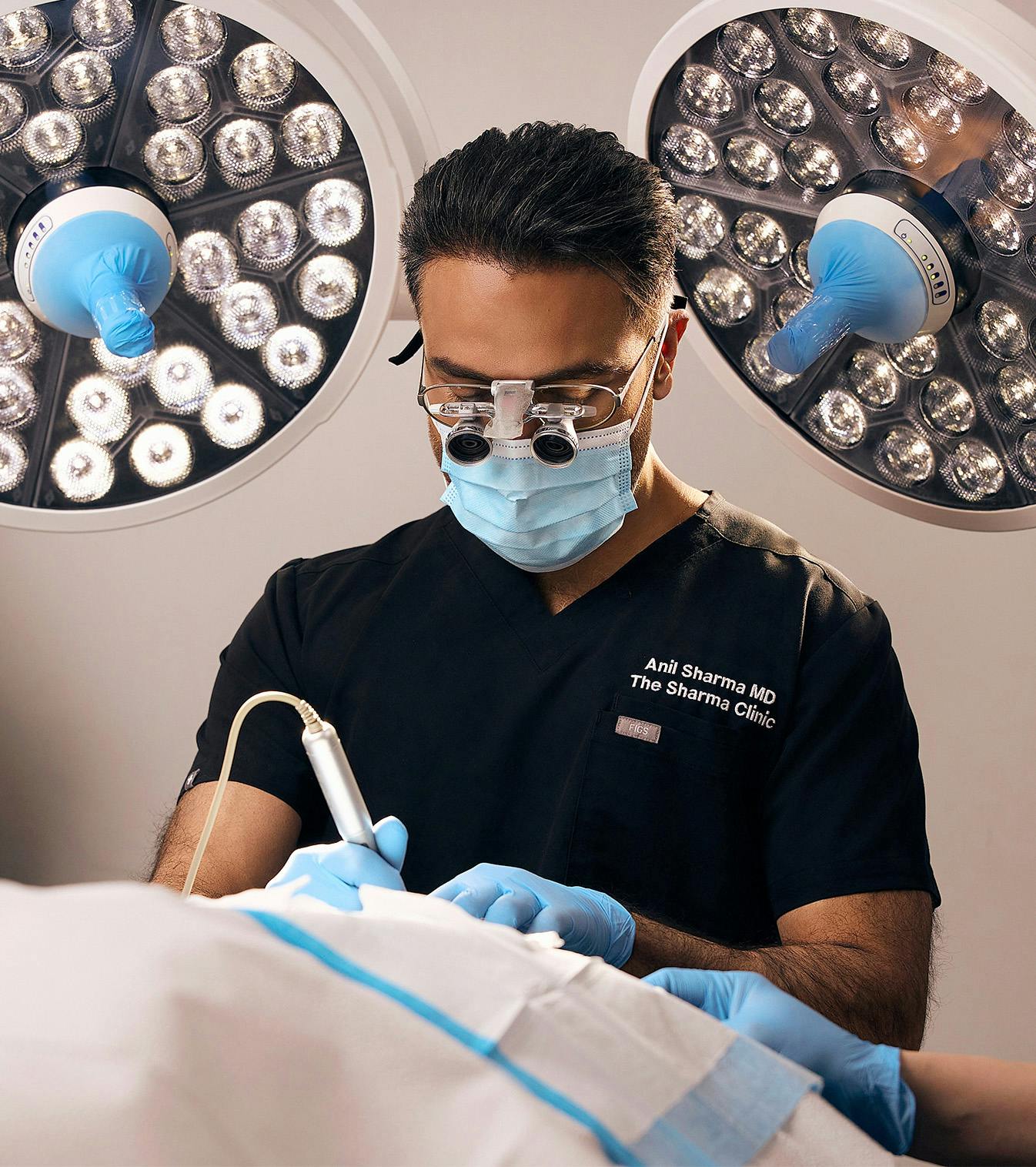
Doctor media

Why Choose the Canadian Hair Transplant Centre?

Microneedling with finasteride is a medical treatment, not an aesthetic procedure, and the clinical assessment behind it matters as much as the technique itself. The Canadian Hair Transplant Centre is the only practice in Alberta dedicated exclusively to hair restoration, operating fully functional clinic. Our facility is approved by the College of Physicians and Surgeons of Alberta, and all procedures adhere to ISHRS standards for evidence-based, non-surgical scalp therapies.

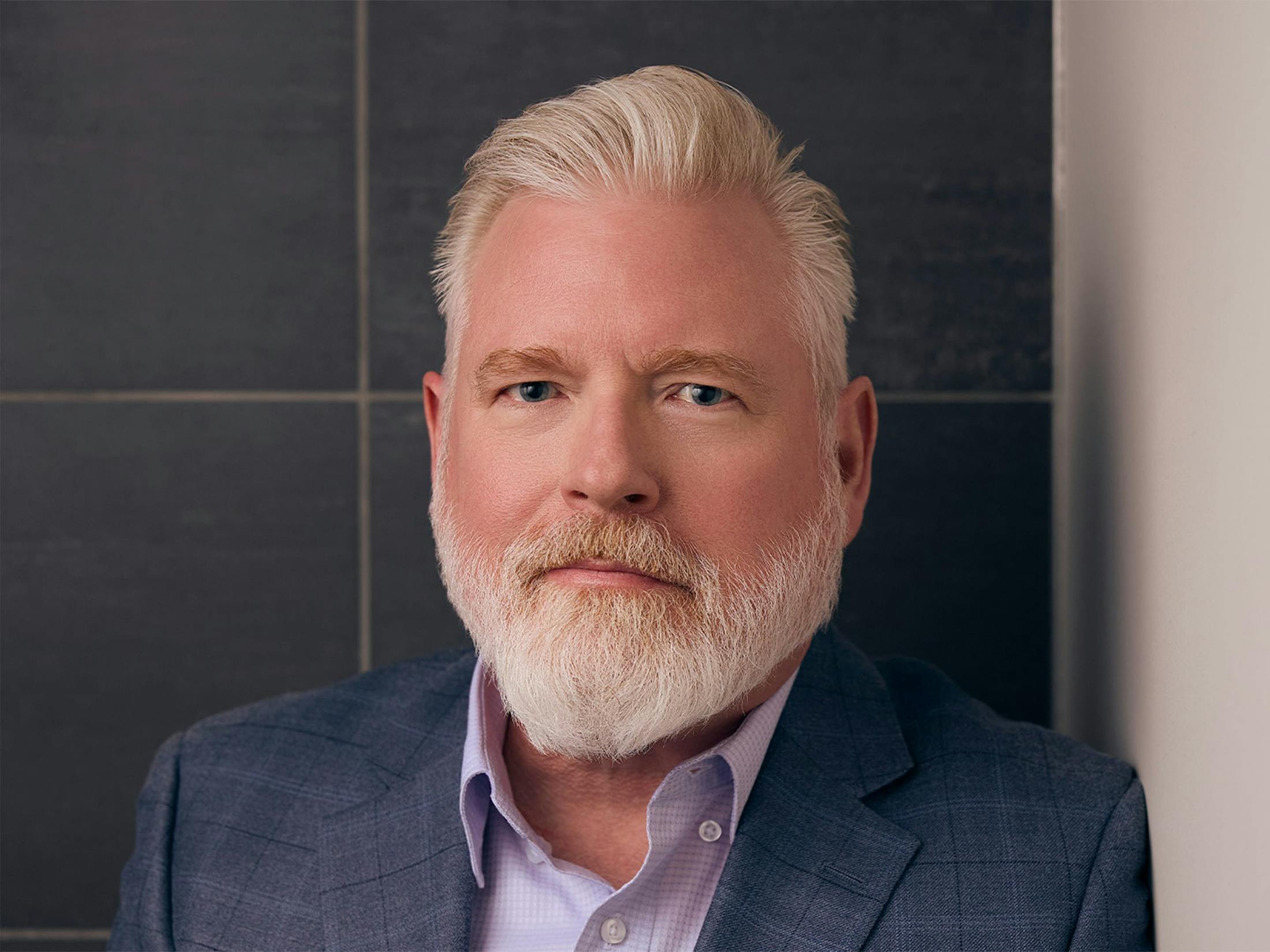
With over 15 years of physician-led hair restoration experience and more than 1,000 personally performed procedures, our founder, Dr. Anil Sharma, brings genuine clinical depth to every non-surgical treatment we offer. He conducts unhurried, one-on-one consultations with every patient to identify the root cause of their hair loss and build a customised treatment plan that helps restore a healthy scalp.

Doctor background

Schedule A Consultation

What to Expect From Your Microneedling for Hair Loss in Edmonton

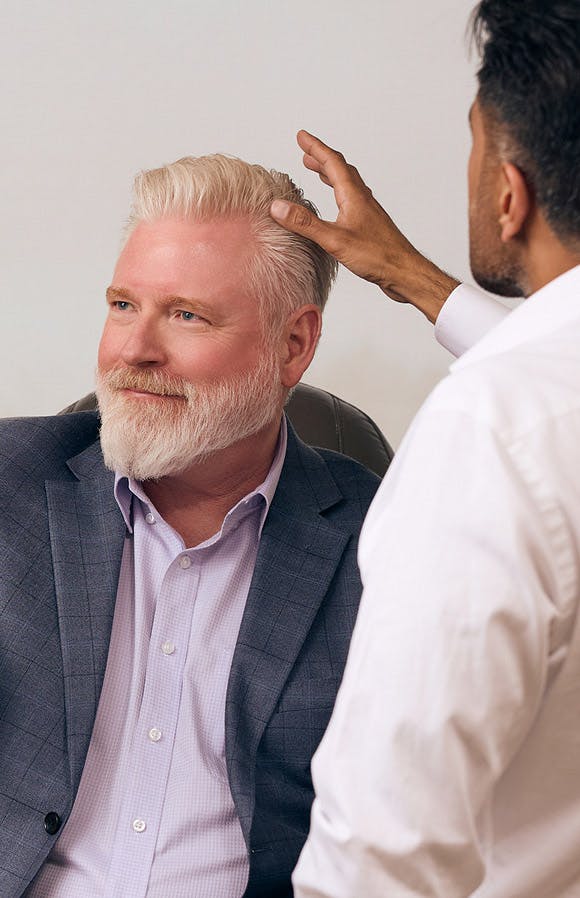
A Private Scalp Assessment

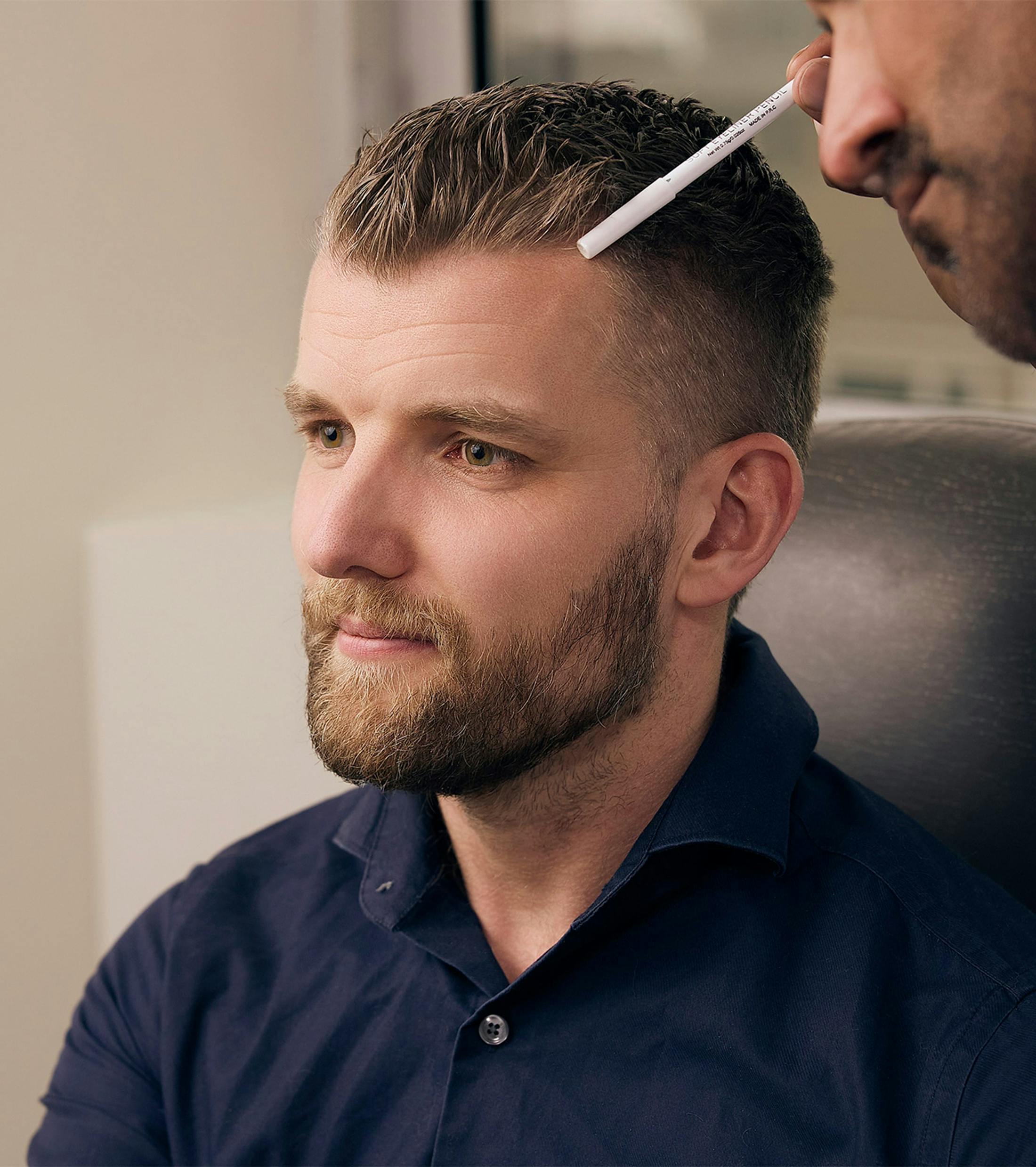
Before beginning your treatment, Dr. Sharma will assess your scalp using careful trichoscopy to evaluate your current follicular density, hair shaft diameter, and the extent of miniaturisation occurring in the treatment zones. This step confirms whether viable follicles remain in the areas you wish to treat, since microneedling with finasteride supports and stimulates existing follicles rather than generating new ones.

Topical Finasteride Application

Immediately following microneedling, a compounded topical finasteride solution will be applied directly to the treated zones while the microchannels are open. This timing is critical to the approach, as the channels created by microneedling increase local finasteride absorption by approximately three to five times compared to topical application alone. By concentrating DHT suppression at the follicular level, this method directly targets the hormonal mechanism responsible for androgenetic hair miniaturisation in the treated area.

Microneedling Application

To start your treatment, Dr. Sharma will clean and prepare your scalp before using a sterile derma roller or an electronic microneedling device to create controlled micro-punctures at a depth of 0.5-1.5 mm. Your exact microchannel depth will depend on your scalp characteristics and treatment zones. These micro-injuries stimulate the following responses in the scalp environment:

  • Activation of the dermal papilla and surrounding follicular tissue through localised mechanical stimulation
  • Release of endogenous growth factors triggered by the controlled wound healing response
  • Increased blood circulation to the treated areas, improving nutrient delivery to thinning follicles
  • Formation of new microchannels that dramatically improve topical medication penetration into the dermal layer

Treatment Schedule and Combination Protocols

Here, microneedling for hair loss requires a consistent series of sessions to achieve meaningful results, followed by ongoing maintenance. Dr. Sharma will design a treatment schedule based on your scalp assessment, typically spacing sessions two to four weeks apart during the initial active phase. This treatment is most effective when combined with other therapies, such as the following:

  • Platelet-rich plasma (PRP) therapy
  • Low-level laser therapy
  • Oral or topical minoxidil
  • Pre- and post-surgical maintenance protocols for patients who have undergone or are planning a hair transplant
Background media
doctor looking at a patient's hairline

No-Downtime Recovery That Suits Your Schedule

Recovery after microneedling for hair loss in Edmonton doesn’t require any traditional downtime. Most patients experience mild redness and some scalp sensitivity for 12-24 hours following a session, which is a normal response to the controlled micro-injury process. There is no surgical wound, suturing, or sedation involved, and the brief recovery window fits easily into a standard working week. Most patients resume normal activities, including light movement, social gatherings, and work, the same day. We recommend avoiding strenuous exercise and prolonged sun exposure to the scalp for the remainder of the treatment day, and refraining from applying other topical products to the treated area for at least 24 hours.
Your Personalised Post-Treatment Process

After each session, our team will share simple aftercare guidance to support optimal absorption and scalp recovery. Your recovery plan may include the following:

  • Avoiding hair washing for a specified period following treatment
  • Limiting direct sun exposure to the scalp for the first 24 hours
  • Avoiding alcohol for 24 hours post-treatment to support the healing response
  • Refraining from strenuous exercise on the day of your session
  • Continuing any complementary topical treatments as directed
  • Monitoring for any prolonged redness, tenderness, or unexpected reactions

We will track your scalp health at follow-up appointments at our offices using clinical photography and trichoscopy, and adjust your protocol based on your progress.

Transformative Results

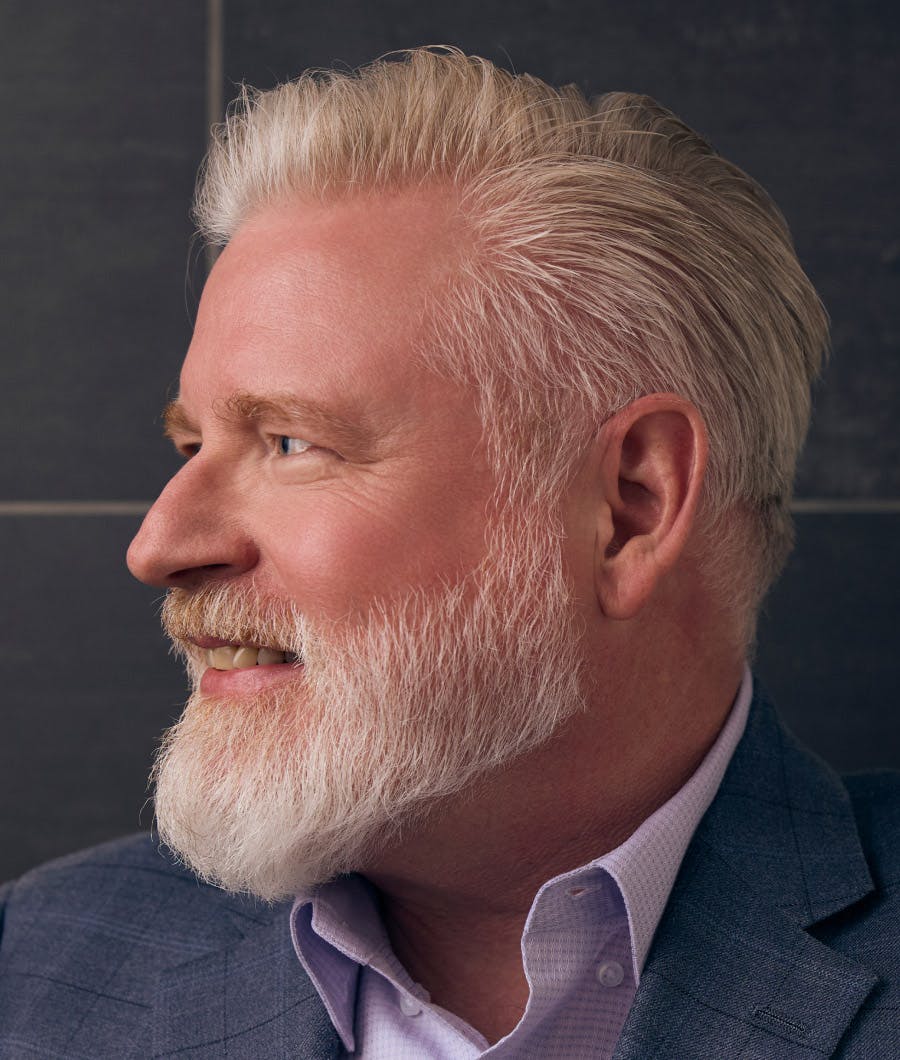
Most patients notice reduced shedding and early improvements in hair shaft diameter within three to six months of consistent treatments. Clinical studies have found that patients typically experience meaningful improvements in scalp density after six months of regular sessions, with continued gains possible with ongoing maintenance. Results build gradually and require sustained treatment to maintain, as the therapy supports existing follicle health rather than producing a one-time permanent change.

A man with his head turned to the side

Microneedling with Finasteride Frequently Asked Questions

Is microneedling with finasteride suitable for women?

Finasteride is generally not recommended for women of childbearing age due to its hormonal mechanisms. Post-menopausal women may be considered for this treatment in some cases. Dr. Sharma will assess your hormonal balance and medical history before determining if finasteride-based therapies are right for you.

How does microneedling with finasteride compare to oral finasteride?

The topical delivery method significantly reduces systemic absorption of finasteride compared with oral tablets, potentially lowering the risk of side effects while maintaining targeted DHT suppression. It is not a guaranteed replacement for oral finasteride and is not appropriate for all patients.

Can microneedling with finasteride prevent the need for a hair transplant?

In some early-stage cases, microneedling with finasteride may slow progression enough to delay or reduce the need for eventual surgery. It cannot reverse advanced hair loss or restore coverage in areas of complete baldness, and it’s best understood as a maintenance strategy rather than a transplant alternative in moderate-to-advanced cases.

What stage of hair loss responds best to this treatment?

This therapy is most effective for patients in the earlier stages of androgenetic alopecia, typically Norwood stages one to three, where a meaningful number of follicles are thinning but still present and responsive to treatment. Our team will assess your stage at consultation to confirm whether this approach is appropriate for your specific pattern of loss.

Schedule Your Surgical Consultation

Hair transplant surgery requires careful evaluation and planning. Schedule a consultation to determine if you are a candidate for FUE or FUT procedures. The assessment includes donor evaluation, recipient area analysis, and discussion of realistic outcomes based on your individual characteristics. For medical therapy options, consult with your primary physician or dermatologist.

Contact us media Contact us media
Accessibility: If you are vision-impaired or have some other disability covered by the Accessible Canada Act, provincial accessibility or human rights legislation, or a similar law, and you wish to discuss potential accommodations related to using this website, please contact our Accessibility Manager at (780) 476-7970.
Book Consultation