Rebuilding Your Confidence After a Disappointing Result

Not every prior hair transplant delivers on its promises. Whether the issue is an unnatural hairline, patchy density, or grafts that never properly grew, patients arrive at the Canadian Hair Transplant Centre in Edmonton looking for an honest assessment and a physician capable of improving what came before.

man looking to the side

What Are Corrective Hair Transplants?

A corrective hair transplant is a surgical procedure designed to improve the outcome of a previous transplant that produced an unnatural or unsatisfactory result. This may involve adding grafts to soften an unnaturally straight hairline, increasing density in areas where prior grafts failed to survive, or correcting unnatural growth angles caused by poor placement. What’s possible will depend on your remaining donor graft supply and scalp health.
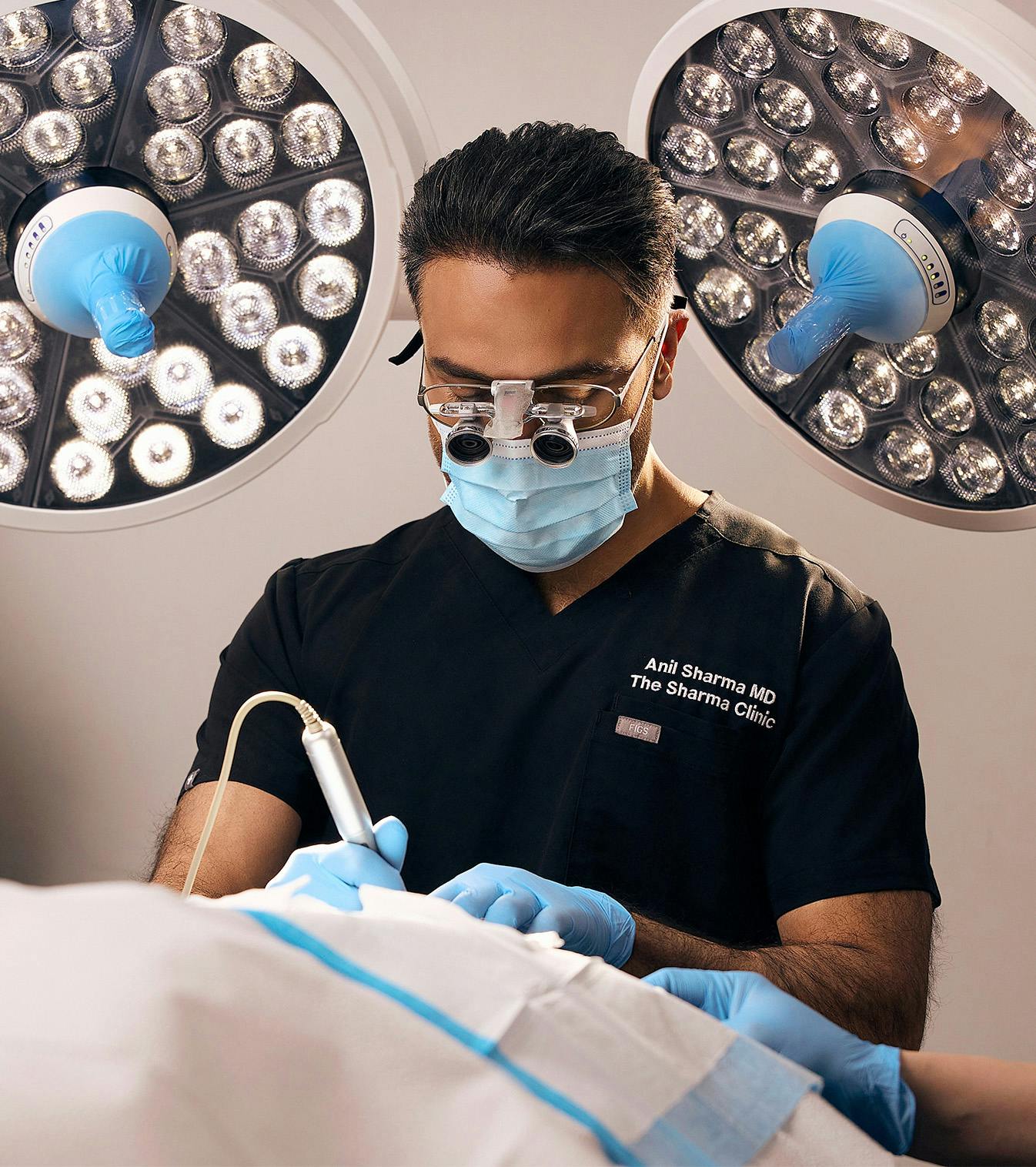

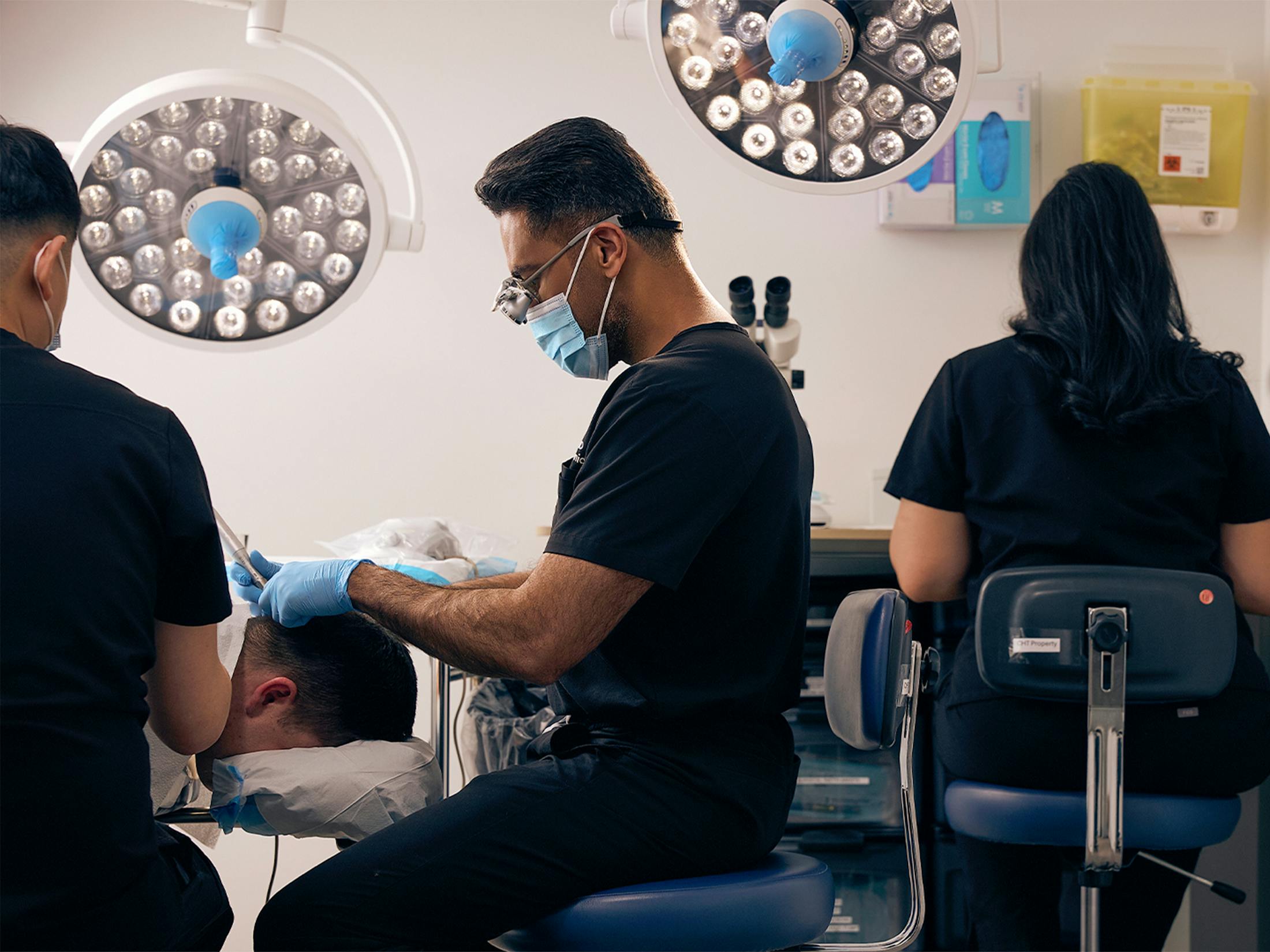
Doctor media

Why Choose the Canadian Hair Transplant Centre?

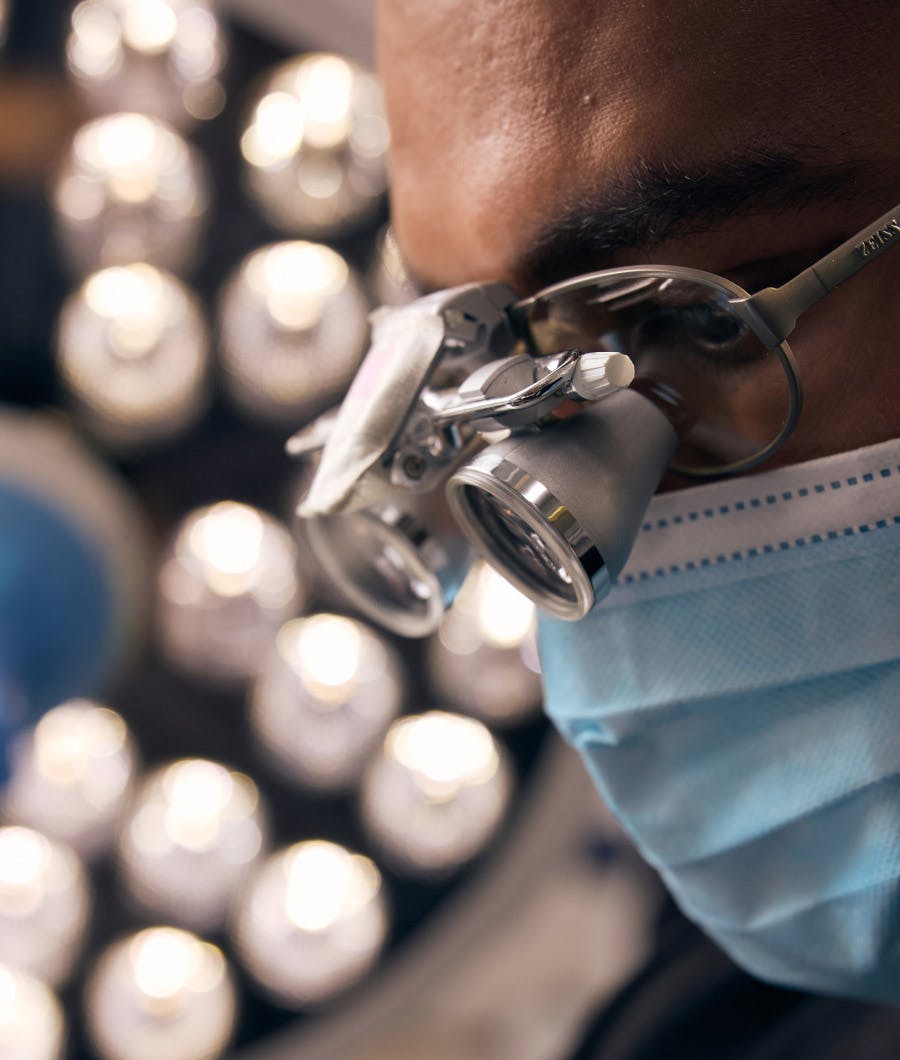
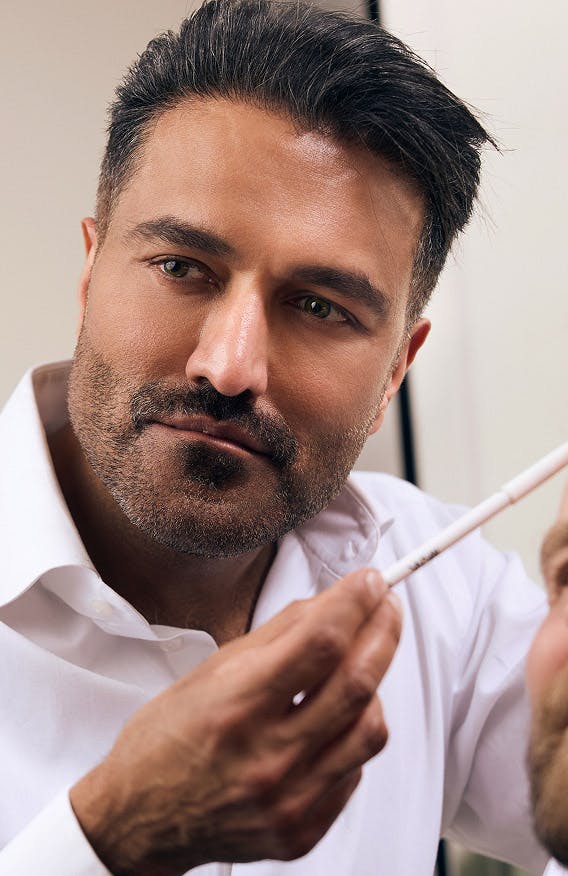
Correcting a previous transplant requires a different skill set than performing a first-time procedure, since the surgeon must work around existing grafts, scarring, and a reduced donor reserve. Our founder, Dr. Anil Sharma, holds an MD and MB ChB from the University of Glasgow and has performed over 1,000 successful procedures throughout his 15+ years as a hair loss specialist. He trained in the UK, Italy, and France to learn the world's most advanced hair restoration techniques and bring them back to his patients in Edmonton. 

Our clinic operates as a CPSA-approved Non-Hospital Surgical Facility, ensuring corrective surgery meets the same exacting standard applied to every procedure performed here. All of our procedures align with regulations set by the International Society of Hair Restoration Surgery (ISHRS) to protect patient safety in complex cases.

Doctor background

Schedule A Consultation

What to Expect From Your Corrective Hair Transplant in Edmonton

Assessing the Existing Work and Remaining Donor Supply

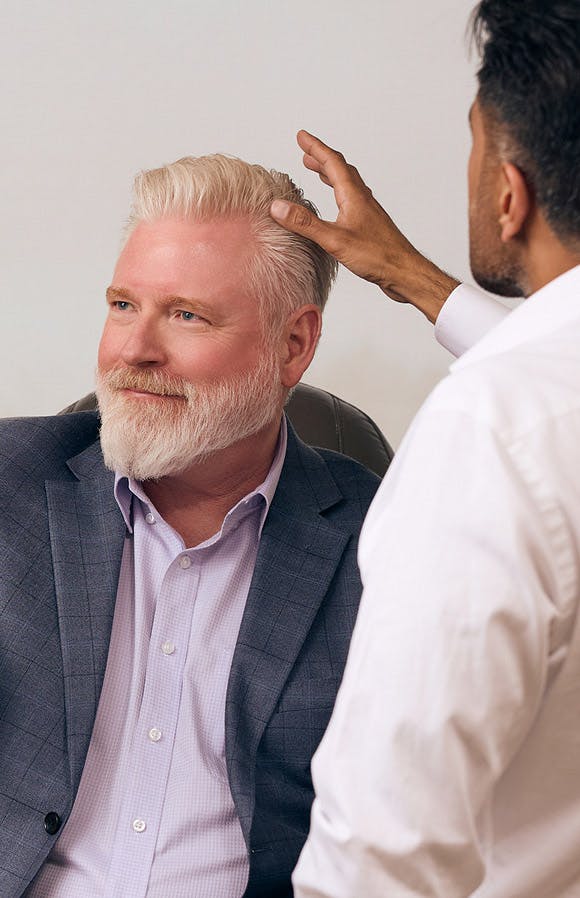
Before any corrective plan is developed, Dr. Sharma will use TrichoScan imaging to evaluate your remaining donor density and assess the condition of the previously transplanted area. Because grafts removed in your original procedure cannot regenerate, this assessment determines exactly how much additional work is realistically possible. During your consultation, Dr. Sharma will examine the existing hairline design, graft survival rate, growth direction, and any scarring present before developing a customised course of action.

Correcting Hairline and Density Issues

For patients with an unnaturally straight, low, or symmetrical hairline, Dr. Sharma will redesign the leading edge using fine single-hair grafts placed irregularly to soften the line and introduce the natural micro-imperfection that a genuine hairline carries. If the issue lies in insufficient density from a prior procedure, additional grafts will be distributed to blend with existing hair rather than simply adding volume on top of an already uneven foundation. Each correction is planned individually based on the original work's result and your aesthetic goals.

Extraction and Graft Handling

Dr. Sharma will manually extract all corrective grafts using 0.6-0.7 mm punches under surgical magnification, applying the same standards used for every first-time procedure performed at this practice. Because corrective cases often draw on a more limited donor reserve, extraction will be planned conservatively to preserve options for future needs. Every graft will be inspected and handled according to the following standards:

  • Each graft will be assessed under magnification for intact root and bulge structure before being approved for use
  • Damaged or compromised grafts will be excluded from implantation
  • Approved grafts will be stored in HypoThermosol and ATP solution at 2-4℃ until placement
  • A first-out, first-in protocol will be used to minimise time spent outside the body

Removing or Reworking Poorly Placed Grafts

In some corrective cases, the most effective solution is to remove grafts placed at an incorrect angle or in a position that disrupts the natural growth pattern of surrounding hair, rather than simply adding new grafts around the problem area. Dr. Sharma will assess whether this approach is appropriate based on the following factors:

  • The density and survival rate of the originally placed grafts in the affected area
  • Whether the angle or direction of existing grafts conflicts with a natural-looking design
  • The overall donor supply available to support both removal and any necessary replacement
  • The long-term aesthetic outcome achievable with and without removing the existing work
Background media

Gentle, Patient-First Recovery

Recovery after a corrective hair transplant in Edmonton will typically follow the same timeline as your first-time procedure, with mild swelling, tenderness, and scabbing at the recipient sites over the first two weeks. We’ll provide you with a hydration spray to support early healing, with particular attention paid to areas where previous scarring or graft removal may require additional care during recovery. Most patients resume non-physical work, light movement, and social gatherings within three to five days. Strenuous activity should be avoided for at least one week to prevent scalp irritation and protect the newly placed grafts and any reworked areas.

Dr. Sharma

Your Post-Op Process

After your procedure, our technicians will share a customised recovery plan tailored to your specific corrective work. Your plan may include guidance on the following:

  • Incision site care and cleaning protocols
  • Sun protection and exposure requirements
  • Scalp care guidelines
  • Hygiene and hair styling recommendations
  • Activity limitations
  • Side effects to monitor
  • Swelling and pain management strategies

Over the coming months, you’ll return to our offices for short follow-up visits with Dr. Sharma. There, he’ll assess your healing progress, evaluate how the corrective grafts are integrating with the existing work, and discuss your satisfaction with the developing result.

Natural-Looking, Restorative Results

The final results of your corrective hair transplant in Edmonton will emerge on roughly the same timeline as your initial procedure. You can expect shedding over the first few weeks, with early regrowth beginning around month three. Because corrective cases involve blending new grafts with existing hair, final results may take slightly longer to fully assess, typically reaching maturity between 12 and 18 months post-procedure.

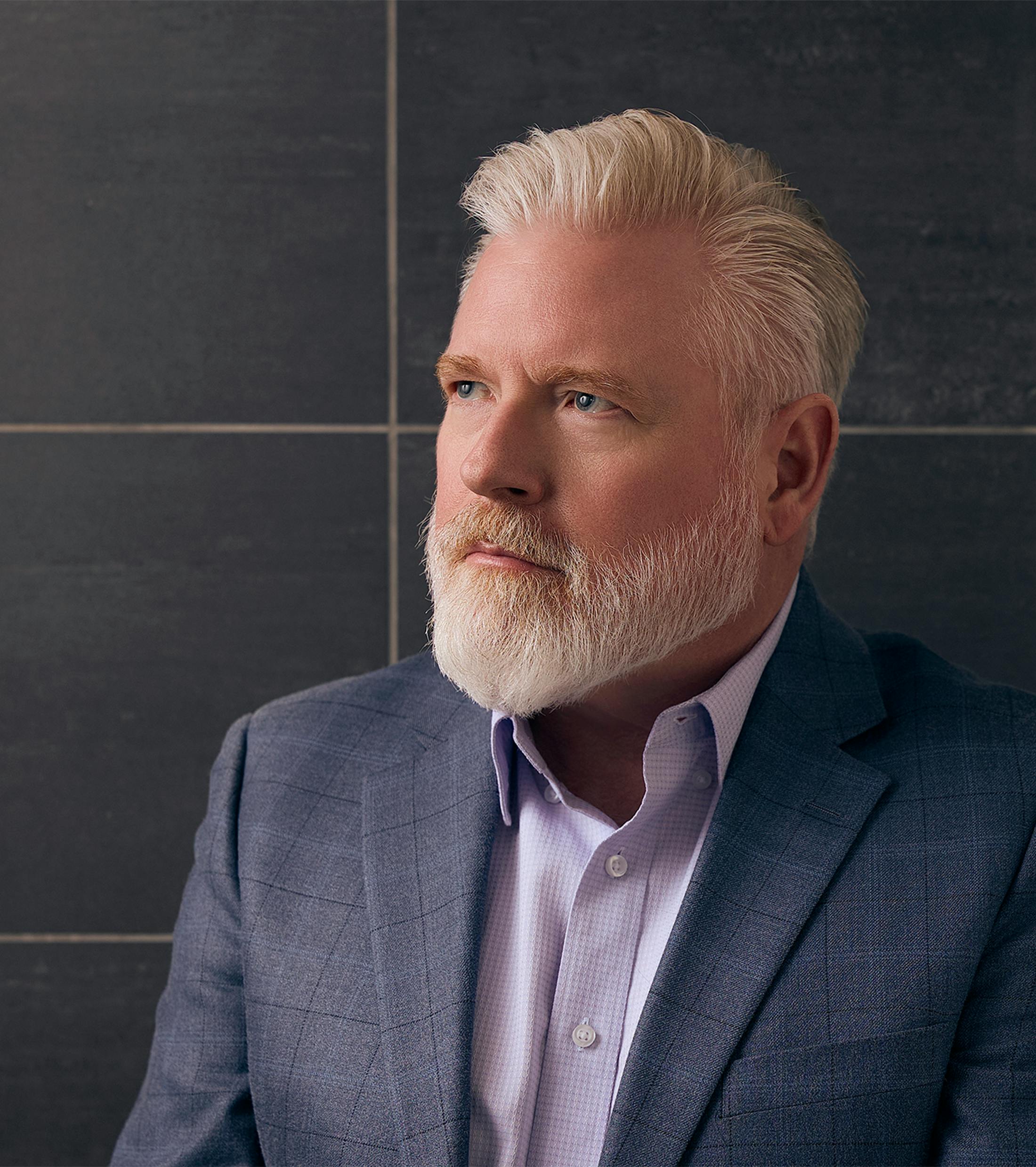
Older man with glasses

Corrective Hair Transplant Frequently Asked Questions

Will a corrective transplant fix scarring from my previous procedure?

Corrective transplants prioritise graft placement, density, and hairline issues and do not directly address scarring. Visible scarring from a prior FUT procedure is typically managed through a separate scar revision approach, though in some cases grafts can be transplanted directly into scar tissue. Dr. Sharma will clarify which approach is best for your specific situation.

How long should I wait after my original transplant before seeking correction?

Dr. Sharma recommends waiting at least one year after your original procedure to allow the full growth cycle to complete before assessing whether correction is needed. Evaluating results too early can lead to unnecessary intervention before the original grafts have fully matured.

Can a corrective transplant be performed if I have very limited remaining donor hair?

Yes, depending on what density remains. In cases of significantly limited donor supply, options may be restricted to redistributing existing grafts or focusing correction on the most visually significant areas, such as the hairline, rather than improving density across the whole scalp.

Will the corrected area look noticeably different from my existing hair?

No. Dr. Sharma’s goal is for the result to blend seamlessly with your existing hair rather than appear as a separate or distinct area. Achieving this depends on matching graft calibre, growth angle, and density to the surrounding hair, which Dr. Sharma plans carefully based on the specific characteristics of your original results.

Schedule Your Surgical Consultation

Hair transplant surgery requires careful evaluation and planning. Schedule a consultation to determine if you are a candidate for FUE or FUT procedures. The assessment includes donor evaluation, recipient area analysis, and discussion of realistic outcomes based on your individual characteristics. For medical therapy options, consult with your primary physician or dermatologist.

Contact us media Contact us media
Accessibility: If you are vision-impaired or have some other disability covered by the Accessible Canada Act, provincial accessibility or human rights legislation, or a similar law, and you wish to discuss potential accommodations related to using this website, please contact our Accessibility Manager at (780) 476-7970.
Book Consultation