Definition, Symmetry, and Precision in One Procedure

The moustache zone is one of the most visually prominent areas of the face, and restoring it requires a level of surgical precision that goes far beyond general hair transplantation. At the Canadian Hair Transplant Centre, Dr. Sharma personally performs every moustache transplant, combining advanced microsurgical techniques with a detailed understanding of facial balance.

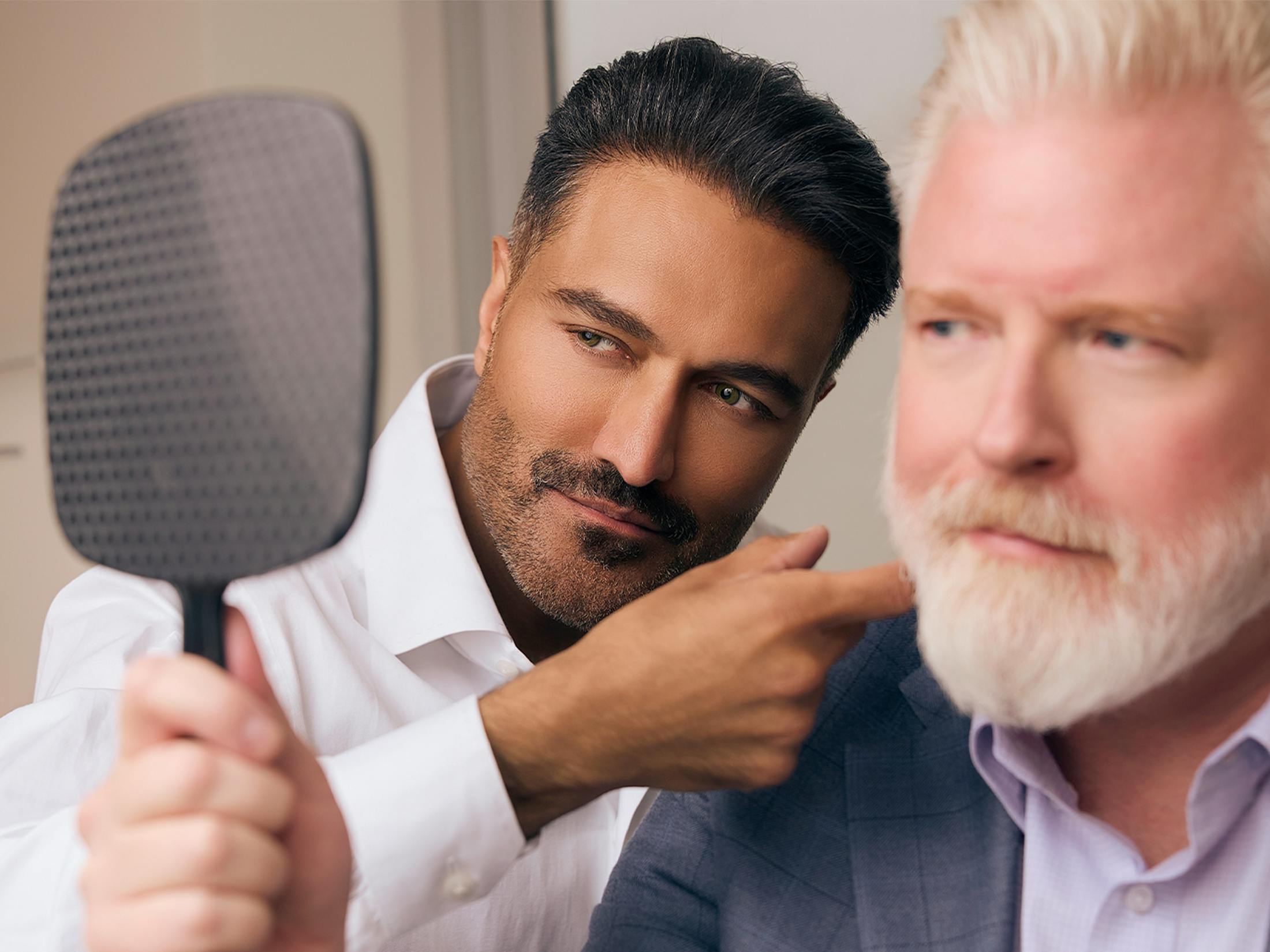
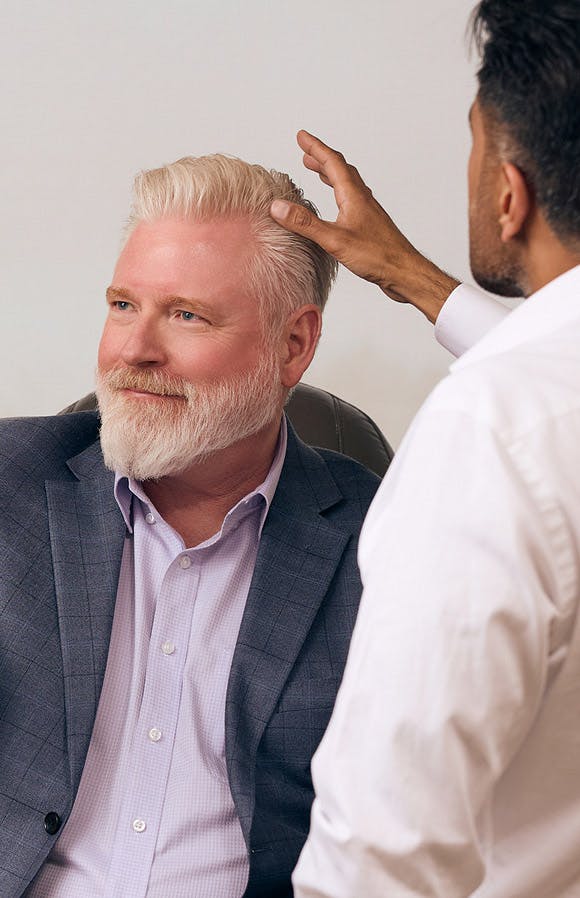
doctor pointing at a patient

What Is a Moustache Transplant?

A moustache transplant is a surgical procedure in which individual hair follicles are harvested from the scalp and placed into the upper lip region to create or restore density, symmetry, and definition. Because the moustache zone is narrow and highly visible, only the finest single and double grafts are used to replicate the natural fineness and directional flow of moustache hair. Results are permanent and can be groomed, shaved, and styled just like natural hair growth.

Doctor media

Why Choose the Canadian Hair Transplant Centre?

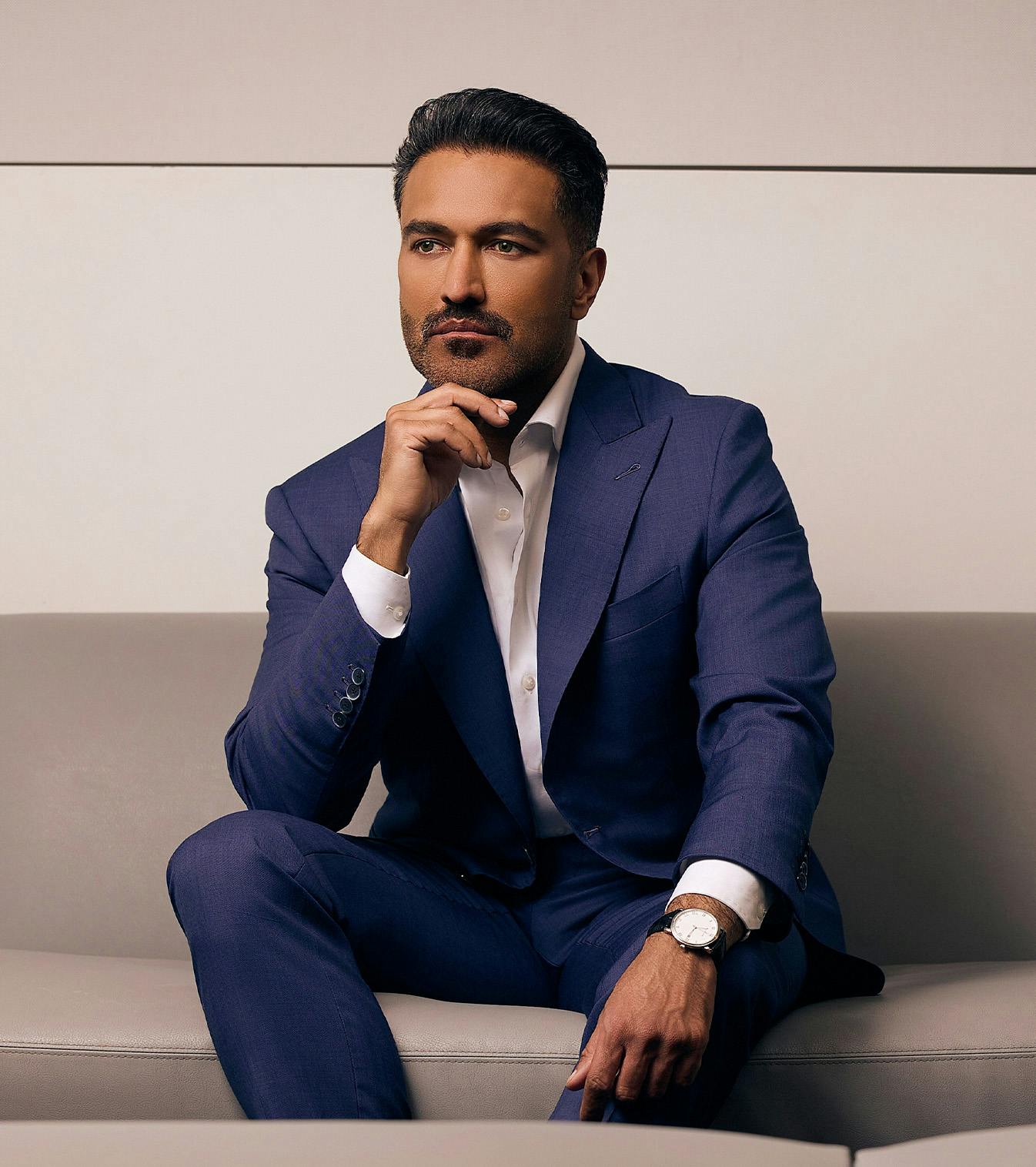
Moustache restoration demands a higher degree of surgical precision than most facial hair procedures, and that precision is only achievable when a trained physician performs every stage of the work. At the Canadian Hair Transplant Centre, Dr. Sharma conducts every extraction, site incision, and graft placement himself, without delegation. With over 15 years of specialized experience and over 1,000 successful procedures, Dr. Sharma brings an unparalleled level of excellence to every procedure. Your care will be conducted at our CPSA-approved clinic in Edmonton. Our team of licensed technicians and nurses is proud to assist Dr. Sharma in providing safe, effective, and transformational hair restoration services to our Alberta patients. 

Doctor background

What to Expect From Your Moustache Transplant in Edmonton

Upper Lip Anatomy Assessment and Design

Before any graft extraction begins, Dr. Sharma will conduct a thorough assessment of your upper lip anatomy, evaluating the philtrum columns, cupid's bow, vermilion border, and the natural transition zone between the lip and surrounding skin. These landmarks will guide the design of the moustache, ensuring the final result respects your facial proportions rather than imposing a generic template onto individual anatomy. During your one-on-one consultation, you’ll discuss your aesthetic goals and concerns so Dr. Sharma can develop a surgical plan that brings your vision to life. 

Donor Area Preparation and Graft Extraction

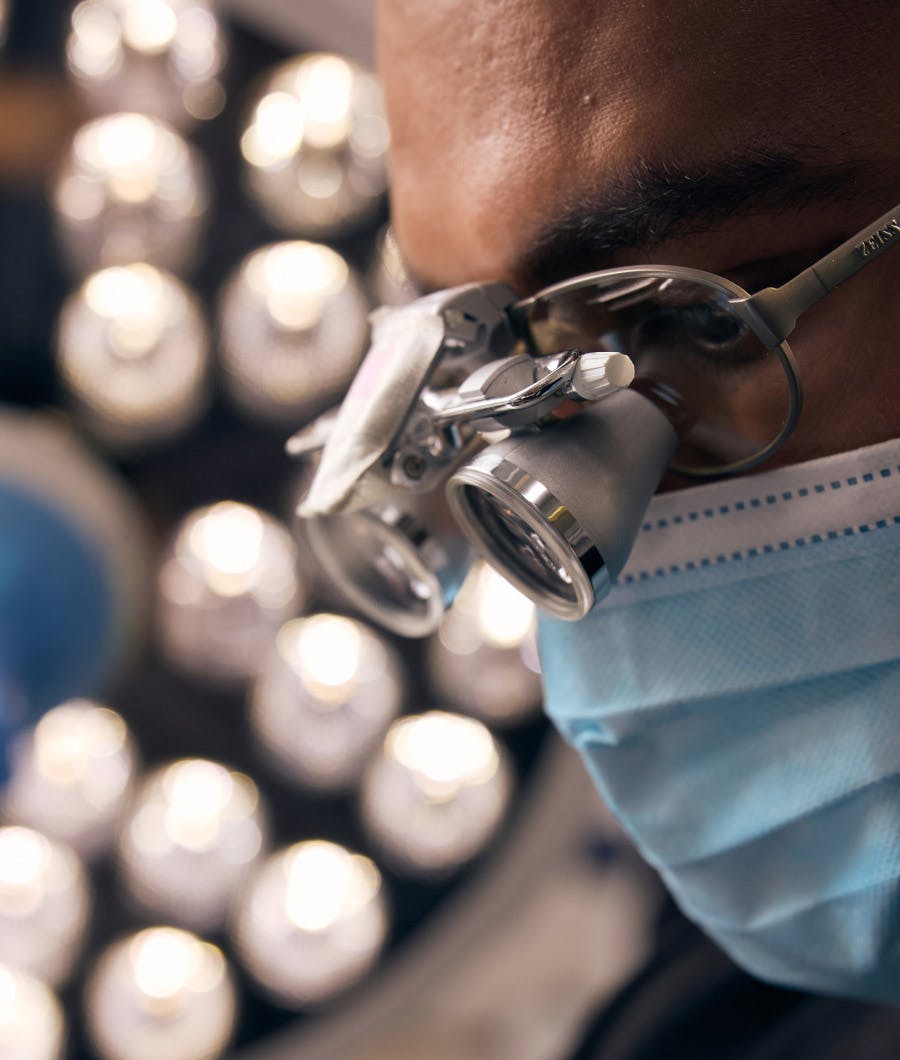
To begin your surgery, our nurses will administer local anaesthesia to prevent pain and discomfort during extraction and implantation. Then, Dr. Sharma will manually harvest all grafts using 0.6-0.7 mm punches under surgical magnification, with no assistance from motorised or robotic tools. Because moustache restoration requires the finest available follicular units, donor selection will be conducted with particular attention to hair calibre and shaft diameter to ensure seamless integration with the surrounding skin.

Graft Inspection and Preservation

Once harvested, every graft will undergo stereomicroscopic inspection to confirm suitability for the upper lip zone. Dr. Sharma applies the following standards to every moustache transplant performed at our Edmonton clinic:

  • Only single-hair and fine double-hair grafts will be used to match the natural texture of your moustache 
  • Each graft will be assessed for intact bulge and root structure to confirm regenerative viability
  • Grafts with any mechanical damage will be excluded from placement
  • Approved grafts will be stored in HypoThermosol and ATP solution at 2-4℃ until implantation

Recipient Site Creation and Graft Placement

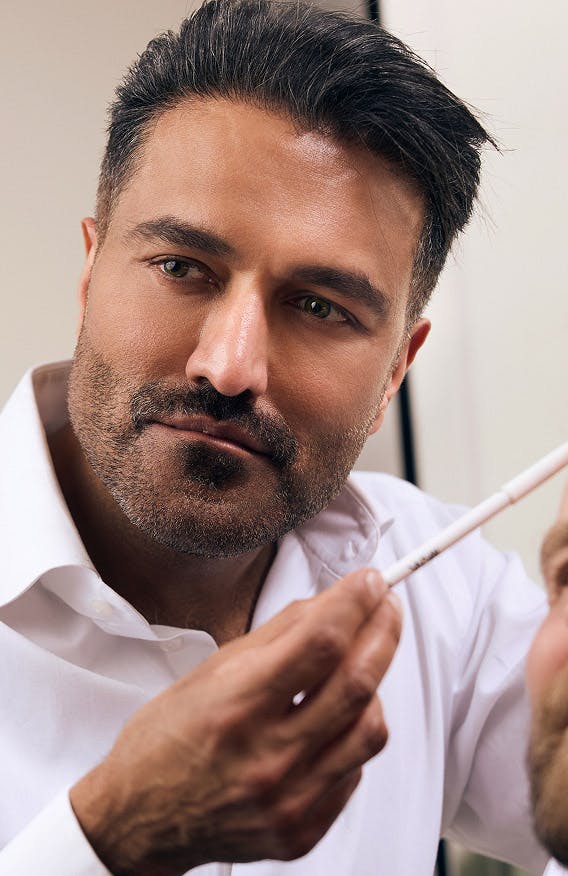
Before beginning implantation, Dr. Sharma will make test incisions in your recipient area to confirm the correct blade size and graft-to-site match, helping prevent unnatural hair emergence and textural irregularities. Once confirmed, each graft will be hand-placed under binocular magnification following the precise angulation and directional flow of your natural moustache hair. Dr. Sharma applies the following placement principles to every moustache case:

  • Central zones beneath the philtrum will receive the finest single-hair grafts to maintain a soft, natural leading edge
  • Lateral zones will receive slightly denser placement to create fullness that tapers naturally toward the corners of the mouth
  • All incisions will be angled to reflect the natural low, downward emergence angle of moustache hair against the upper lip skin
  • Placement density will be distributed to avoid an abrupt or artificial perimeter while building cohesive coverage across the zone

Schedule A Consultation

Contact us media

Patient-Centred Recovery

Recovery after a moustache transplant in Edmonton typically involves mild swelling, tenderness, and small scabs along the upper lip, which should resolve within two weeks. You may notice some swelling or loss of sensation at your donor site, which is a normal part of healing. We’ll provide you with a hydration spray and specific guidance on caring for the upper lip area without disturbing the newly placed grafts. Most patients resume everyday activities, such as desk work, social gatherings, and light movement, within a few days. Strenuous activity, including anything that causes significant sweating or raises blood pressure around the face, should be avoided for at least one week following your procedure.

Dr. Sharma

Your Post-Op Process

After your procedure, we will provide you with a customised recovery plan designed to support the health of your upper lip. Your plan may include guidance on the following:

  • Incision site care and cleaning protocols
  • Sun protection and exposure requirements
  • Facial skin care guidelines 
  • Hygiene and grooming recommendations
  • Activity limitations
  • Side effects to monitor
  • Swelling and discomfort management strategies

Over the coming months, you’ll return to our offices in Edmonton for short follow-up visits with Dr. Sharma. There, he’ll assess your healing progress, evaluate graft health, and address any questions about the developing result.

Natural-Looking Results

The final results of your moustache transplant in Edmonton will develop slowly over the following year, as your transplanted follicles begin their new growth cycle. Shedding is a normal part of early recovery, making room for initial growth to come in around the three-month mark. Full coverage, texture, and definition mature between 9-12 months, at which point the transplanted hair can be groomed and styled as part of your regular routine.

Moustache Transplant Frequently Asked Questions

What conditions make someone a good candidate for a moustache transplant?

Suitable candidates include men with congenital absence or thinness in the moustache zone, scarring from prior injury, surgery, or cleft lip repair, and those with patterned gaps caused by alopecia or over-removal through waxing or threading. During your initial consultation, Dr. Sharma will assess your donor supply and anatomy to confirm your candidacy.

How is a moustache transplant different from a beard transplant?

The moustache zone is narrower, more anatomically defined, and more immediately visible than the broader beard area. It requires finer graft selection, more precise angulation control, and a different design approach built around the upper lip rather than the jawline and cheek contours.

Will the transplanted moustache hair match my existing facial hair?

Donor follicles are selected with hair calibre and texture in mind to achieve the closest possible match to existing facial hair. Because transplanted follicles retain the characteristics of their scalp origin, there may be a minor difference in texture initially, which typically becomes less noticeable as the hair matures and is shaped through regular grooming.

Can a moustache transplant correct scarring from a cleft lip repair?

Yes. Transplanting into scar tissue is possible in many cases, though the viability of grafts in scarred areas depends on the depth, age, and vascularity of the scar. Dr. Sharma will evaluate your scar during your consultation before recommending the most appropriate treatment and surgical approach for your situation.

Schedule Your Surgical Consultation

Hair transplant surgery requires careful evaluation and planning. Schedule a consultation to determine if you are a candidate for FUE or FUT procedures. The assessment includes donor evaluation, recipient area analysis, and discussion of realistic outcomes based on your individual characteristics. For medical therapy options, consult with your primary physician or dermatologist.

Contact us media Contact us media
Accessibility: If you are vision-impaired or have some other disability covered by the Accessible Canada Act, provincial accessibility or human rights legislation, or a similar law, and you wish to discuss potential accommodations related to using this website, please contact our Accessibility Manager at (780) 476-7970.
Book Consultation