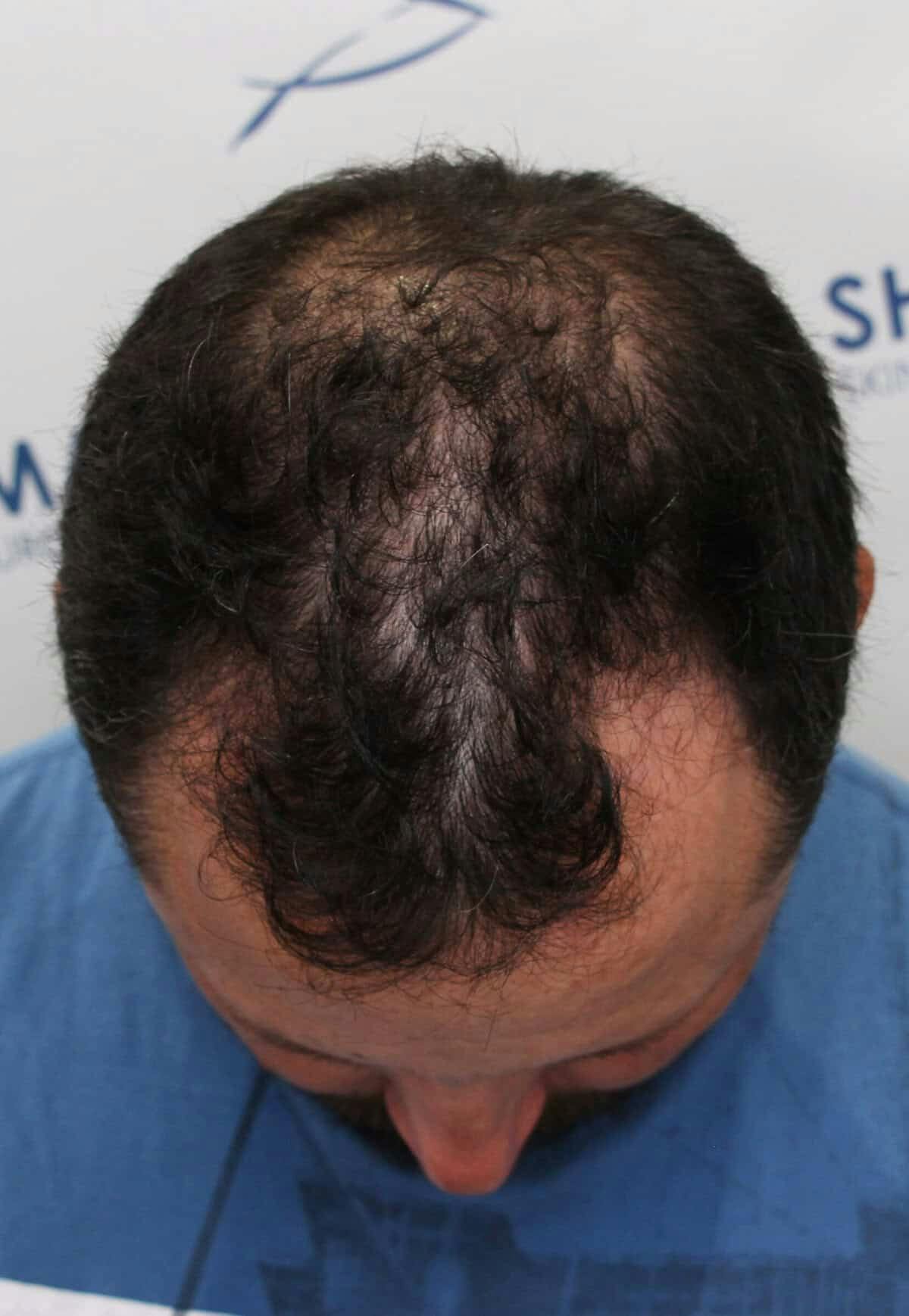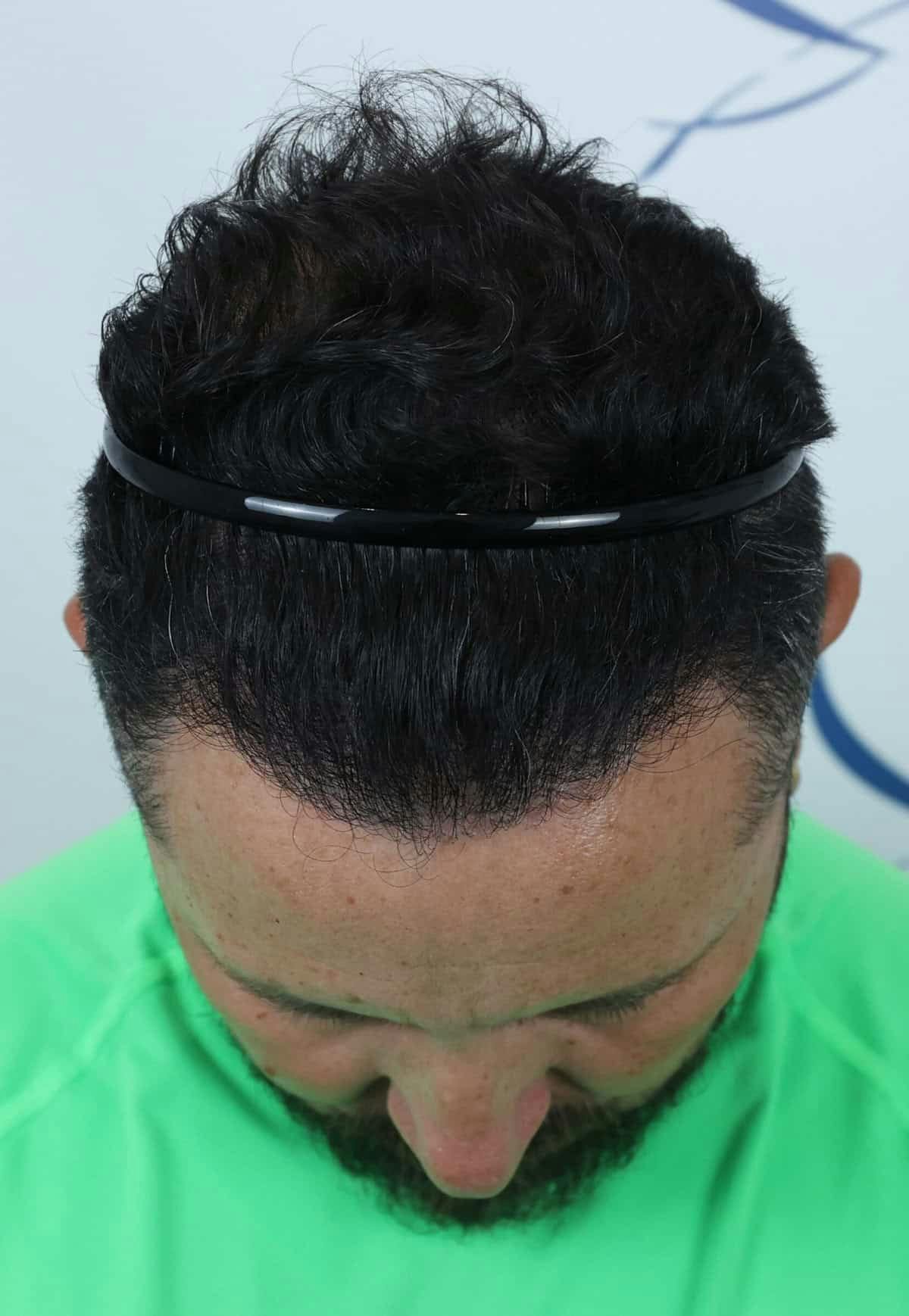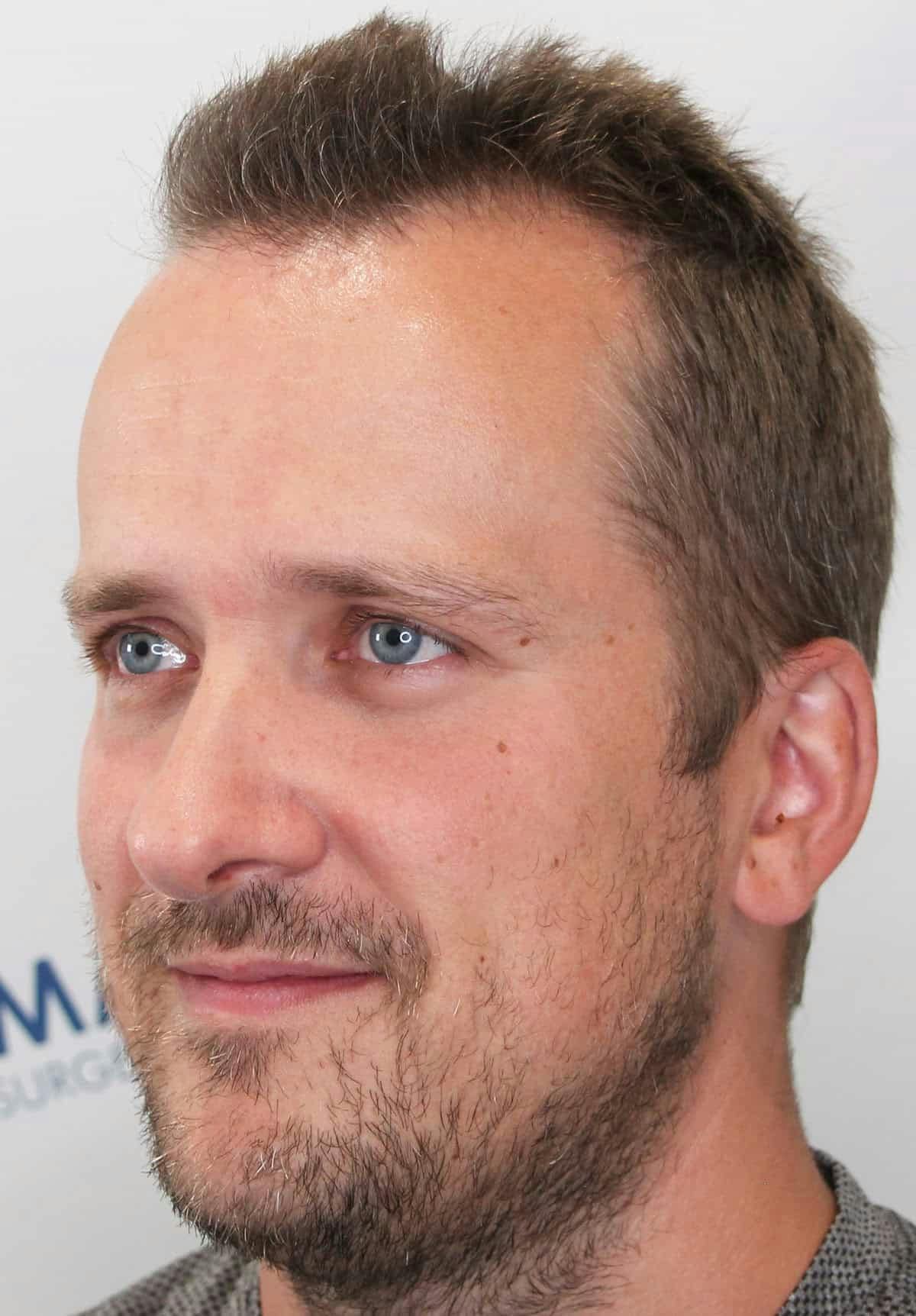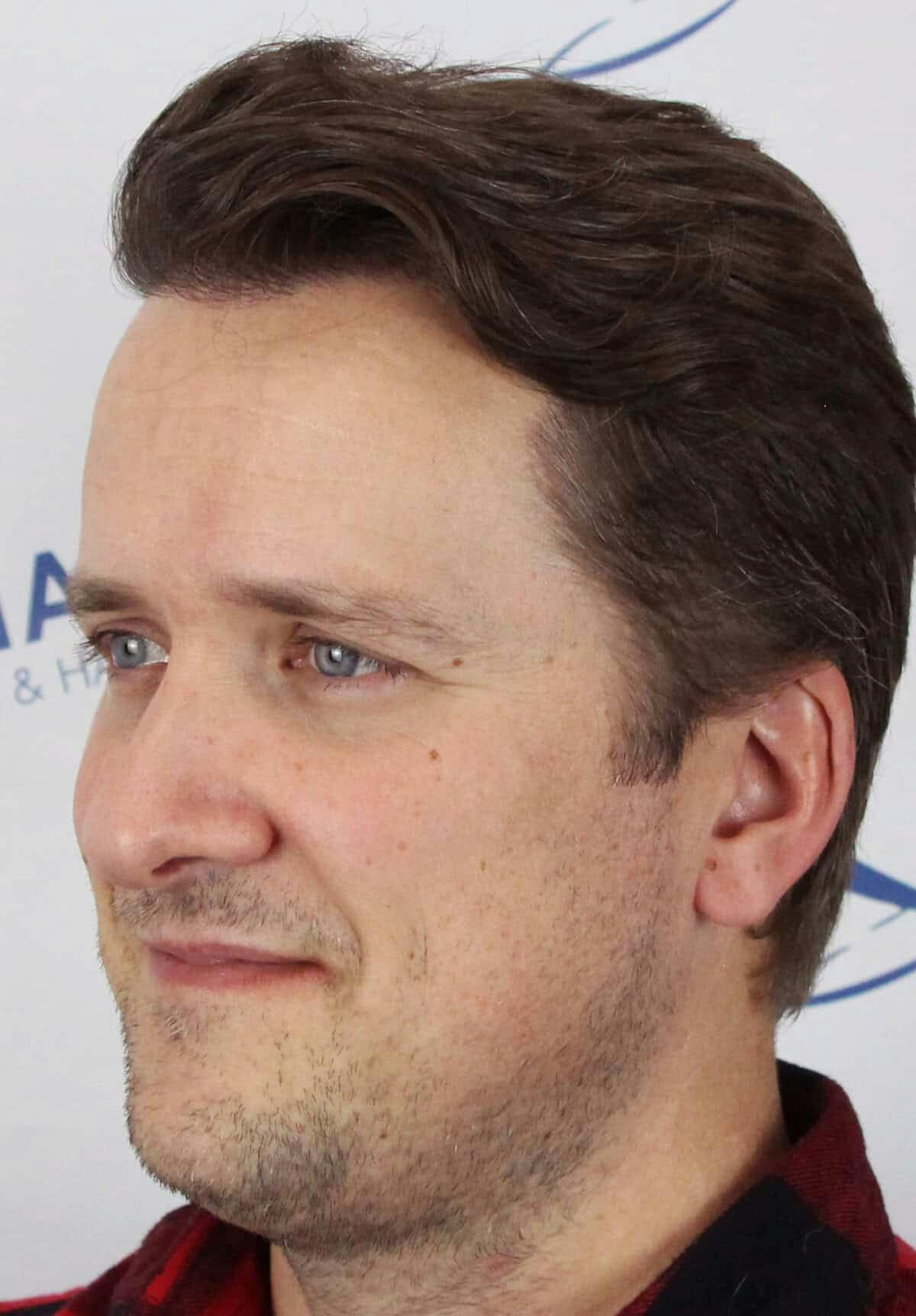
Why Patients Choose This Option

Most people considering a hair transplant aren't worried about the surgery itself—they're worried about what everyone will see afterward. A shaved head, even for a few weeks, isn't practical for someone who's client-facing at work, active on set, or simply not ready to explain a fresh haircut to friends and family. No-Shave and Long Hair FUE was developed for exactly this situation: it trades a small amount of surgical convenience for a much easier recovery to live with. This isn't a shortcut version of FUE, and it isn't offered as a default. It's a deliberate technical choice that Dr. Anil Sharma, our founder, makes case by case, based on your donor hair, your goals, and how much concealment you actually need.

How the Technique Differs From Standard FUE

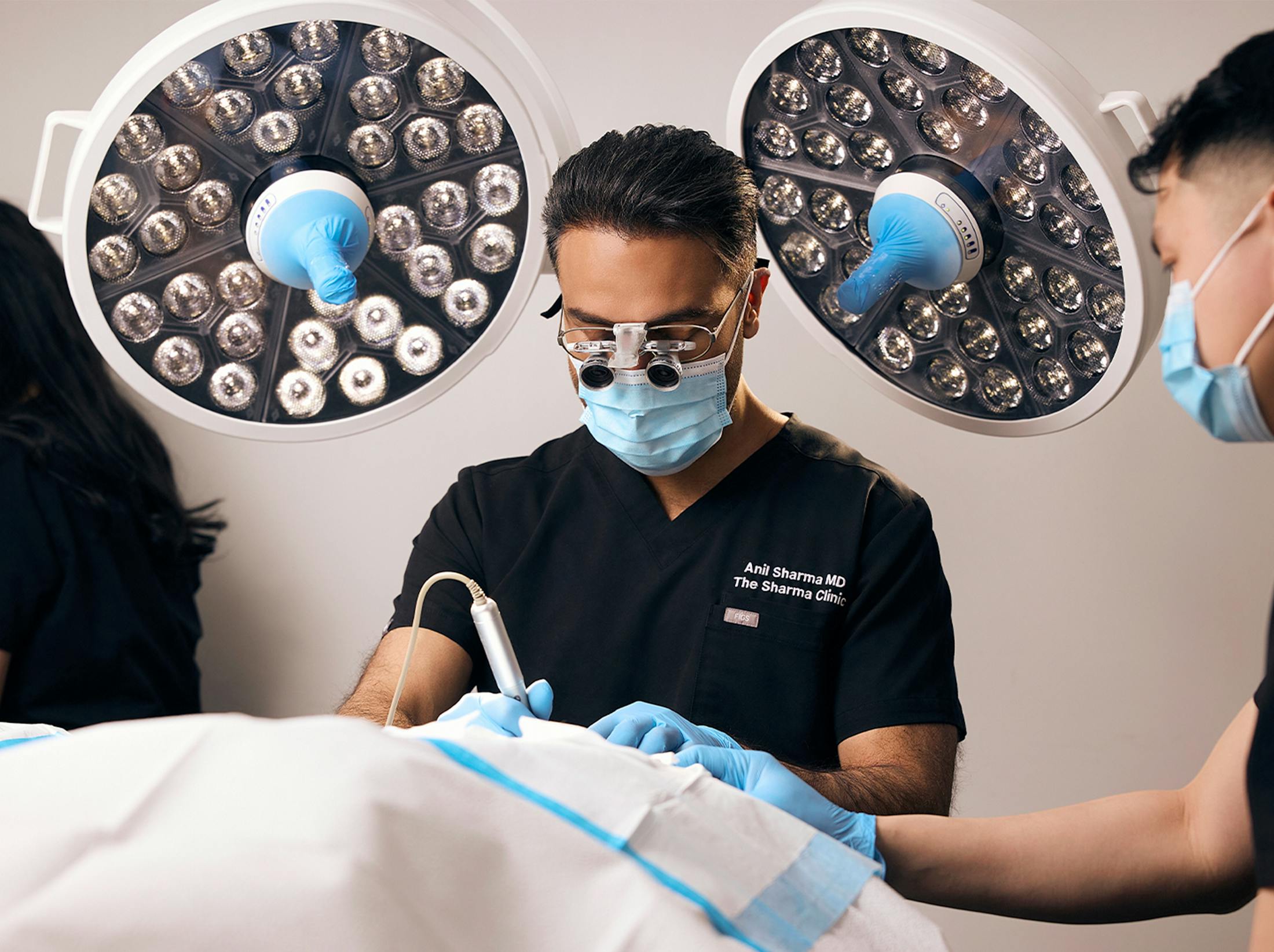
In a conventional FUE procedure, the donor area is clipped short so Dr. Sharma can see each follicle clearly before extracting it. No-Shave FUE removes that visual shortcut. Instead, Dr. Sharma works freehand through uncut hair, parting and lifting sections to expose individual follicular units one at a time, extracting each with a 0.6 to 0.7 mm manual punch, then letting the surrounding hair fall back into place to cover the site immediately.

Long Hair FUE applies the same idea on a larger scale: rather than shaving the whole donor zone, only the hair directly around each extraction point is managed, and the rest of your length stays untouched. The trade-off is time. Working around hair rather than through a cleared field roughly doubles the time per graft, which is why:

  • Sessions are typically capped at a lower graft count per visit than a standard shaved procedure
  • Larger cases are often planned across two appointments rather than one
  • Extraction is paced more conservatively to protect graft quality, since there's no room to rush when you can't see the full donor field at a glance

Banner media

What This Technique Doesn't Change

It's worth being upfront about what stays the same. Graft handling, storage, and placement follow the exact same protocols used in every procedure at our clinic: chilled HypoThermosol and ATP preservation, stereomicroscope inspection of each graft, and a first-out, first-in workflow that limits how long any follicle spends outside the body. No-Shave and Long Hair FUE changes how grafts are harvested, not how they're cared for, and not the quality of the result you should expect.

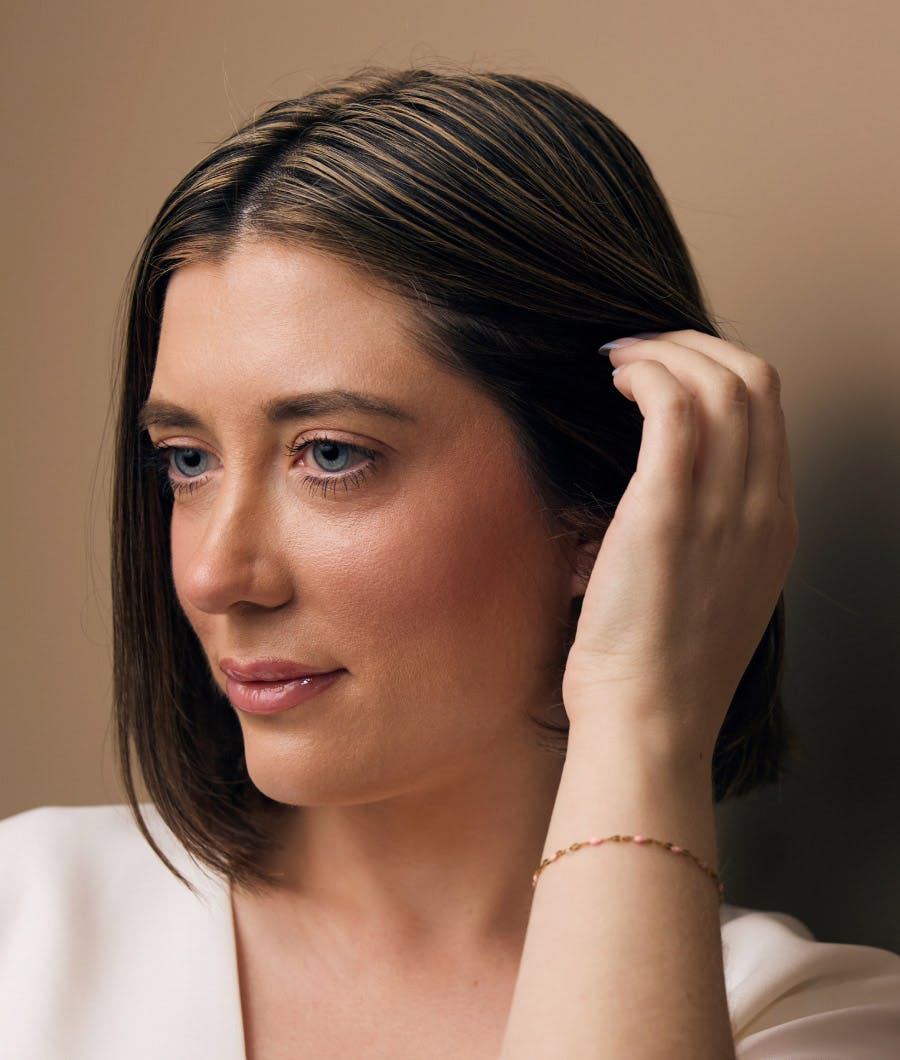
Woman touching her hair

What Results Look Like Over Time

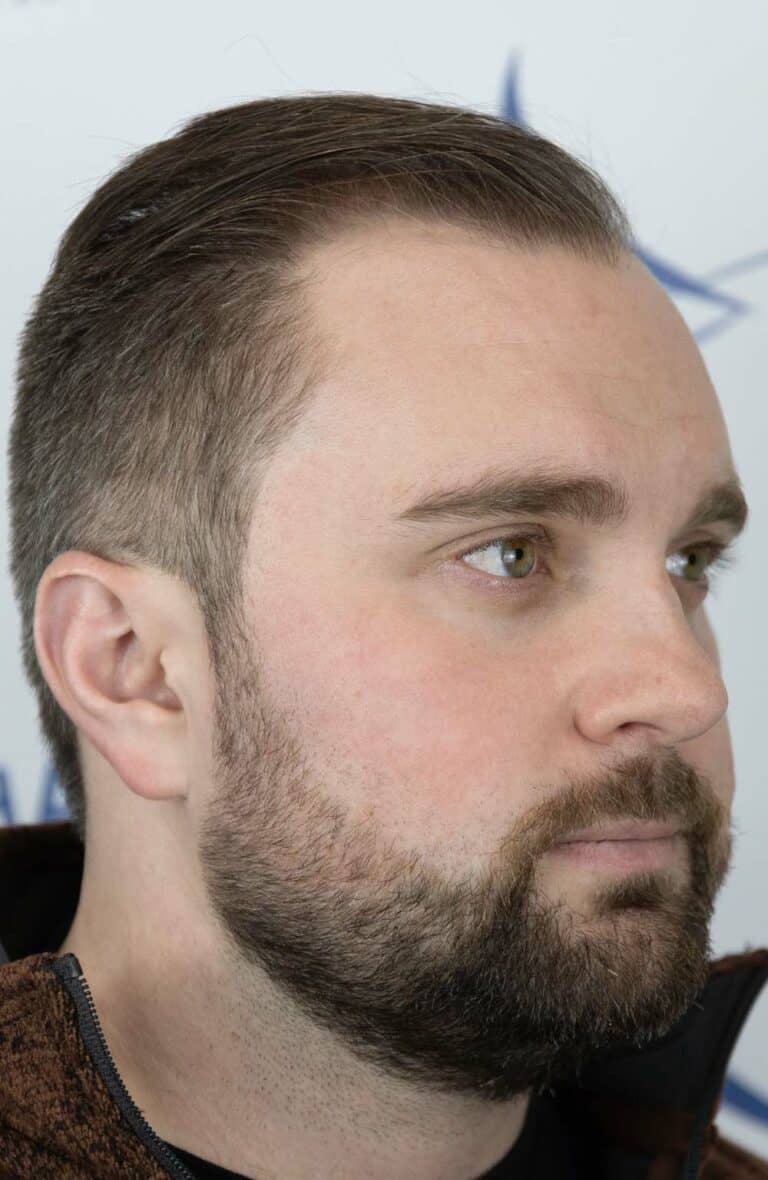
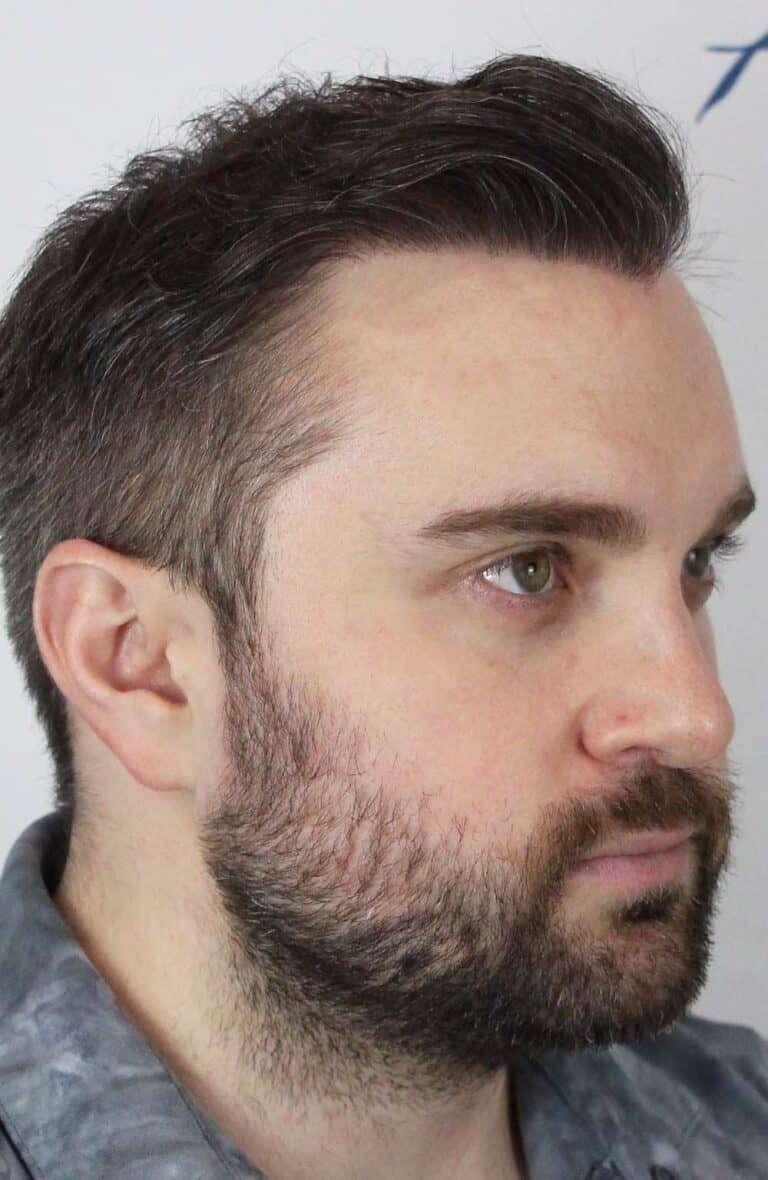
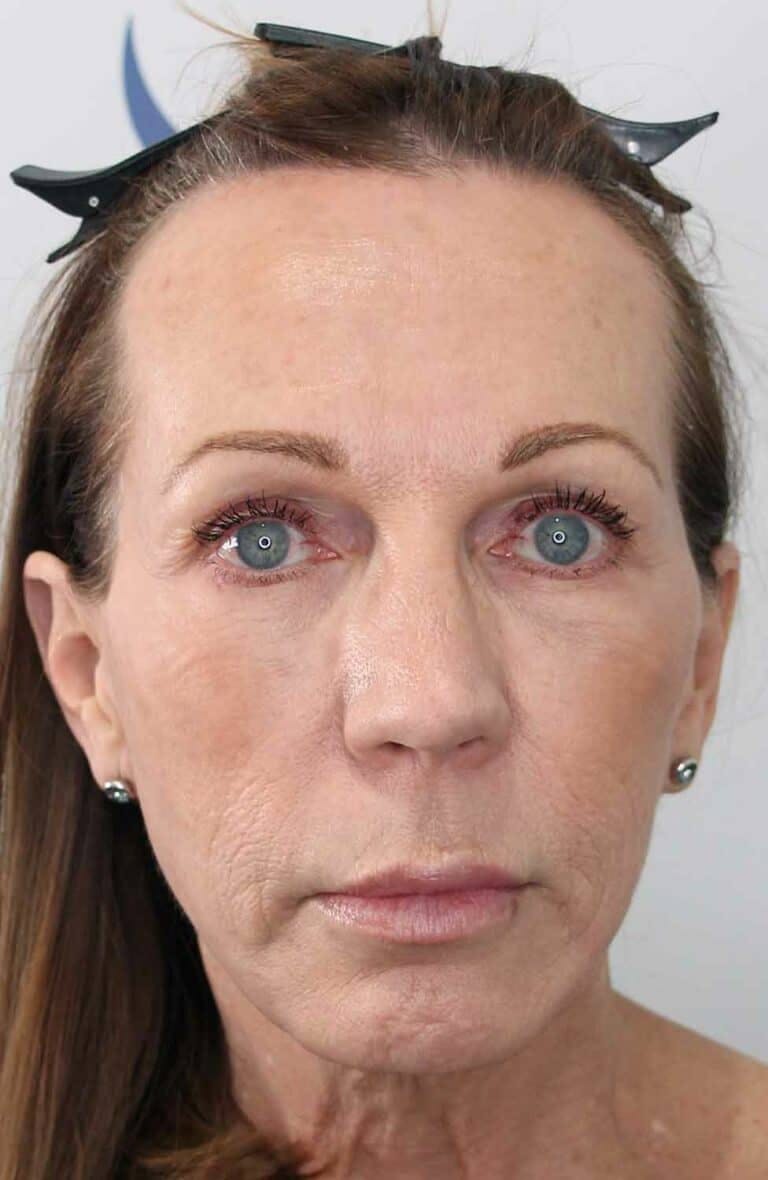
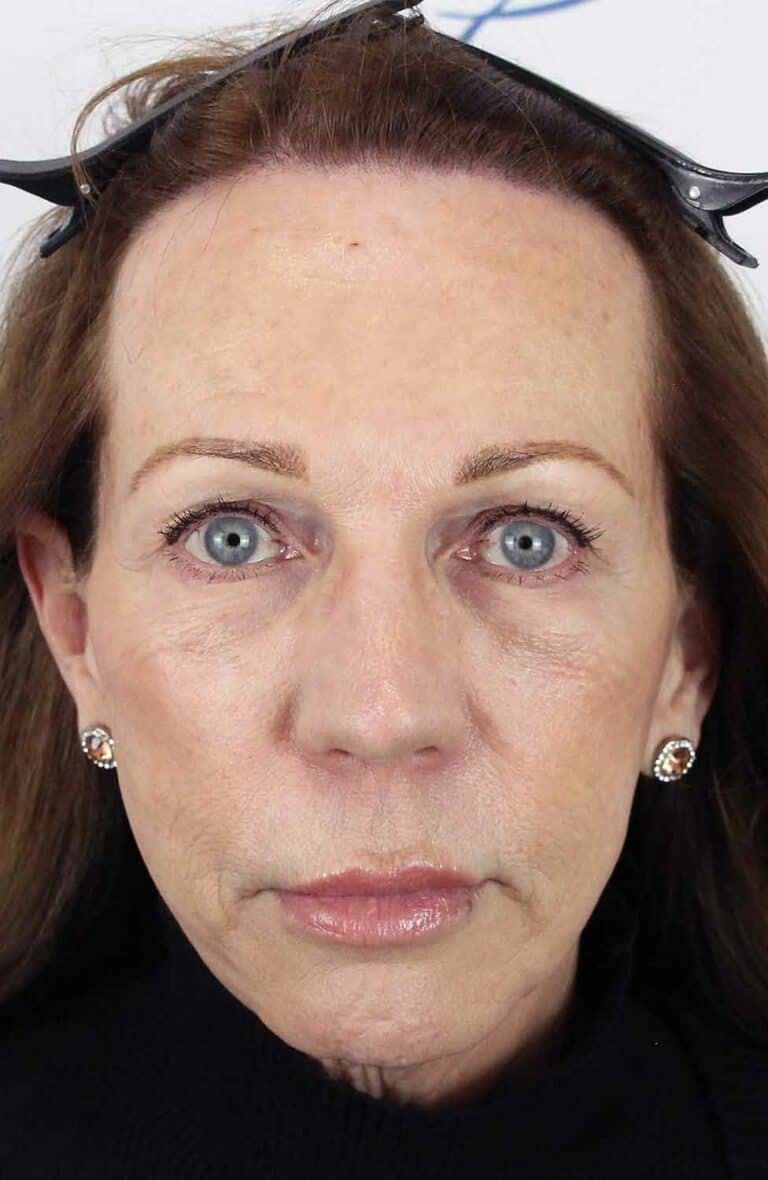
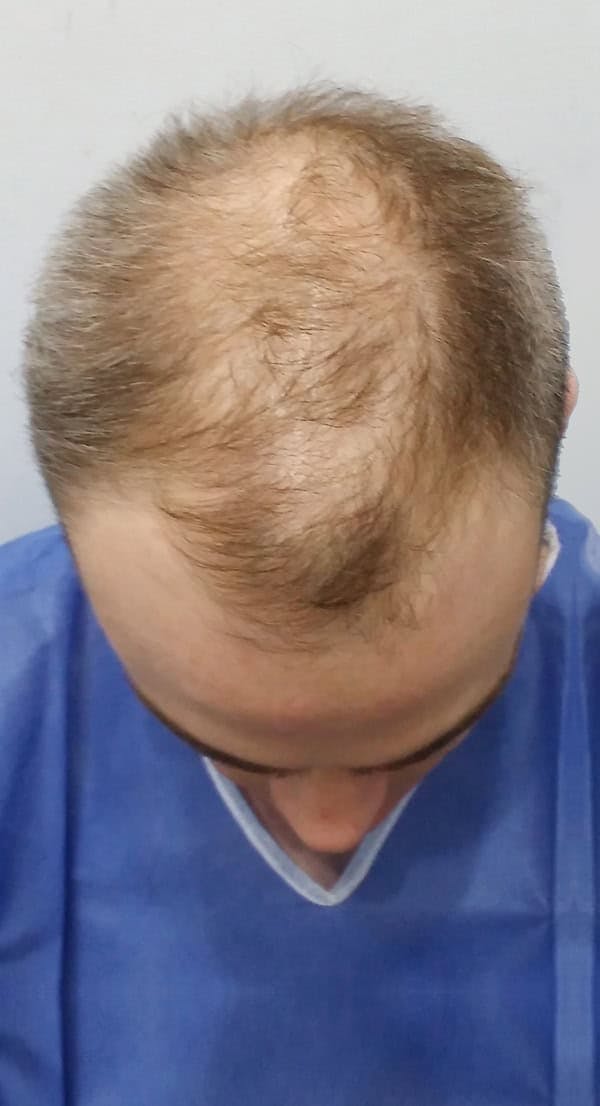
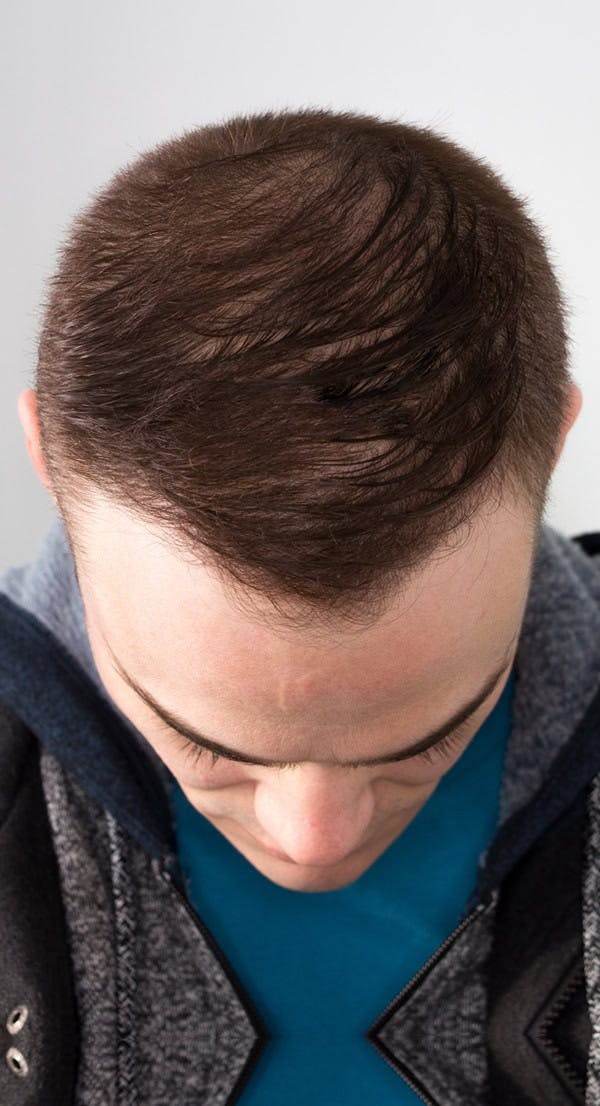
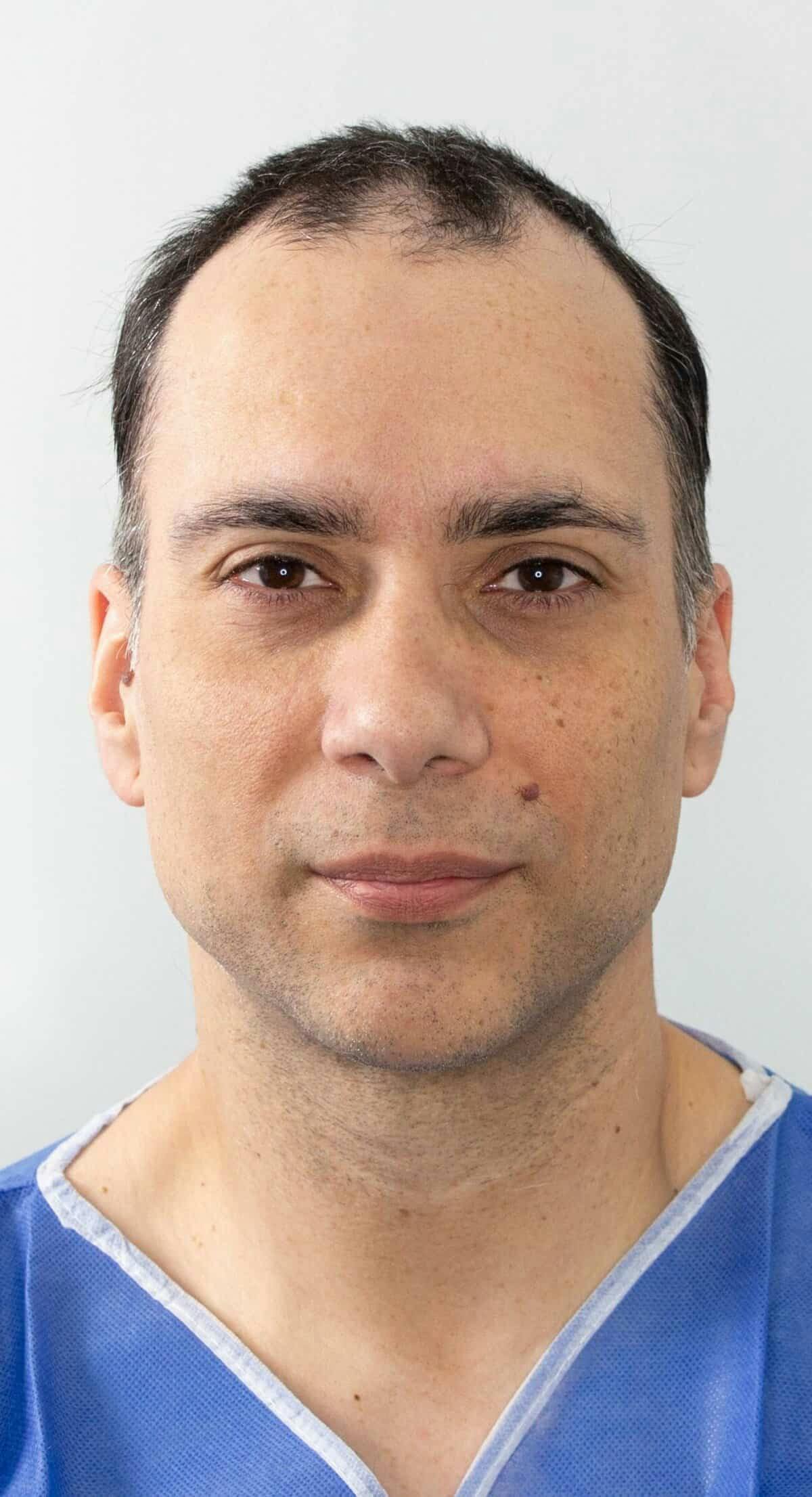
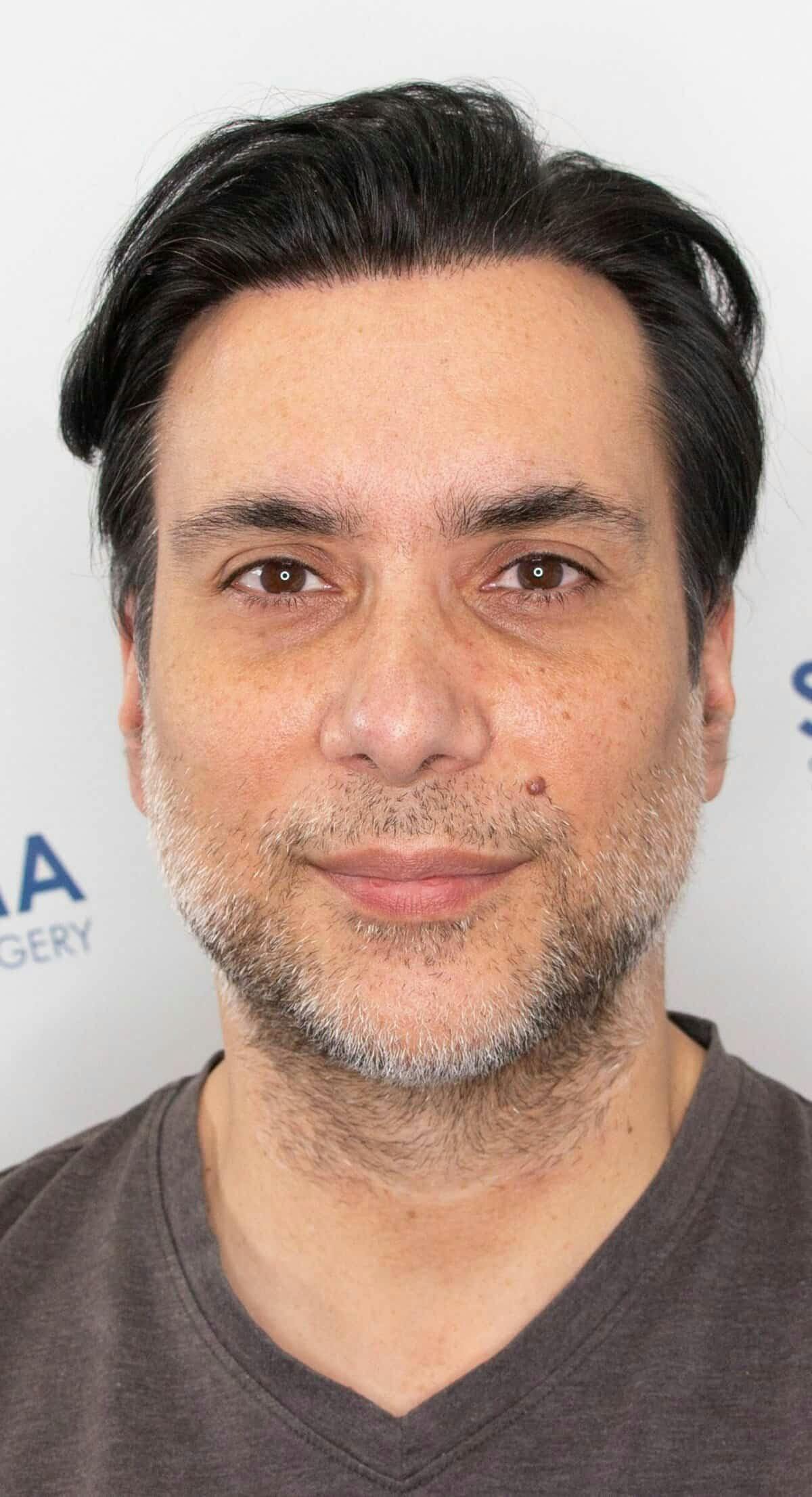
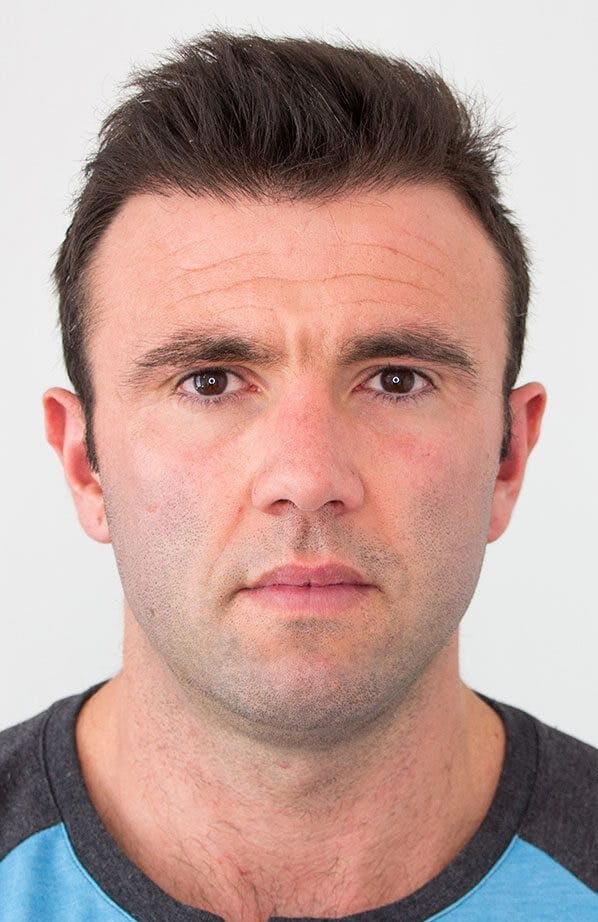
Growth follows the same biological timeline as any FUE transplant: expect the first visible regrowth around three months, roughly half your final density by six months, and full results by 12 to 18 months.

The difference is what happens in between — because donor and recipient areas were never fully shaved, there's no awkward growing-out phase to manage, just a gradual thickening of hair that was never dramatically shorter to begin with.

Your Procedure, Step by Step

Consultation and Mapping

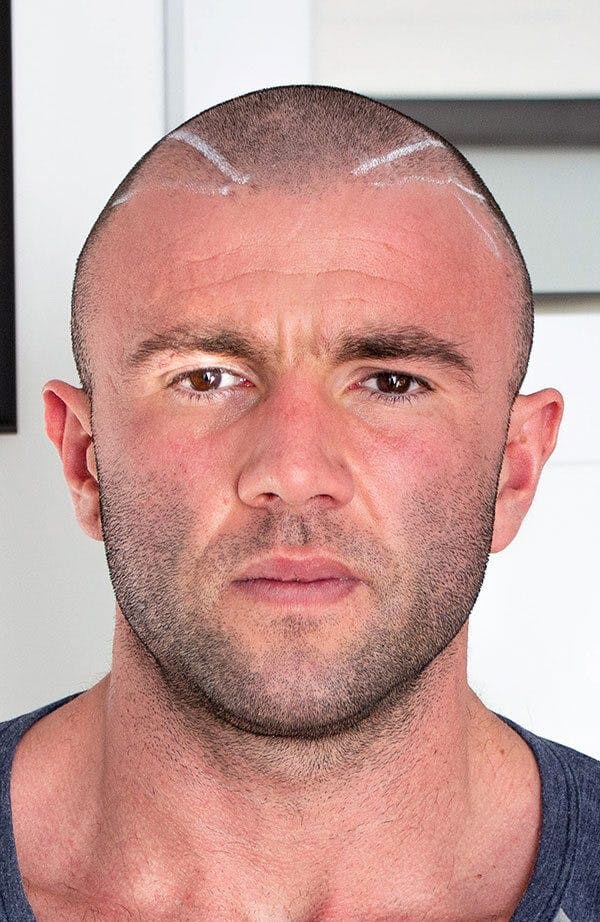
Before your surgery date, Dr. Sharma evaluates your donor density with TrichoScan imaging and discusses how much of your hair you'd like left untouched. This is also when he'll flag if a small trim (rather than a full shave) is needed in specific spots to give him a clean view for the more technically demanding extractions.

Anaesthesia

You'll be given local anaesthesia through nerve blocks at the supraorbital, supratrochlear, and temporal zones, combining a fast-acting agent with a longer-lasting one for comfort throughout. You remain awake for the full procedure, with breaks available whenever you need them.

Extraction Through Existing Hair

This is where No-Shave FUE demands the most from the surgeon. Dr. Sharma sections and lifts hair to expose one follicular unit at a time, extracting it with the same 0.6 to 0.7 mm manual punch used in any FUE case, matched to the follicle's natural exit angle. No motorised or robotic tools are used. Because the surrounding hair immediately covers each site, there's little visual evidence of the extraction once a section is released.

Placement

Where the recipient area also remains unshaved, incisions are made between existing strands rather than into a cleared scalp, following the natural direction and curvature of your hair so new growth doesn't look layered on top of old. Epinephrine is used to firm the tissue and control bleeding during this stage.

Doctor media

The Canadian Hair Transplant Centre Difference

No-Shave FUE is technically demanding enough that many clinics avoid offering it, or hand it off to technicians working from a template. That's not how we operate. Every extraction, every incision, and every graft placement in your procedure is performed personally by Dr. Sharma, a decision we consider especially important here, since there's no shaved field to fall back on if an extraction goes off-plan. Our facility is approved by the College of Physicians and Surgeons of Alberta (CPSA), and our protocols follow the standards set by the International Society of Hair Restoration Surgery (ISHRS). Dr. Sharma is CPSA-licensed and trained in France, Italy, and the UK before founding this practice in Alberta.

Doctor background
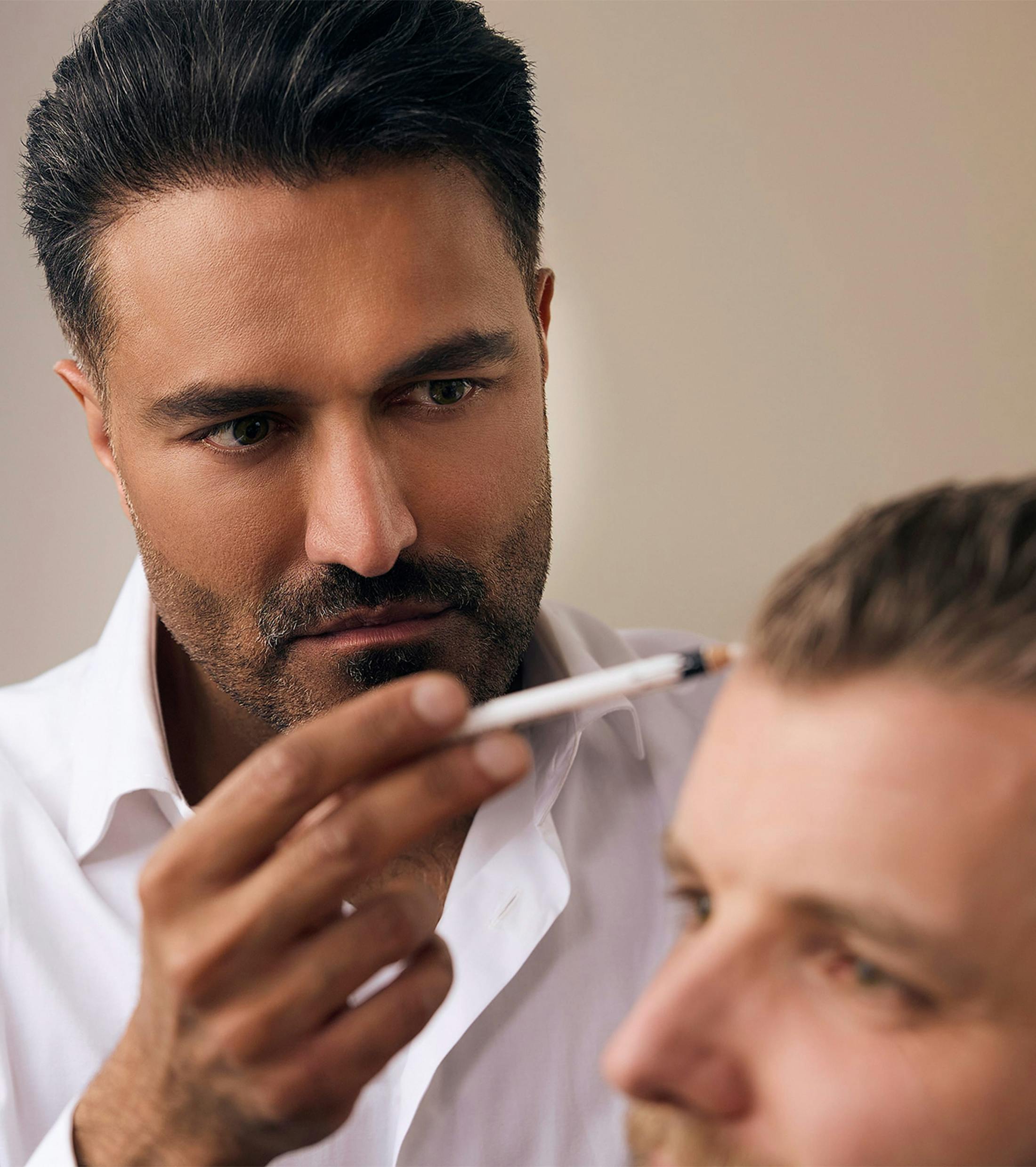
doctor marking a patient

Recovery When Nothing Looks Different

The biggest advantage of this technique shows up in the mirror during the first two weeks. Because your hair length hasn't changed, the scabbing and redness typical of any FUE procedure are tucked underneath hair that's still there, not exposed on a bare scalp. Most patients are comfortable returning to work and social plans within three to five days, and those small extraction-site scabs generally clear within about 10 days on their own. You'll still want to avoid direct sun and strenuous exercise for roughly a week to ten days, and we'll ask you to hold off on tight hats or hairstyles that put pressure on treated areas until swelling settles.

Ongoing Care

You'll leave your procedure with a recovery plan built around your specific hair length and donor plan, covering:

  • How to wash and style around treated areas without disturbing new grafts
  • Activity and sun exposure limits for the first week
  • Realistic timing for when you can return to your normal cut or colour routine
  • What's normal to see versus what to flag for us

Follow-up visits at our clinic let Dr. Sharma track graft take and monitor any thinning in areas that weren't treated this round, which matters most for patients planning a second session down the line.

No-Shave & Long Hair FUE Frequently Asked Questions

Is FUE suitable for women as well as men?

Yes. FUE is performed on both male and female patients at our Edmonton clinic. Female hair loss has distinct clinical characteristics, and candidacy is assessed individually using TrichoScan imaging and a full scalp evaluation.

How many grafts will I need for my FUE procedure?

Graft numbers are determined by TrichoScan imaging rather than visual estimation. We use proven technology to precisely map the area to be covered, and the recommended count reflects your anatomy and donor supply. Graft count alone does not determine the visual result; hair calibre, curl, and colour contrast also affect perceived density.

Can FUE be combined with other treatments?

Yes. Regenerative therapies such as platelet-rich plasma (PRP) or exosome treatment are often used alongside FUE to support scalp health and optimise healing conditions. Dr. Sharma will discuss whether a combination approach is appropriate during your consultation.

What is the no-shave FUE option?

No-shave FUE allows patients to keep surrounding hair at its current length, concealing the donor area during recovery. This approach takes additional procedure time and is typically split across two sessions. Not every patient is a clinical candidate for this option, and suitability is confirmed at consultation.

Will I need more than one FUE session?

Some patients achieve their goals in a single session. Others with more advanced hair loss or higher-density targets may benefit from a second procedure once the initial results have fully matured. Dr. Sharma plans every case with the donor supply's long-term capacity in mind to preserve the option for future sessions.

Schedule Your Surgical Consultation

Hair transplant surgery requires careful evaluation and planning. Schedule a consultation to determine if you are a candidate for FUE or FUT procedures. The assessment includes donor evaluation, recipient area analysis, and discussion of realistic outcomes based on your individual characteristics. For medical therapy options, consult with your primary physician or dermatologist.

Contact us media Contact us media
Accessibility: If you are vision-impaired or have some other disability covered by the Accessible Canada Act, provincial accessibility or human rights legislation, or a similar law, and you wish to discuss potential accommodations related to using this website, please contact our Accessibility Manager at (780) 476-7970.
Book Consultation