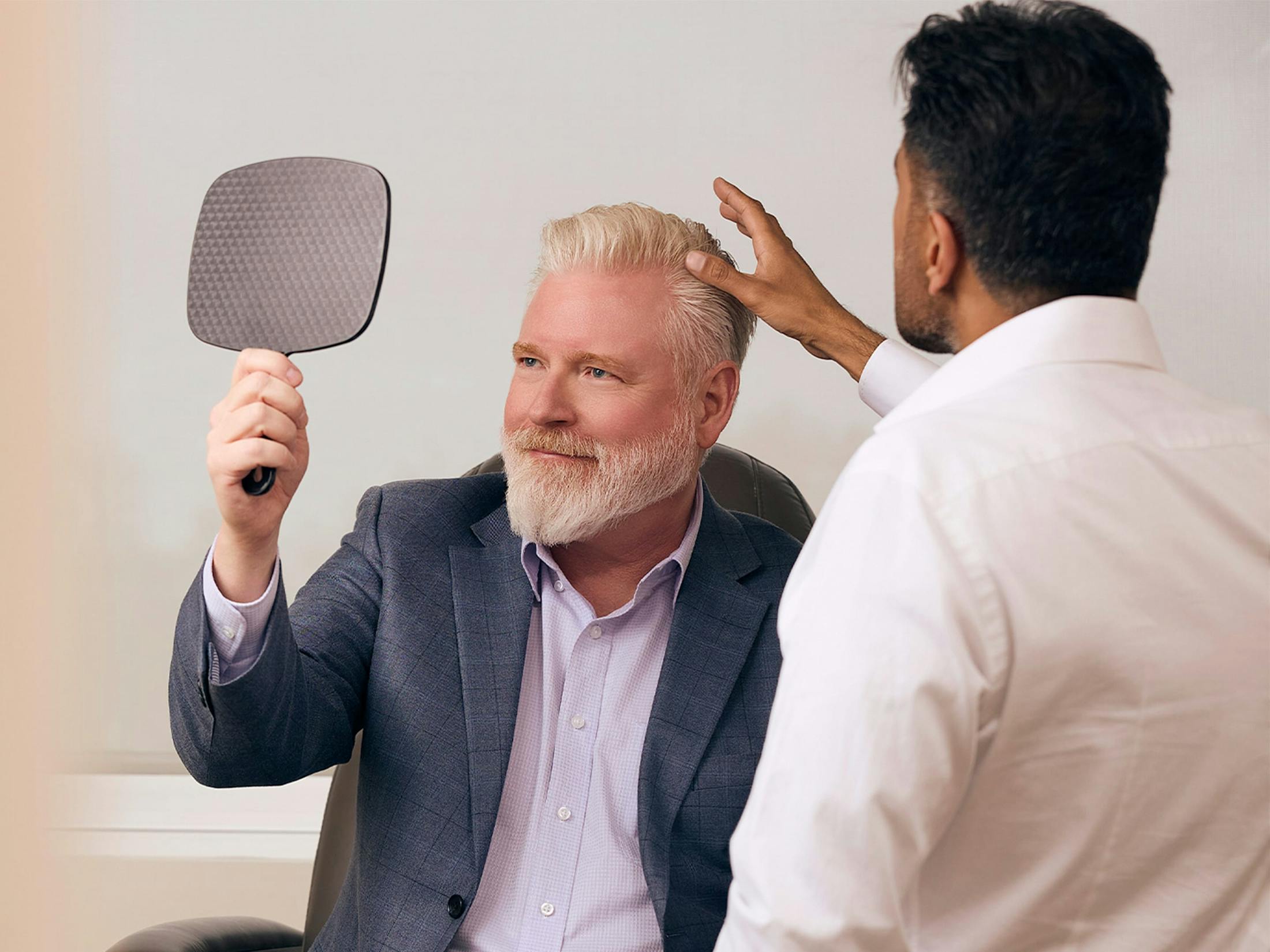
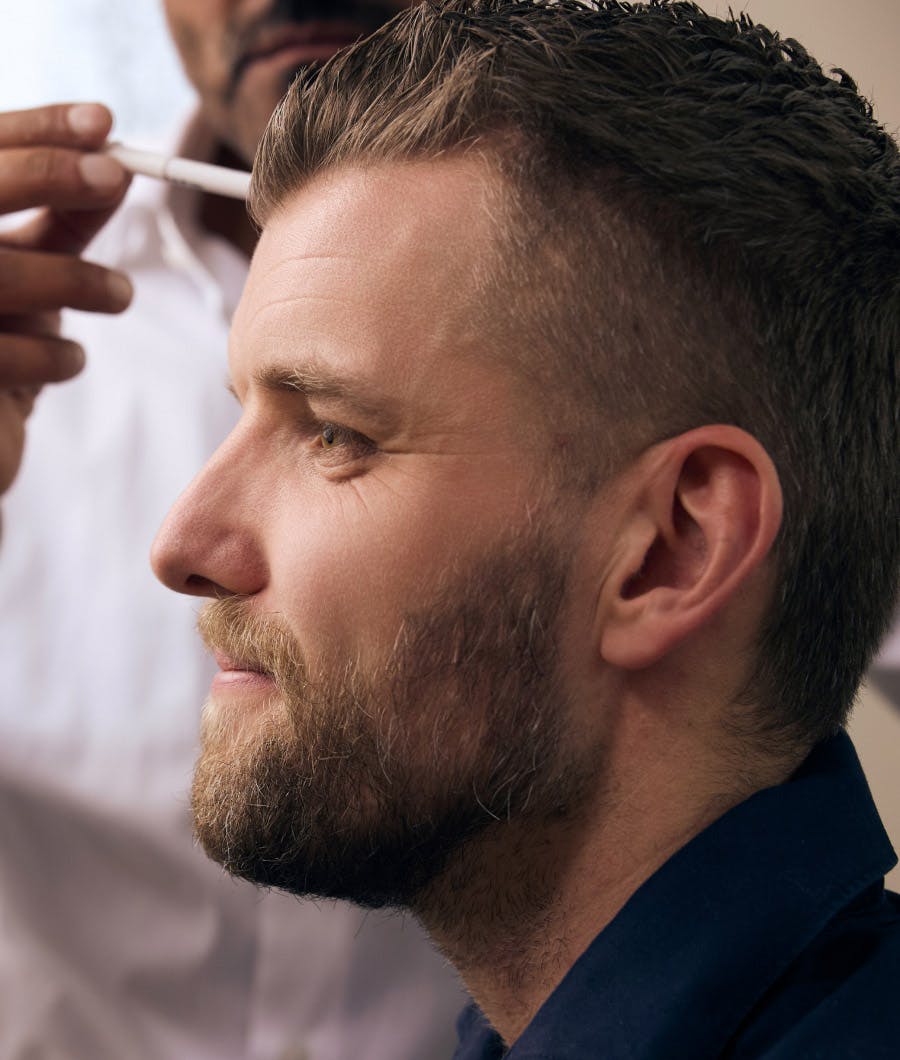
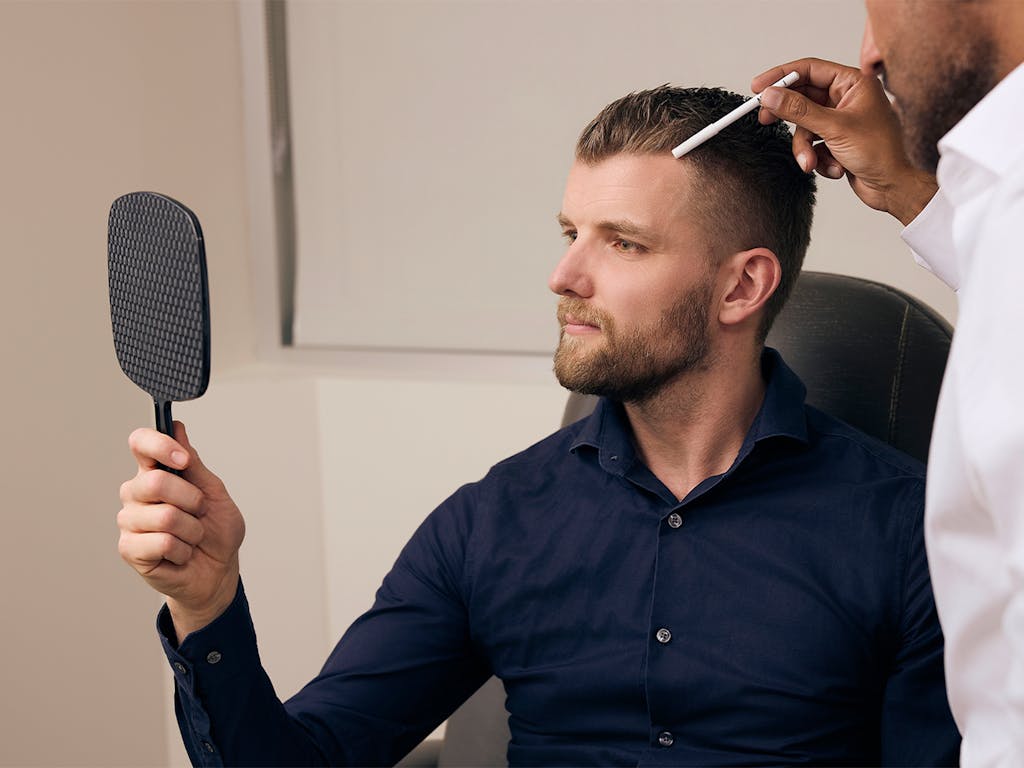
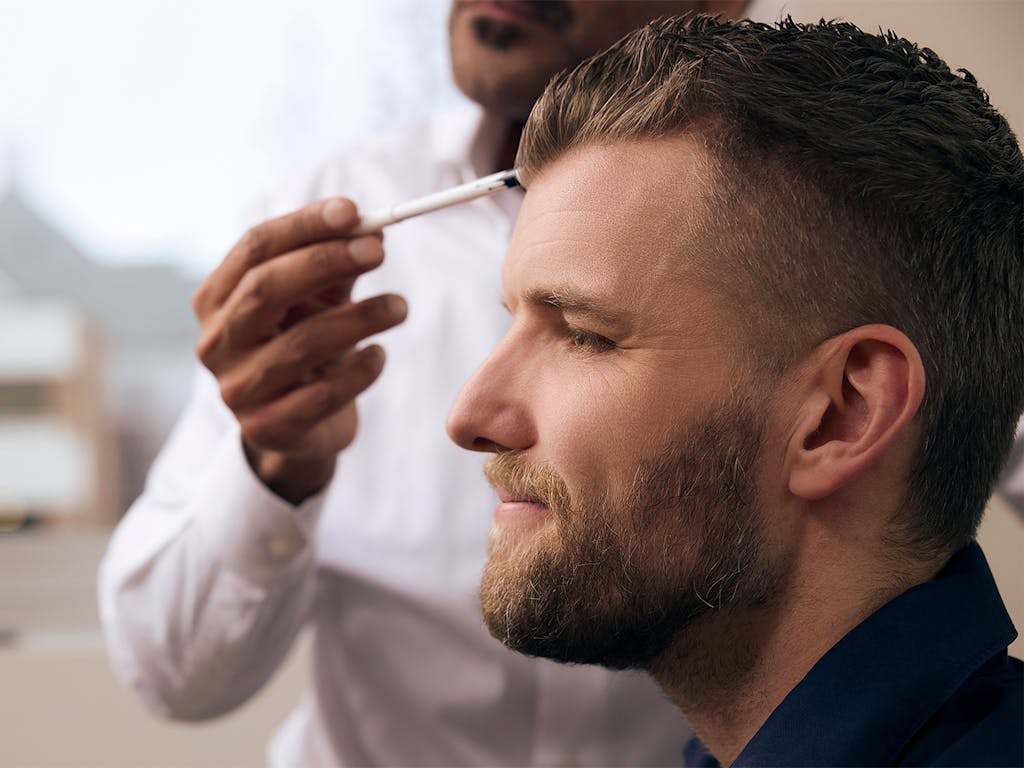
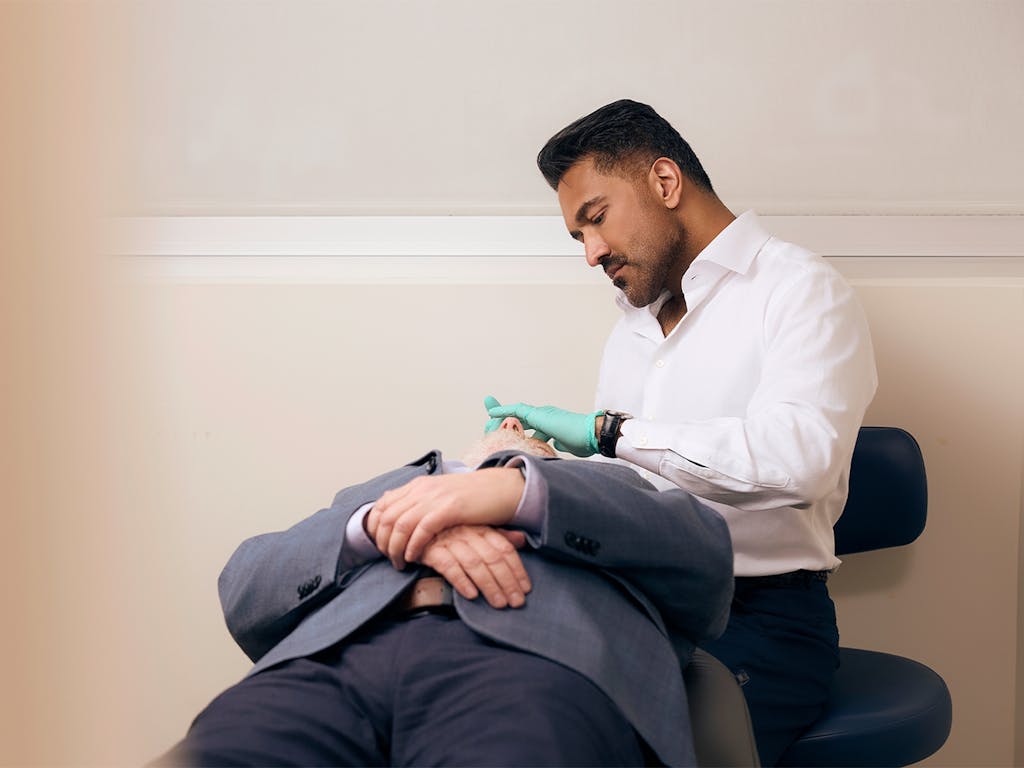
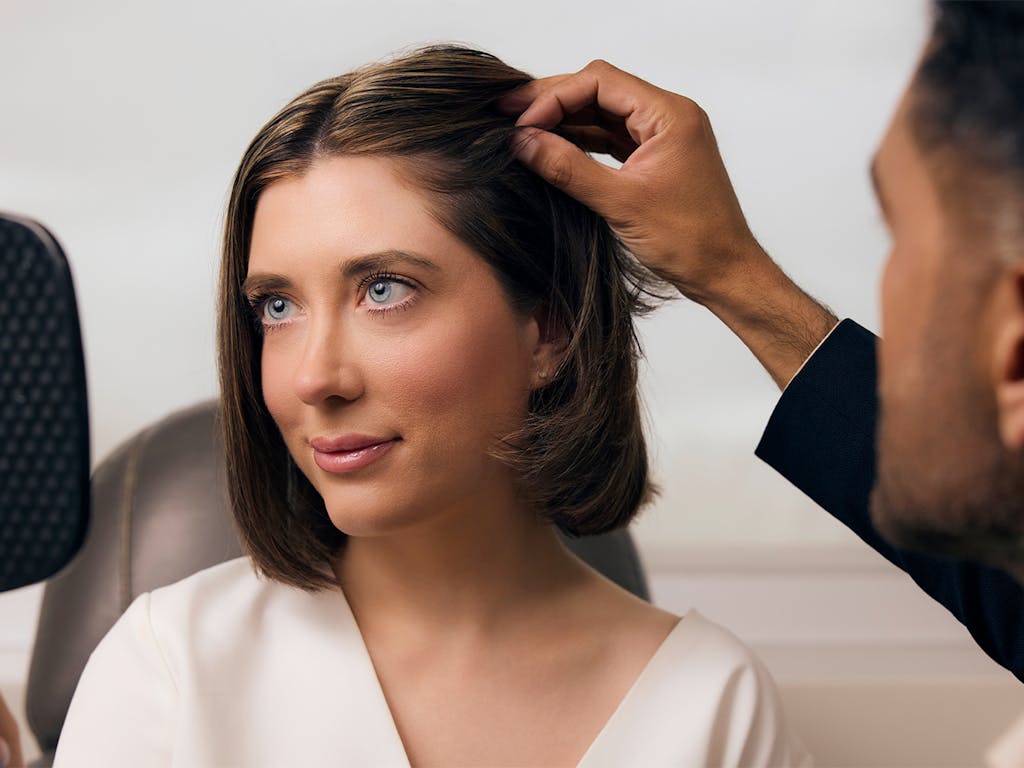
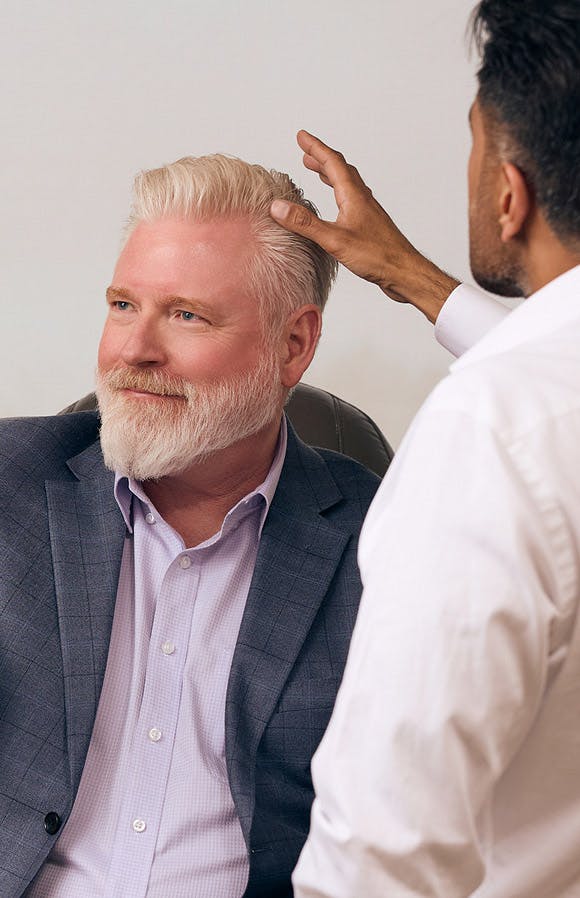
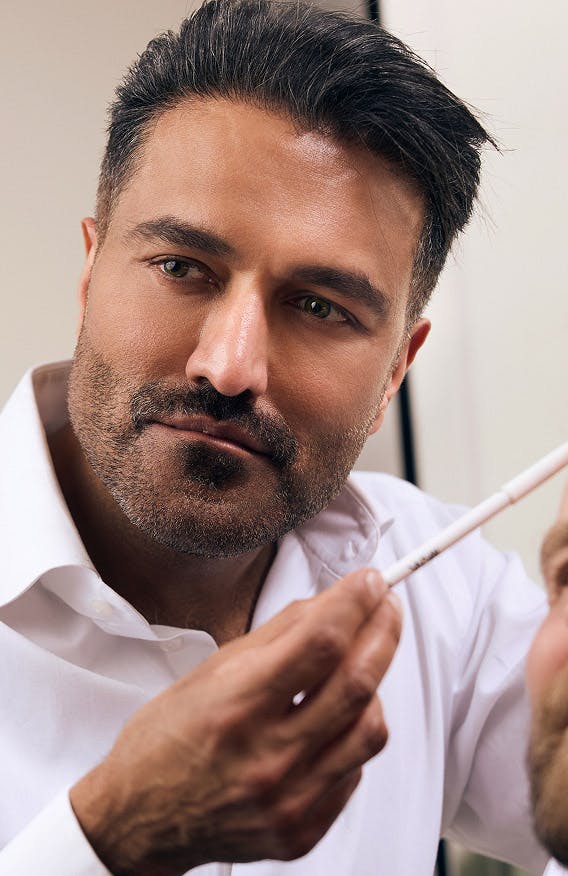
Restore your hairline and improve your quality of life with a comprehensive hair transplant. At the Canadian Hair Transplant Centre, we perform physician-led hair restoration surgery to help you achieve a full, healthy head of hair.
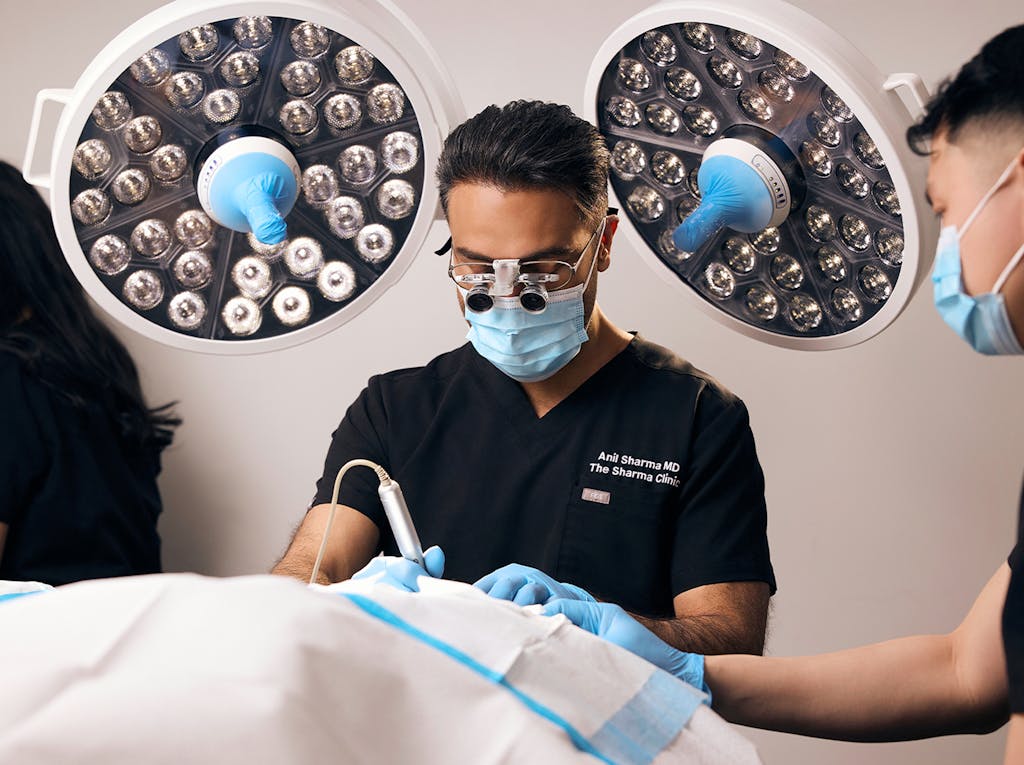
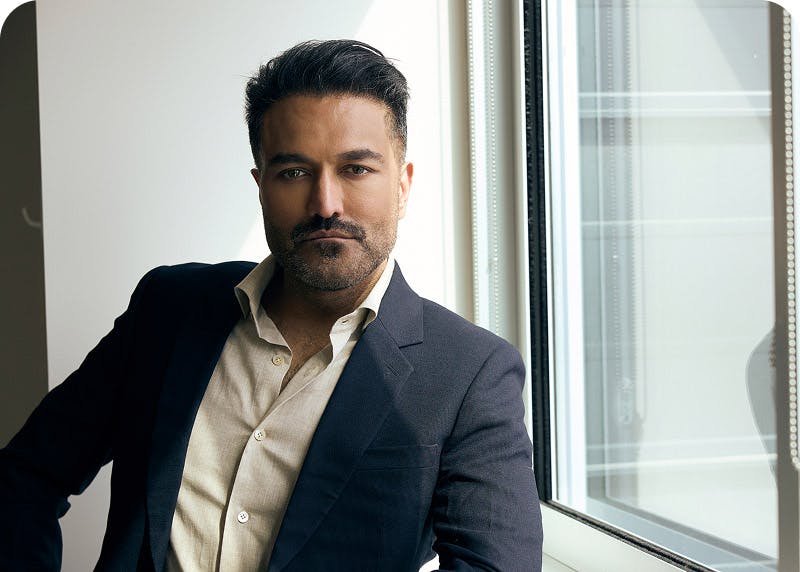
The Canadian Hair Transplant Centre provides both expert surgical and non-surgical hair restoration services, specializing in hair transplantation in Edmonton. Operating out of our CPSA-approved clinic, every procedure is planned using objective clinical data and performed directly by Dr. Anil Sharma, a licensed physician with over 15 years of specialized experience in hair restoration surgery.
What Is a Hair Transplant?
A hair transplant is a physician-performed surgical procedure in which viable, genetically stable follicles are relocated from a donor area at the back of the head to regions of thinning or baldness. Because these follicles retain their genetic resistance to hormone-induced shedding after relocation, your results will be permanent. Our goal is to provide patients with a natural-looking improvement in hair density, coverage, and overall appearance.
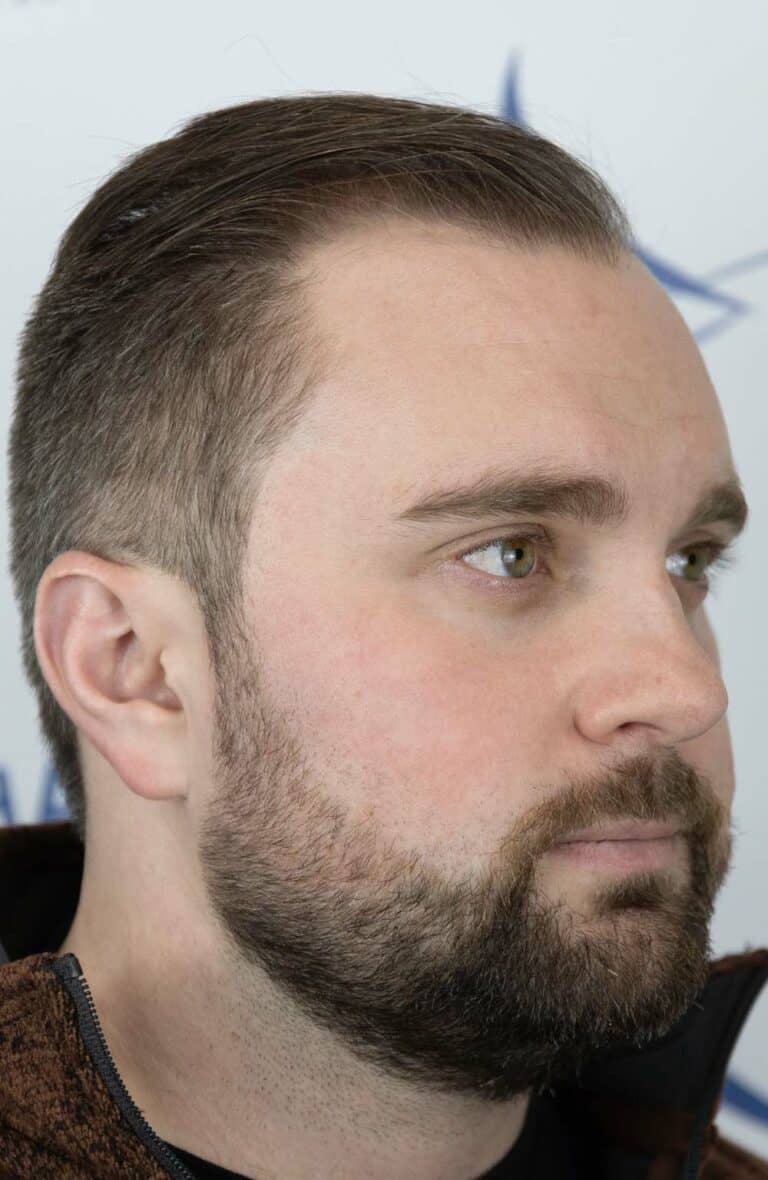
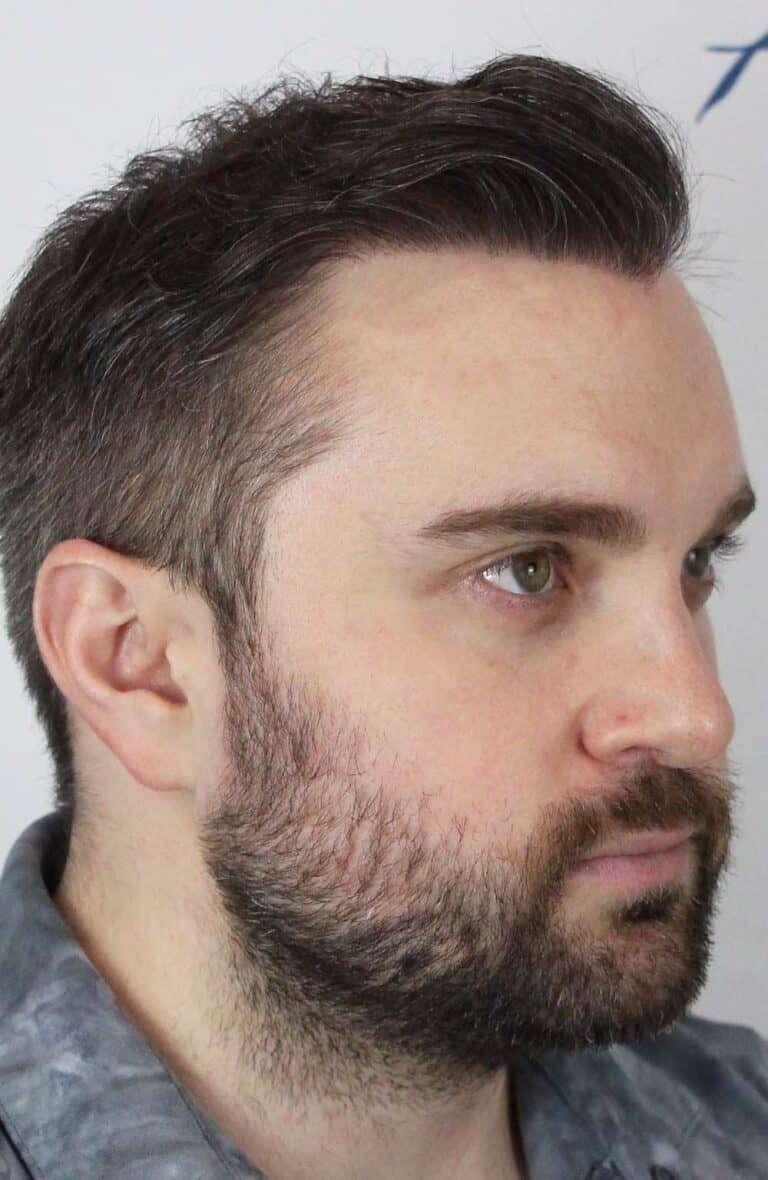
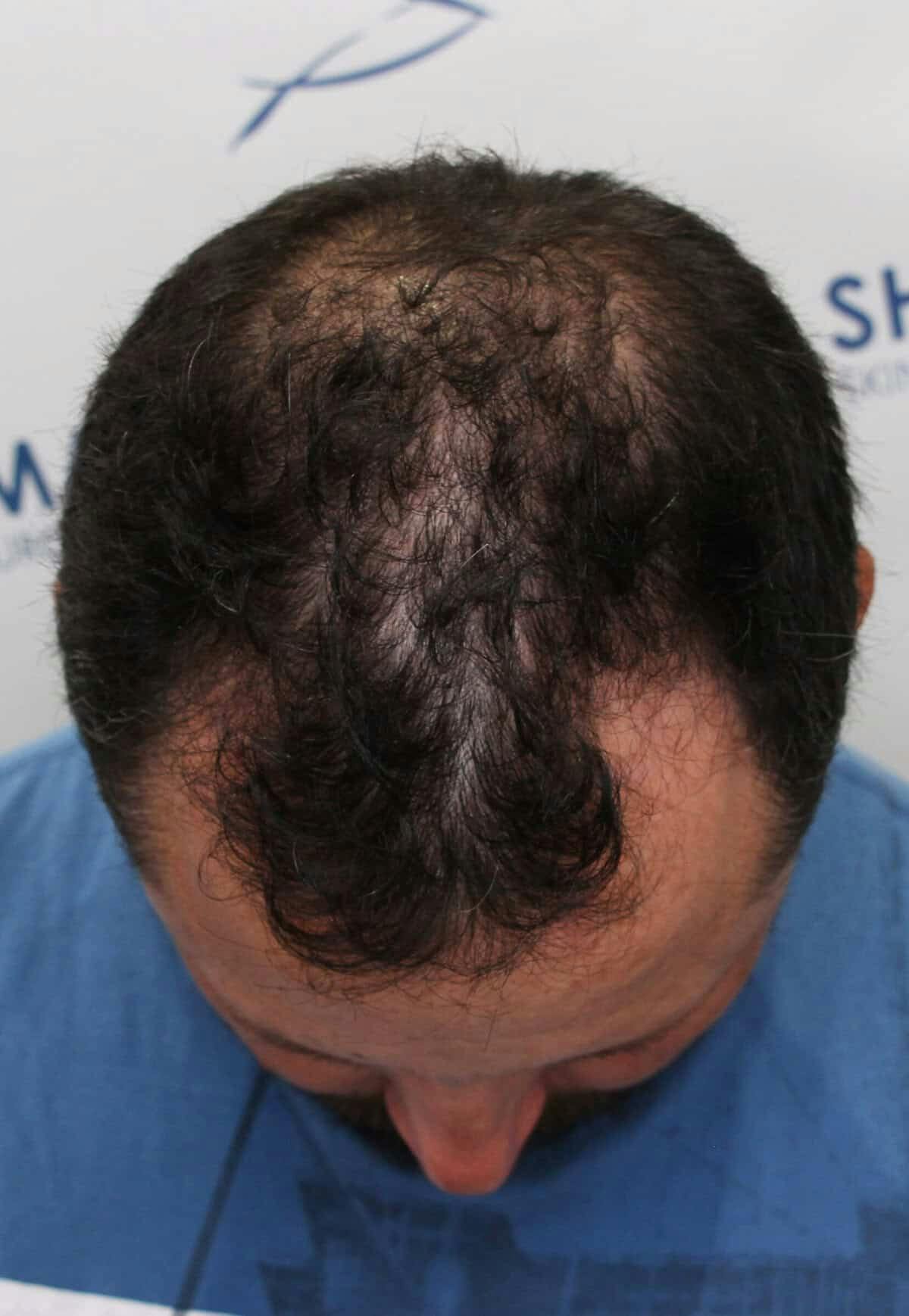
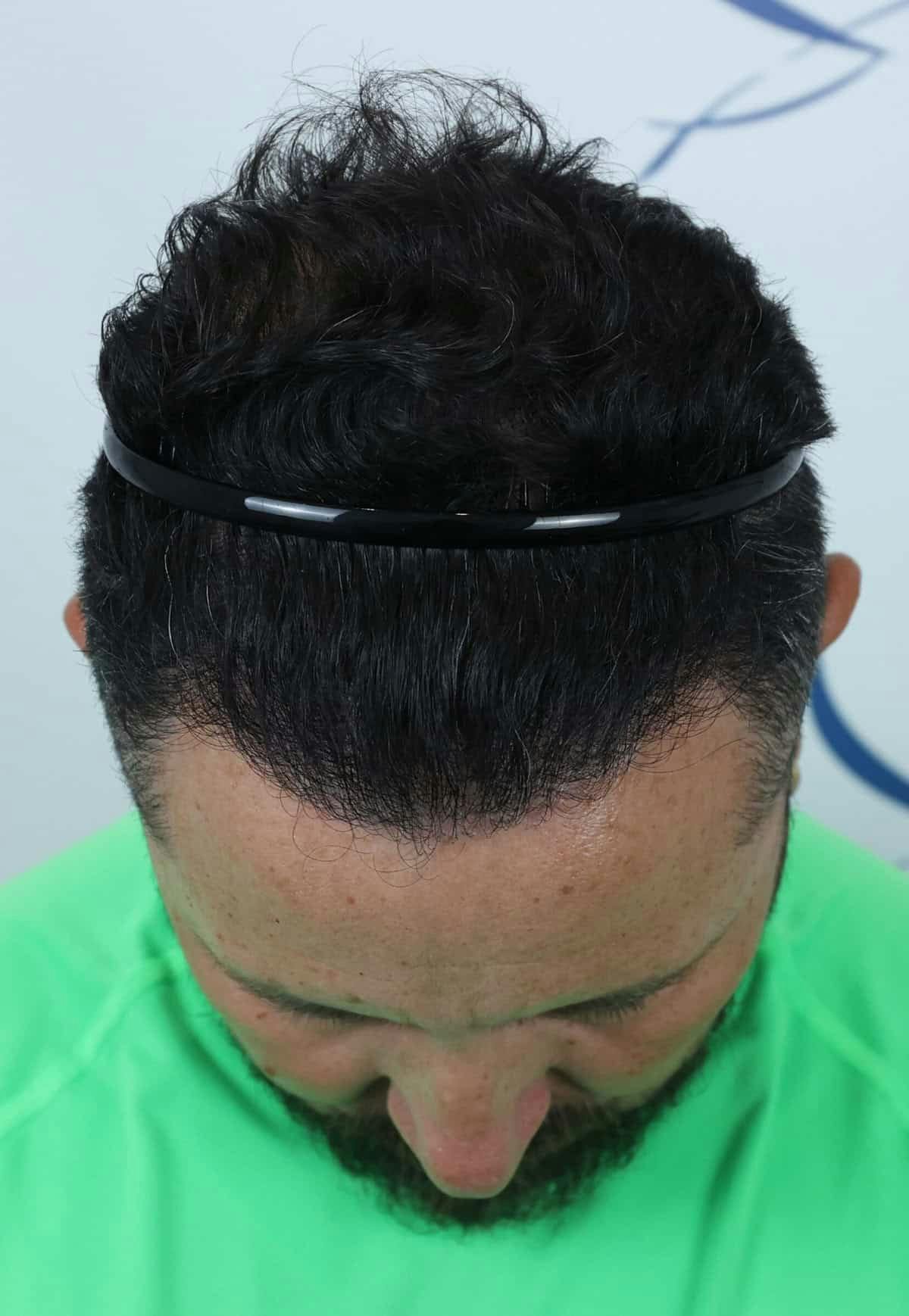
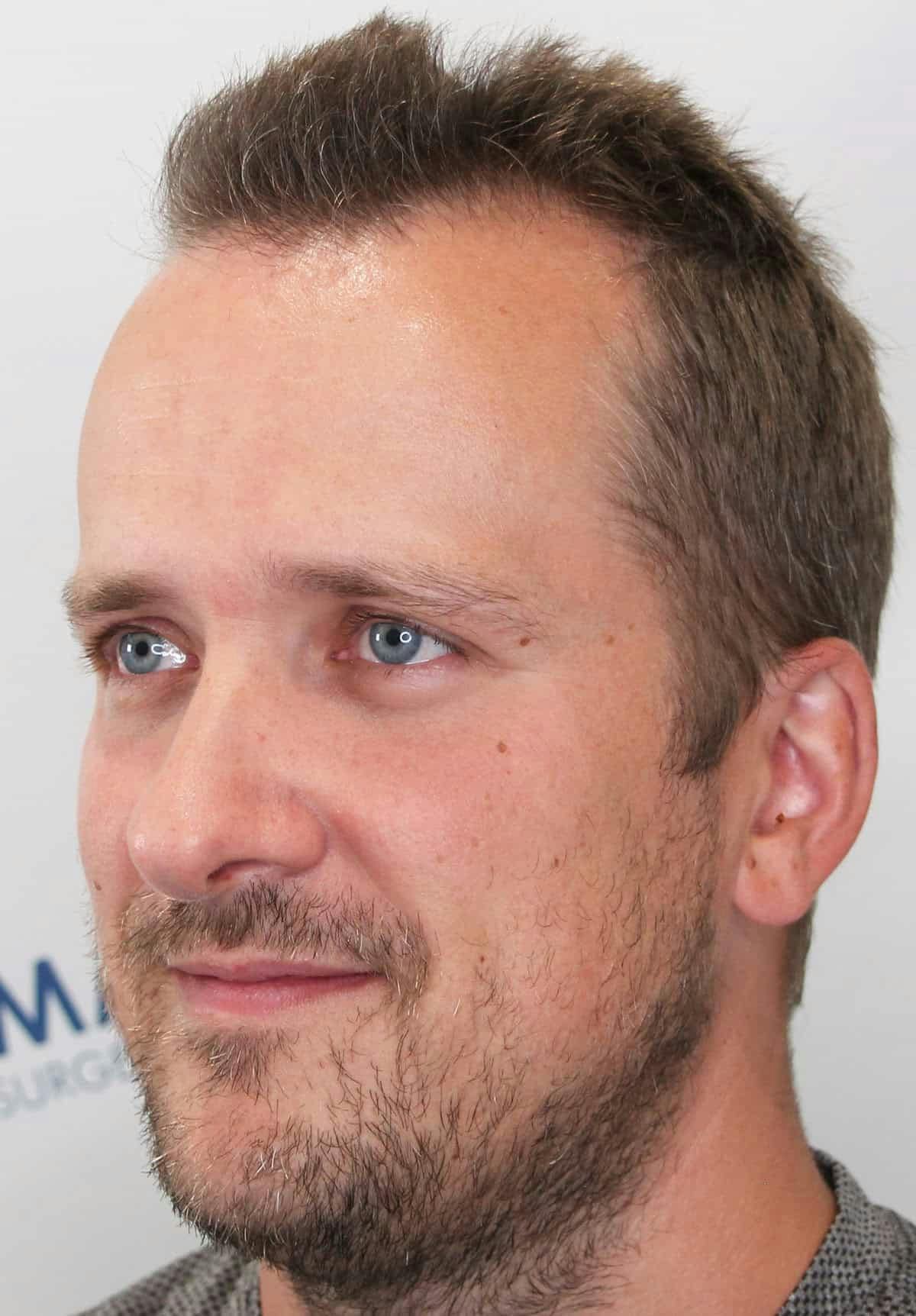
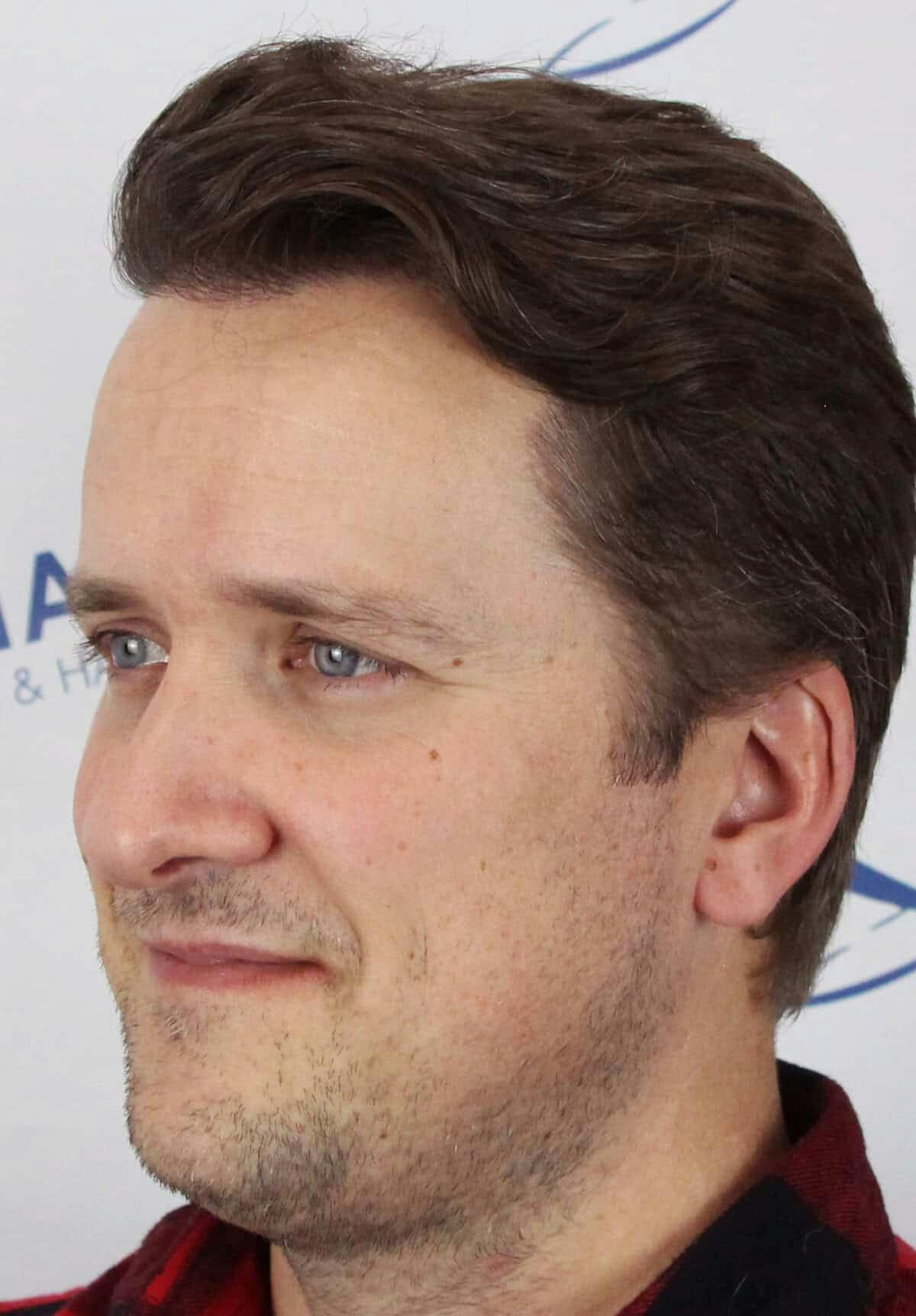
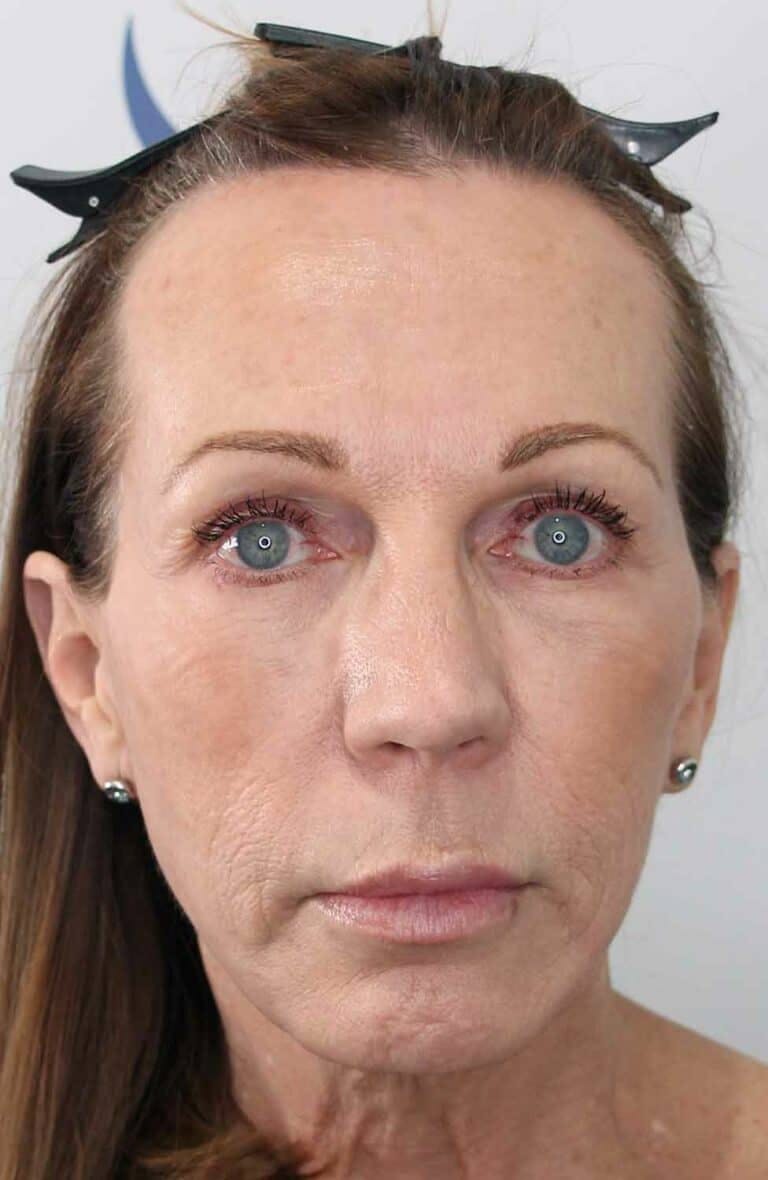
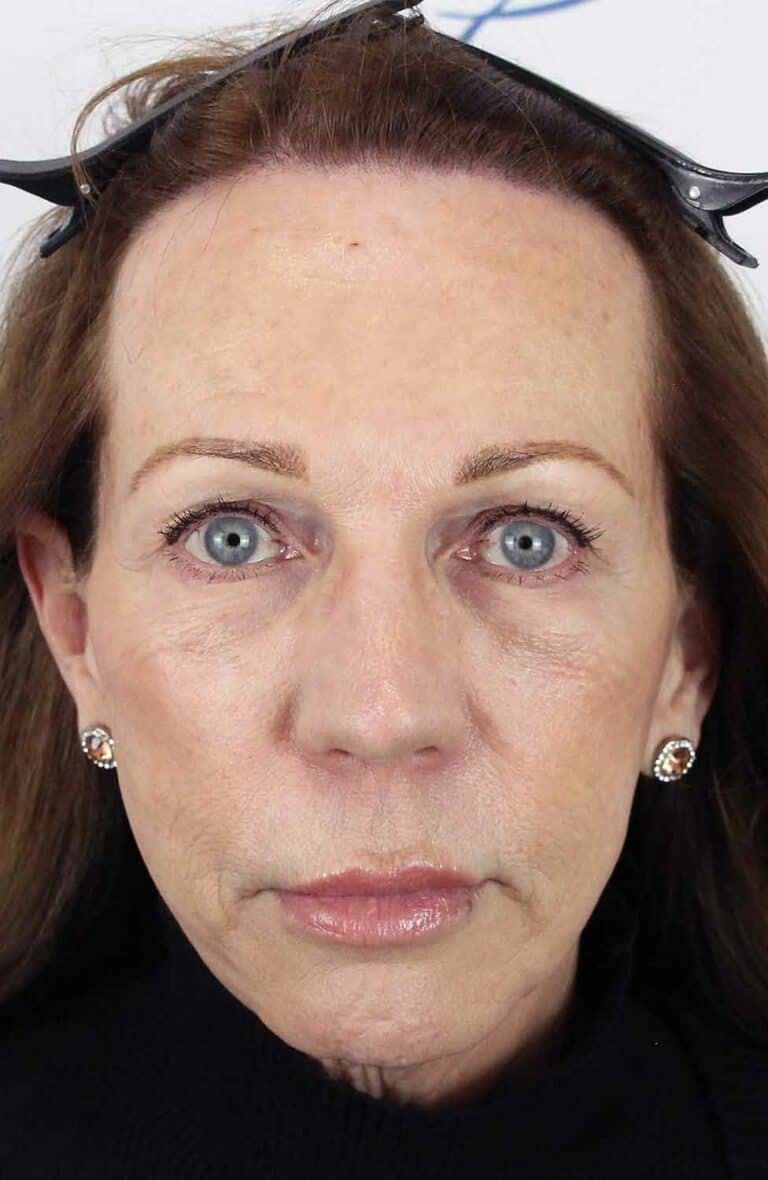
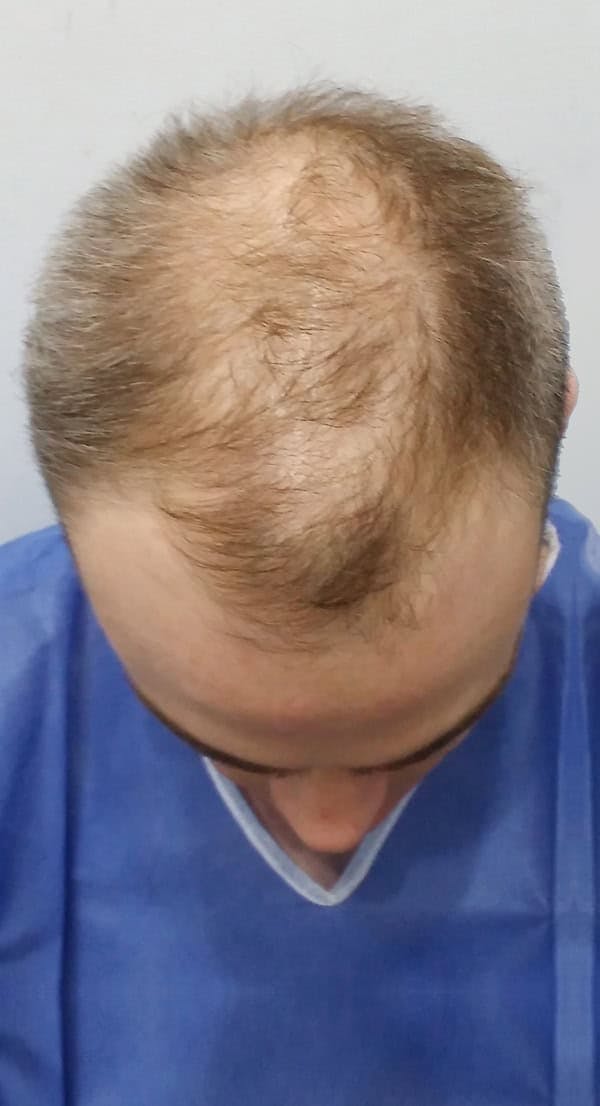
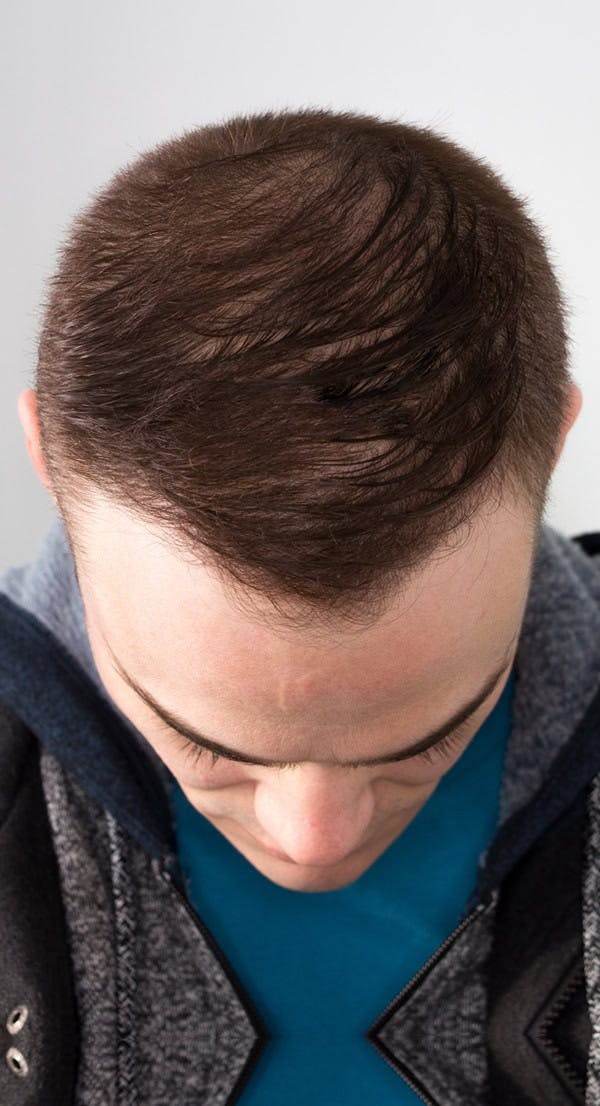
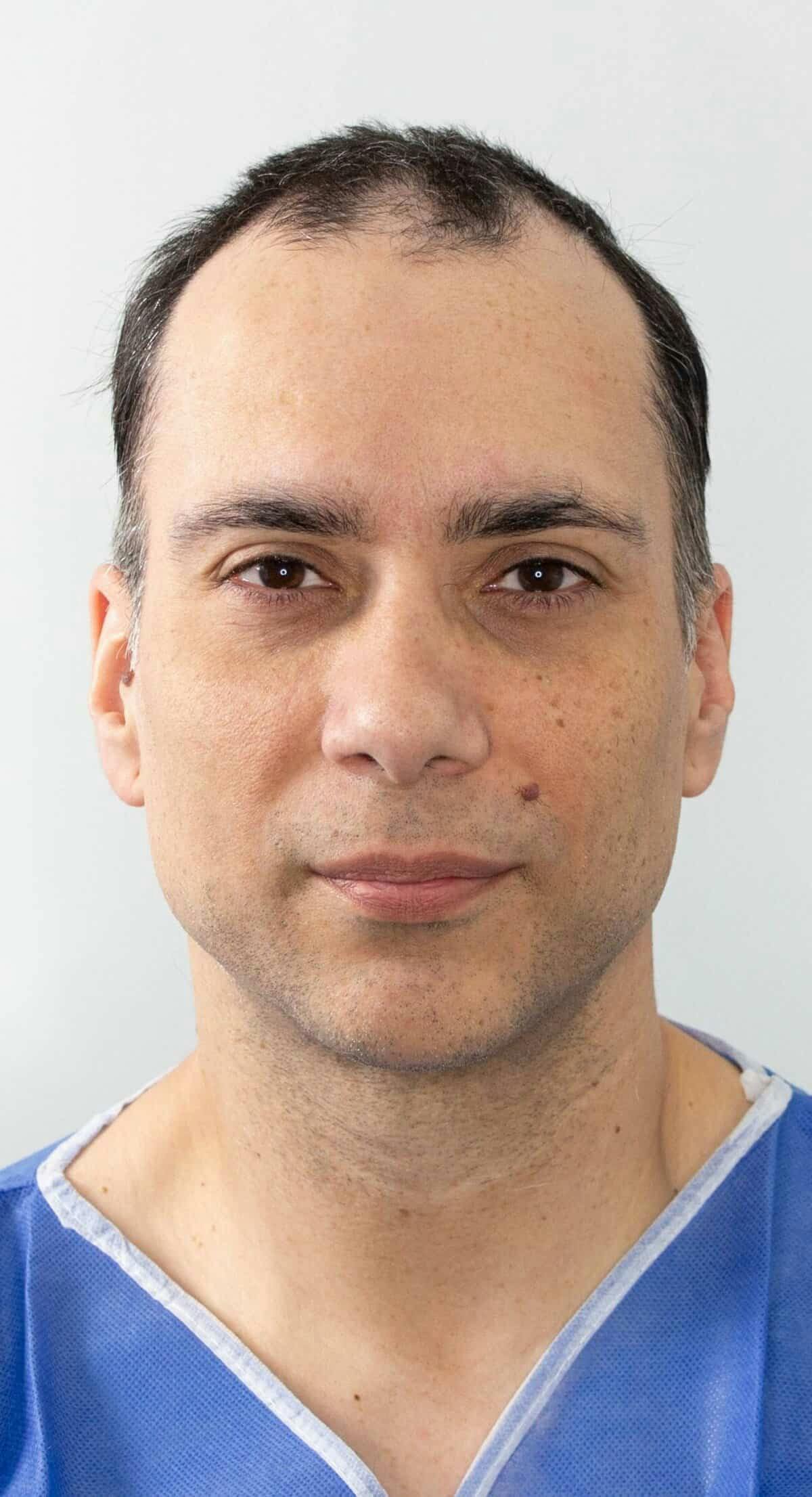
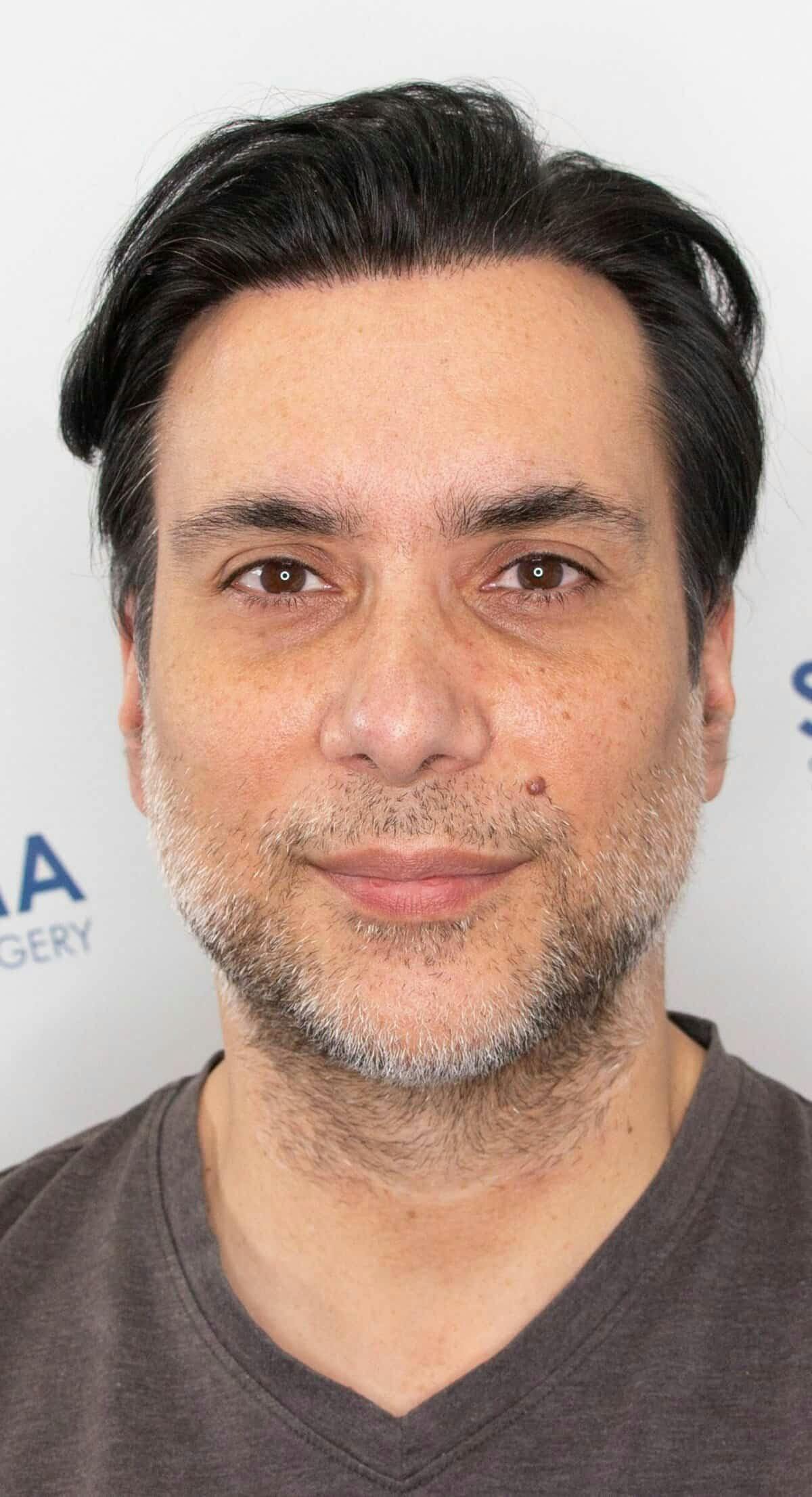
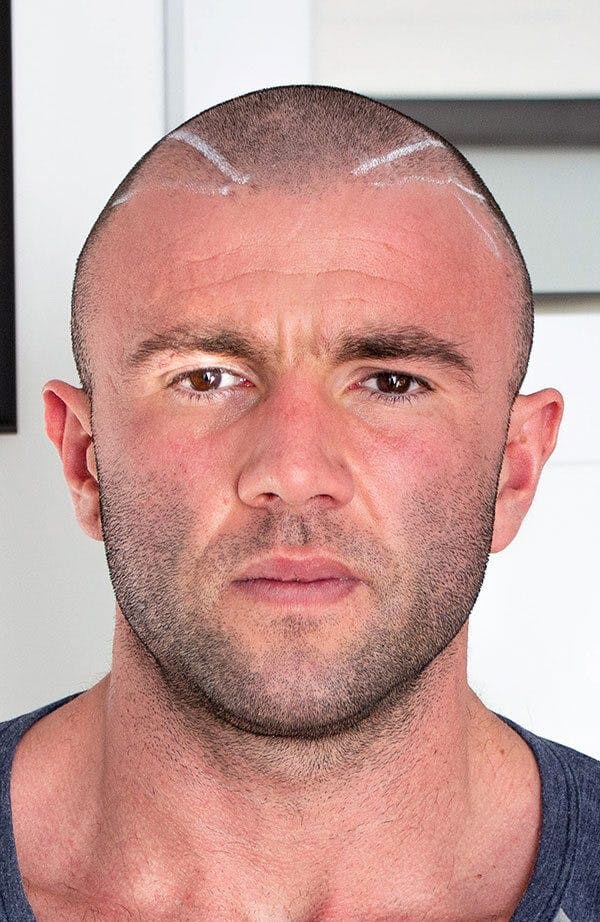
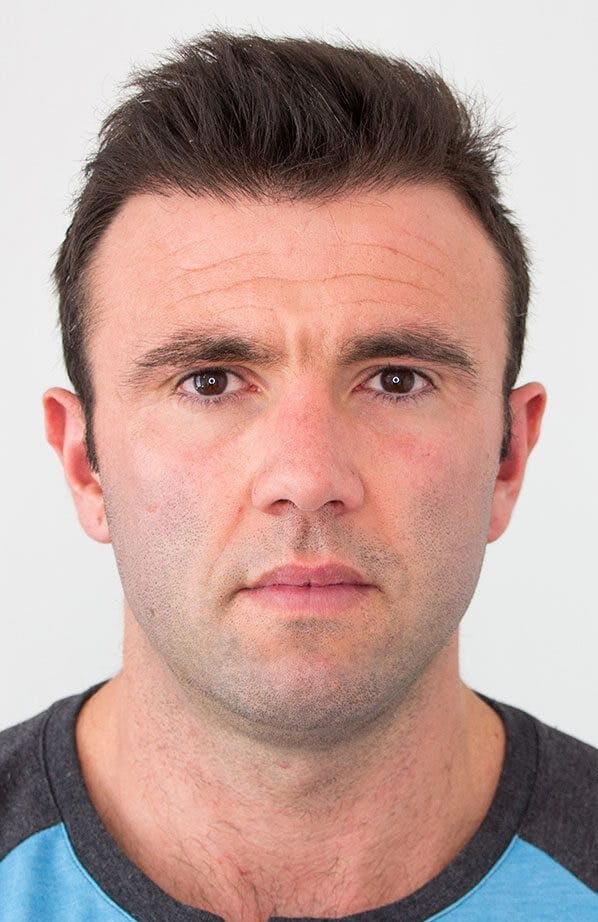
Our Gallery of Results
Before
After
Time Between Photos:
12 Months
Type of Surgery:
Follicular Unit Excision (F.U.E.)
FUE uses individual follicular units extracted from the donor area and placed into thinning or balding areas. The technique creates small, dispersed extraction sites and is well-suited for patients who prefer to wear their hair short.
FUT removes a thin strip of donor scalp, which is carefully divided into individual follicular units for transplantation. It can provide a higher graft yield in a single session but leaves a linear scar in the donor area.
FUE and FUT are proven hair transplant techniques that differ primarily in how donor follicles are harvested. The right approach depends on factors such as your hair loss, donor supply, desired graft yield, and hairstyle preferences.
No-shave and long hair FUE techniques allow follicles to be harvested without fully shaving the donor area. These options provide a more discreet approach for patients who want to maintain their existing hairstyle during treatment.
A beard transplant uses healthy follicles from the scalp to restore density to sparse, uneven, or scarred areas of the beard. Grafts are carefully placed to follow natural facial hair growth patterns for a balanced result.
A moustache transplant uses scalp follicles to add density and definition to sparse or scarred areas above the upper lip. Individual grafts are positioned to follow the natural direction of moustache hair growth.
Eyebrow transplantation uses individual hair grafts to restore or refine the natural brow line. Each graft is carefully positioned according to facial proportions and natural brow growth patterns for a balanced appearance.
Crown hair transplantation restores thinning or balding areas at the top and back of the scalp. Treatment is carefully planned around existing hair loss and potential future progression to preserve the available donor supply.
Hairline transplantation uses individual follicular units to recreate or restore the frontal hairline. Placement is planned around facial proportions, natural recession patterns, and future hair loss for a cohesive, natural-looking result.
Hairline lowering and forehead reduction procedures reduce the distance between the hairline and eyebrows to create more balanced facial proportions. Treatment is customized around the existing hairline, hair density, and individual facial structure.
Female hair transplantation addresses thinning and hair loss using an approach tailored to female hair loss patterns. Donor density, existing hair, and the pattern of thinning are carefully evaluated when determining candidacy and graft placement.
Hair transplant scar treatments can improve the appearance of visible scarring from previous FUE or FUT procedures. Depending on the scar and surrounding hair, treatment may involve strategically placing follicles within or around the affected area.
Understanding the structure of hair, follicles, and grafts helps explain how hair transplantation works. Each graft may contain one or more follicles, which are carefully harvested and placed to recreate natural hair growth.
Hair loss treatment may include medical therapies, regenerative treatments, or surgical restoration depending on the cause and progression of hair loss. Options are tailored to each patient’s current hair density, follicle health, and long-term goals.
Hair loss treatment for women is tailored to the underlying cause and pattern of thinning. Treatment may include medical or regenerative therapies designed to slow further loss, preserve existing hair, and support healthier growth.
The Canadian Hair Transplant Centre Difference
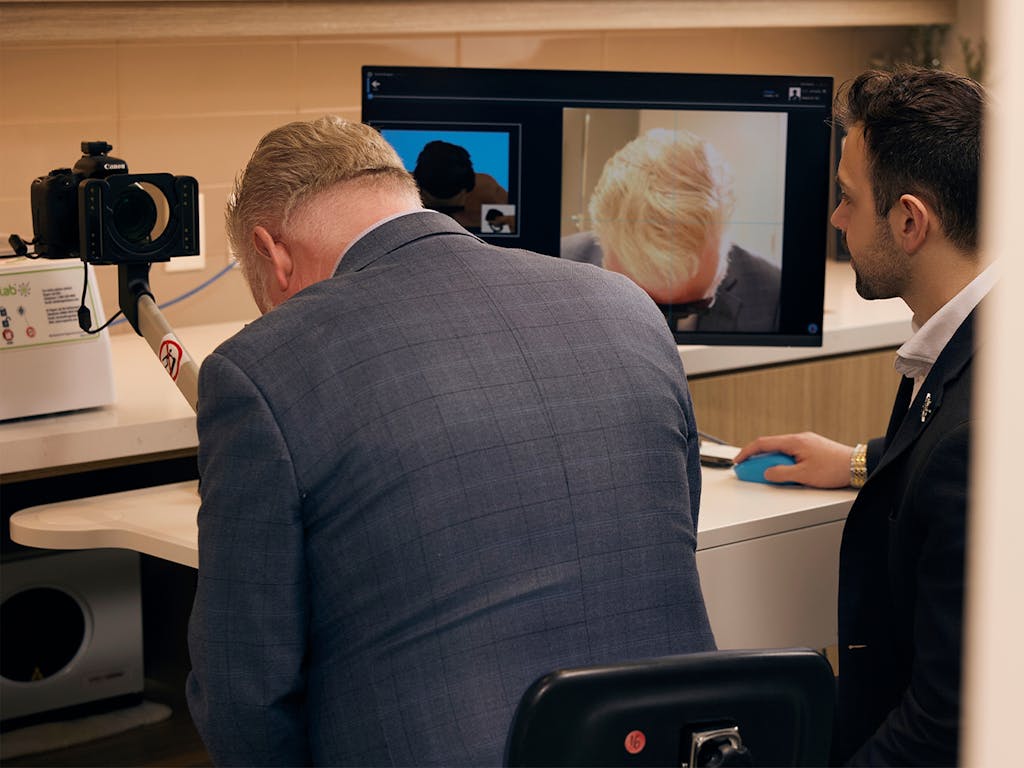
When you choose the Canadian Hair Transplant Centre for your hair transplant in Edmonton, you choose an experience grounded in clinical excellence at every level. Here, every surgical step is performed by our founder, Dr. Anil Sharma, alongside a team of highly trained technicians and nurses. Together, they leverage a suite of advanced tools, including TrichoScan and TRANSPLANNER, to design customised procedures for every patient. All of our procedures comply with the rigorous safety and ethical standards of the International Society of Hair Restoration Surgery (ISHRS). To date, Dr. Sharma has completed over 1,000 successful transplants with tracked outcomes across Alberta, England, and Scotland, delivering natural-looking results that feel authentic to each patient’s appearance.
Pricing depends on the number of grafts required and the type of procedure. Most procedures at our clinic range from $9,000 to $15,000 CAD. We’ll provide you with a detailed cost breakdown after your initial assessment with no obligation to proceed.
How long is the recovery after a hair transplant?
Most patients return to office-based work within three days. Physical activity should be avoided for approximately seven days to avoid sweating and irritating the scalp. Mild swelling and crusting in the recipient area are normal and typically resolve within the first week following the procedure.
Is transplanted hair permanent?
Yes. Transplanted follicles are harvested from genetically stable, DHT-resistant areas of the scalp and retain that resistance after relocation, meaning the transplanted hair continues to grow permanently. Non-transplanted hair may continue to thin over time, which Dr. Sharma will factor into your long-term hair restoration plan.
What is the difference between FUE and FUT?
FUE extracts follicles individually, leaving small dispersed sites suited to patients who prefer shorter hairstyles, while FUT removes a linear strip, allowing for higher graft volumes in a single session. Dr. Sharma will recommend the appropriate method based on your scalp characteristics, donor supply, and restoration goals during your initial consultation.
Who is a good candidate for a hair transplant?
Candidacy is determined through a clinical consultation that includes TrichoScan imaging, a full scalp assessment, and a review of your medical history. The key factors are adequate donor density, stable hair loss progression, and the absence of active scalp conditions that would affect healing.
Hair transplant surgery requires careful evaluation and planning. Schedule a consultation to determine if you are a candidate for FUE or FUT procedures. The assessment includes donor evaluation, recipient area analysis, and discussion of realistic outcomes based on your individual characteristics. For medical therapy options, consult with your primary physician or dermatologist.
Accessibility: If you are vision-impaired or have some other disability covered by the Accessible Canada Act, provincial accessibility or human rights legislation, or a similar law, and you wish to discuss potential accommodations related to using this website, please contact our Accessibility Manager at (780) 476-7970.