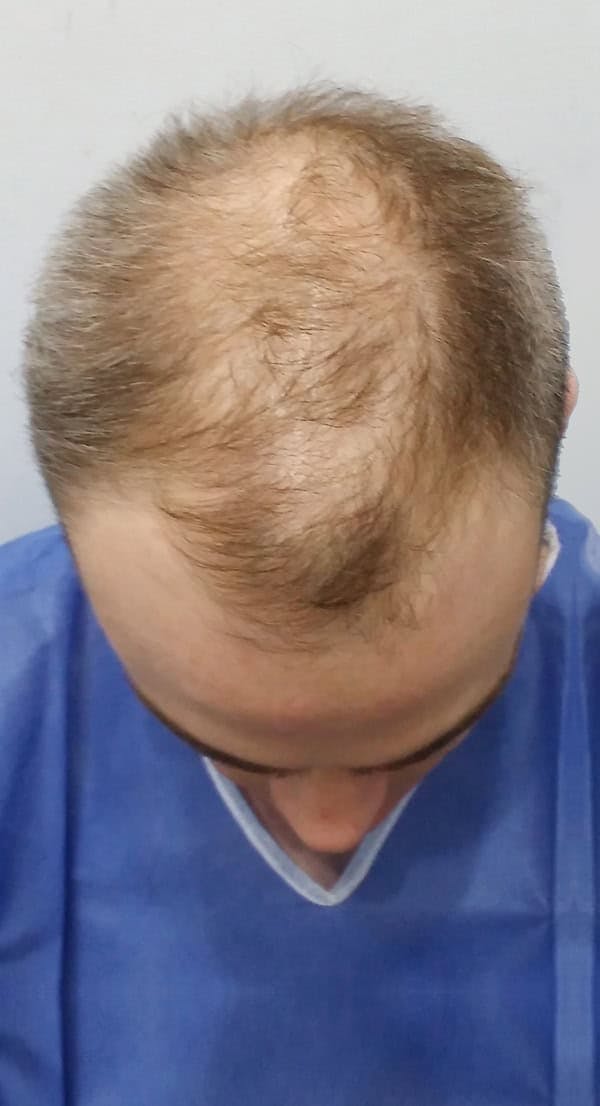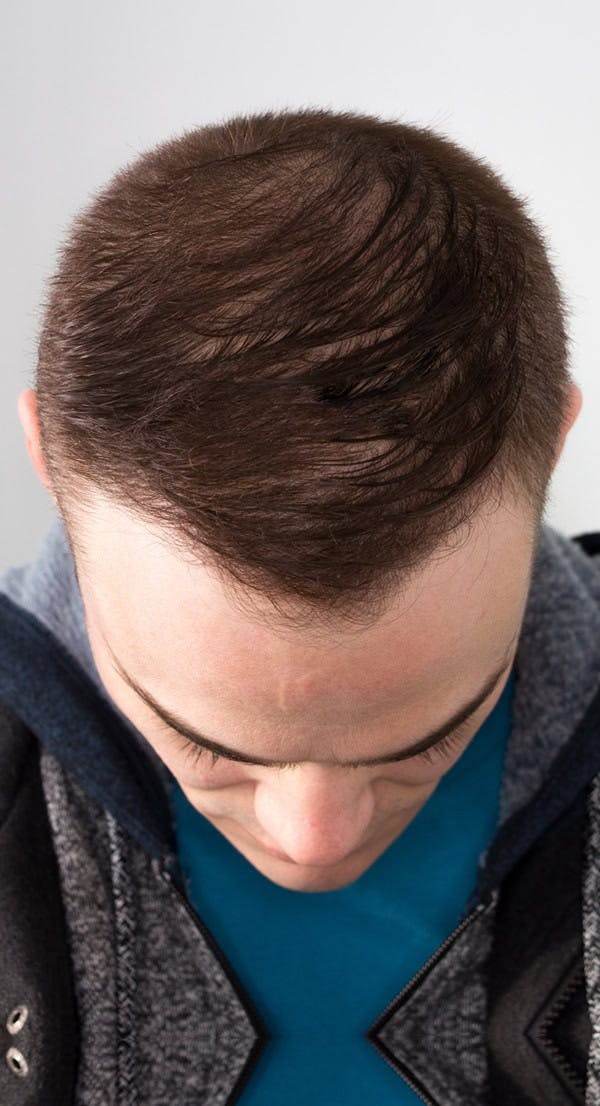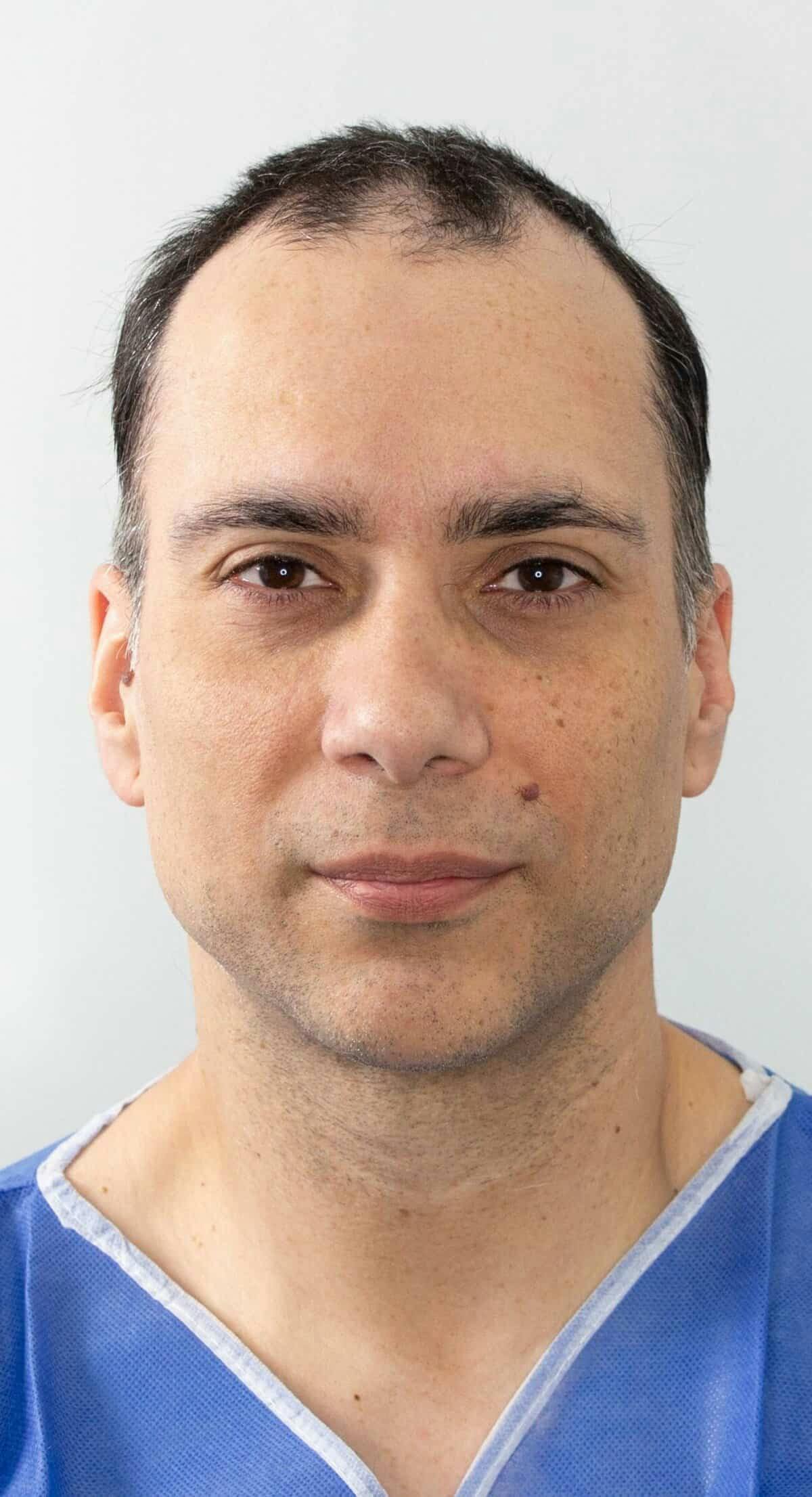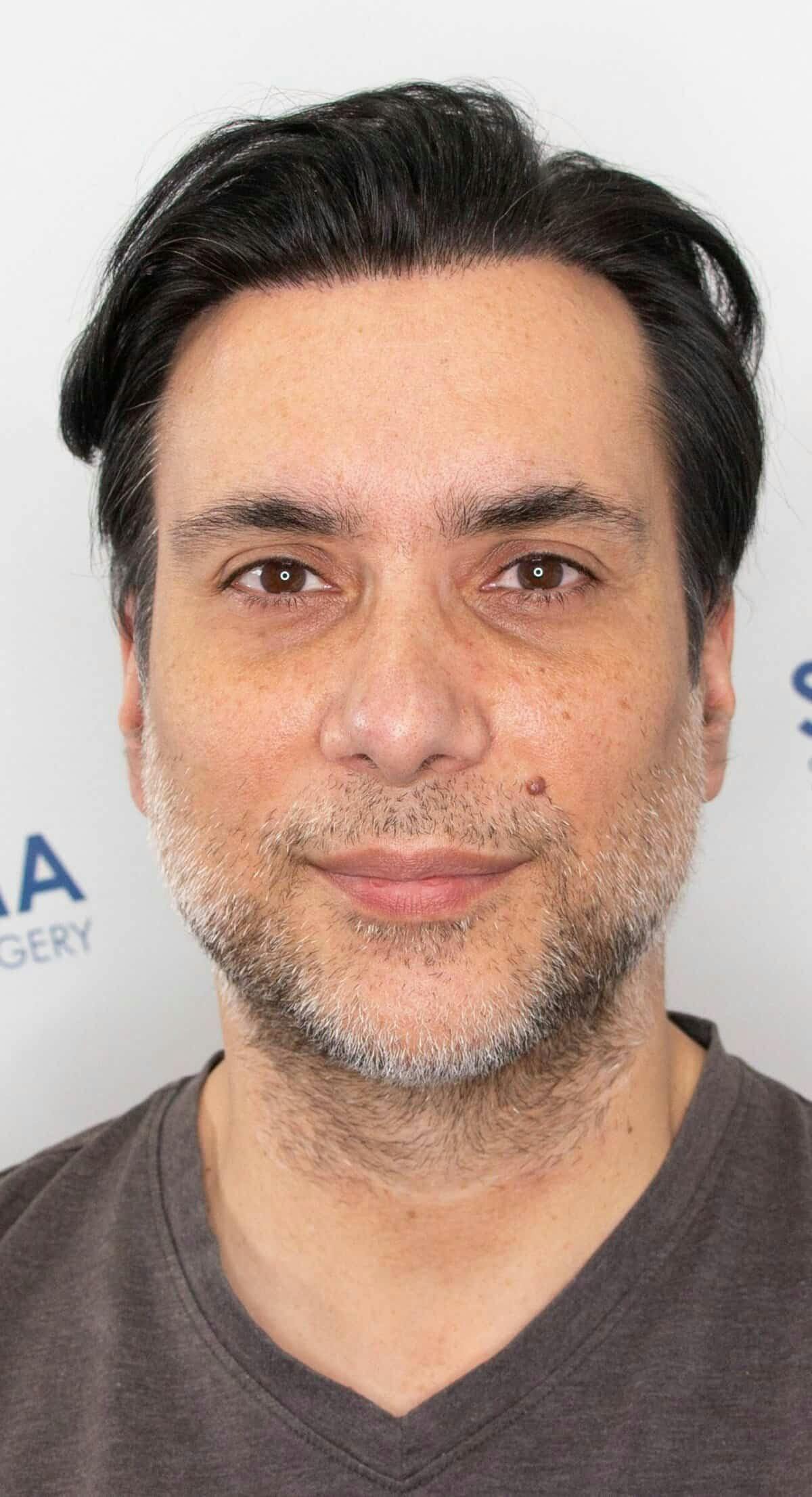
Reclaiming Your Confidence With Individualized Hair Restoration

Hair loss in women requires a fundamentally different clinical approach than male pattern restoration. Diffuse thinning, hormonal influences, and the preservation of natural hairline contours all demand specialized assessment and technique. At the Canadian Hair Transplant Centre, our founder, Dr. Sharma, addresses female hair restoration with physician-led precision and a keen artistic eye trained to harmonize the hairline and the face.

woman touching her shoulder

What Is a Female Hair Transplant?

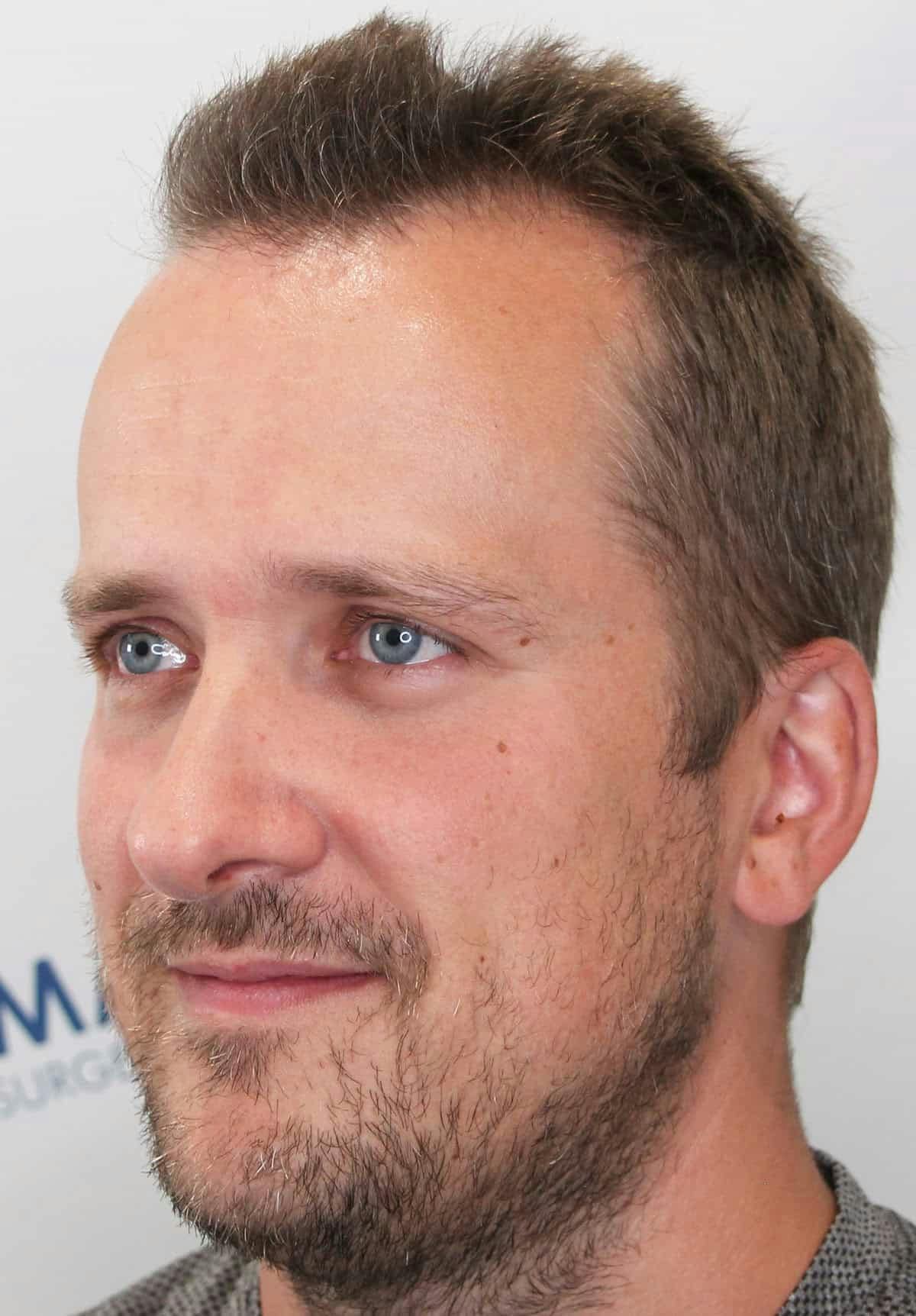
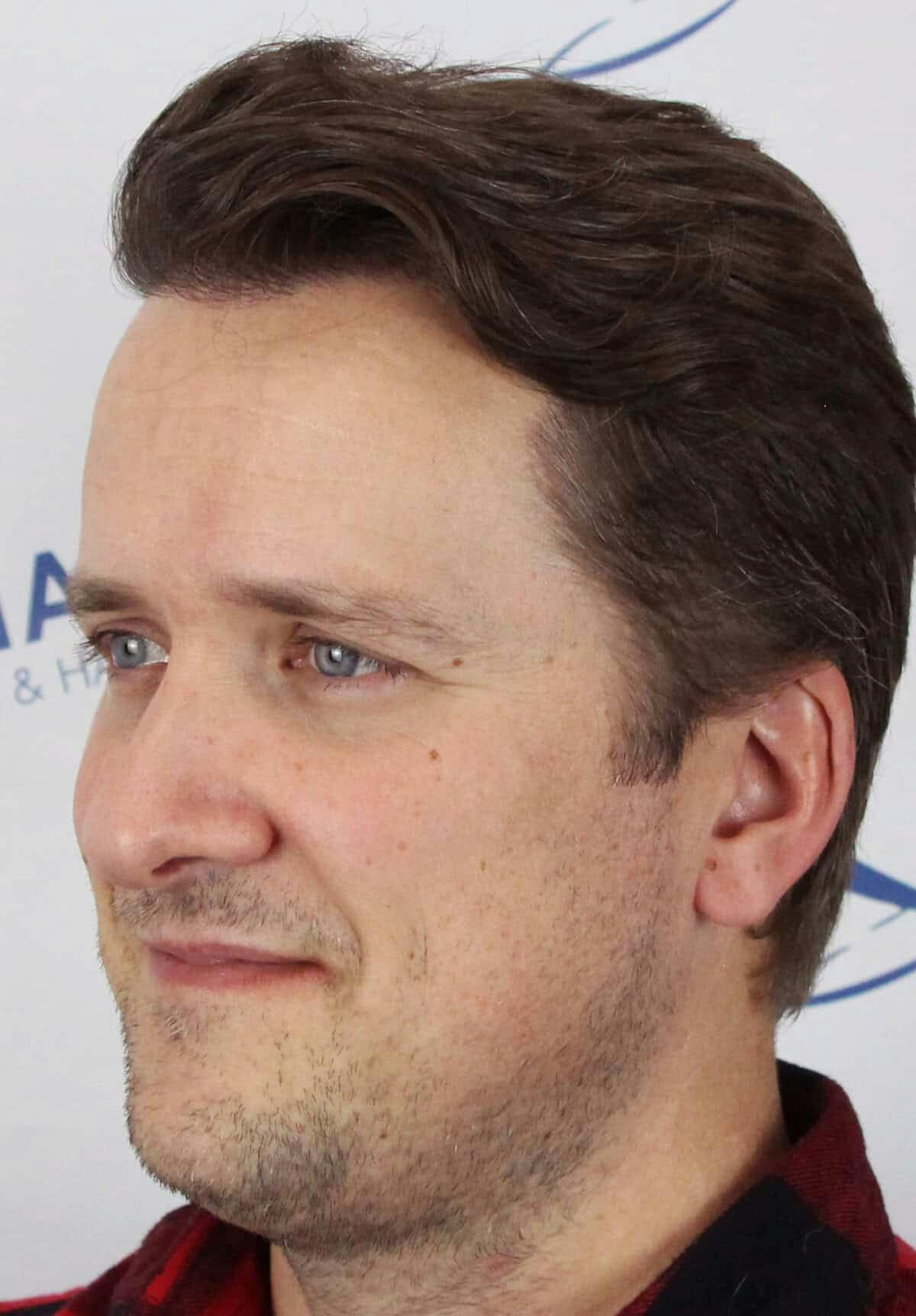
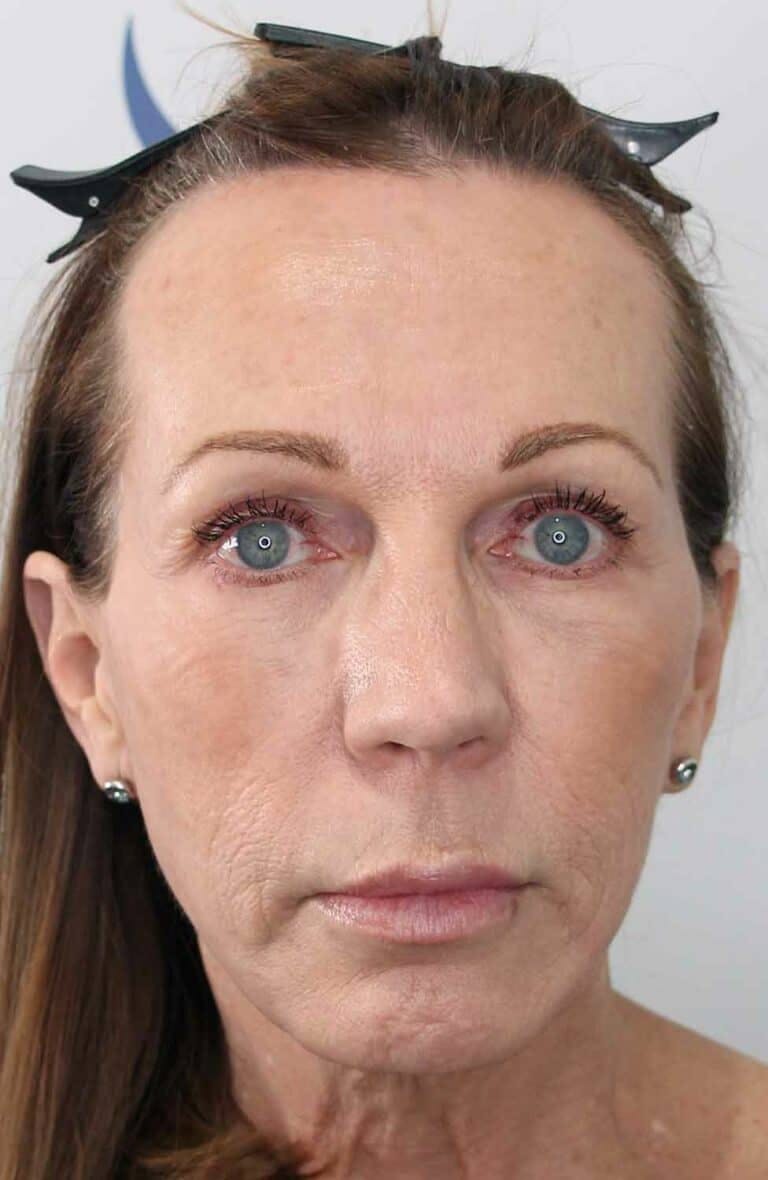
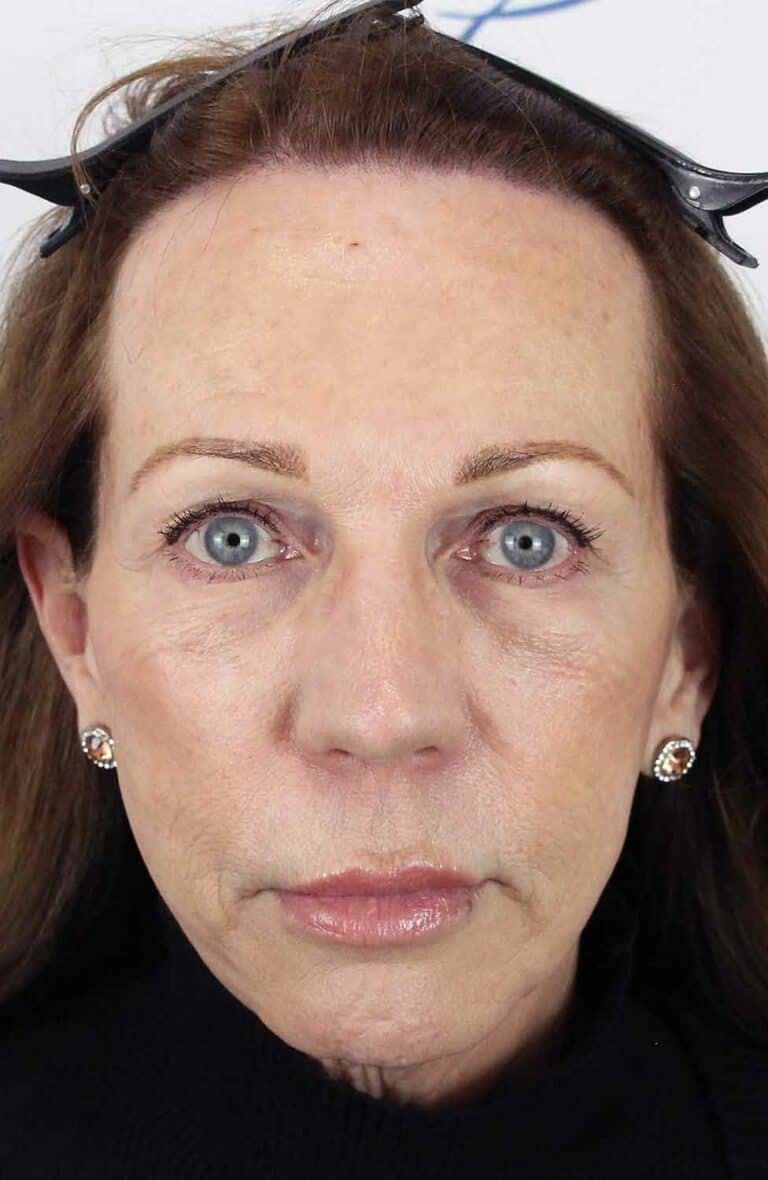
A female hair transplant is a specialized microsurgical procedure in which individual follicular units are harvested from the DHT-resistant back and sides of the scalp and implanted into regions of thinning or loss. Because women typically present with diffuse thinning rather than defined areas of complete baldness, the clinical assessment, graft distribution strategy, and hairline design used in female restoration differ significantly from those used in male restoration. When performed on an appropriate candidate, the results are permanent and undetectable, restoring a full, voluminous head of hair.
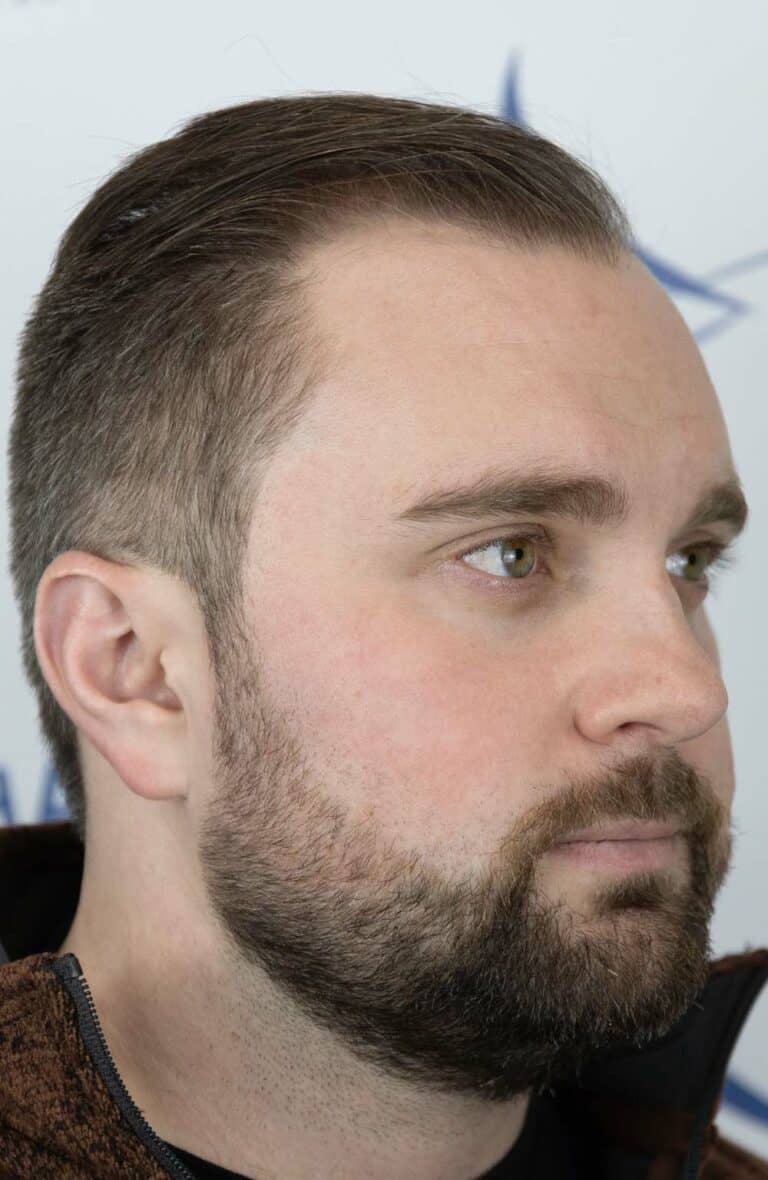
“One year in, and I couldn’t be happier with the results that Dr. Sharma and his team have given me.”
–N.X.
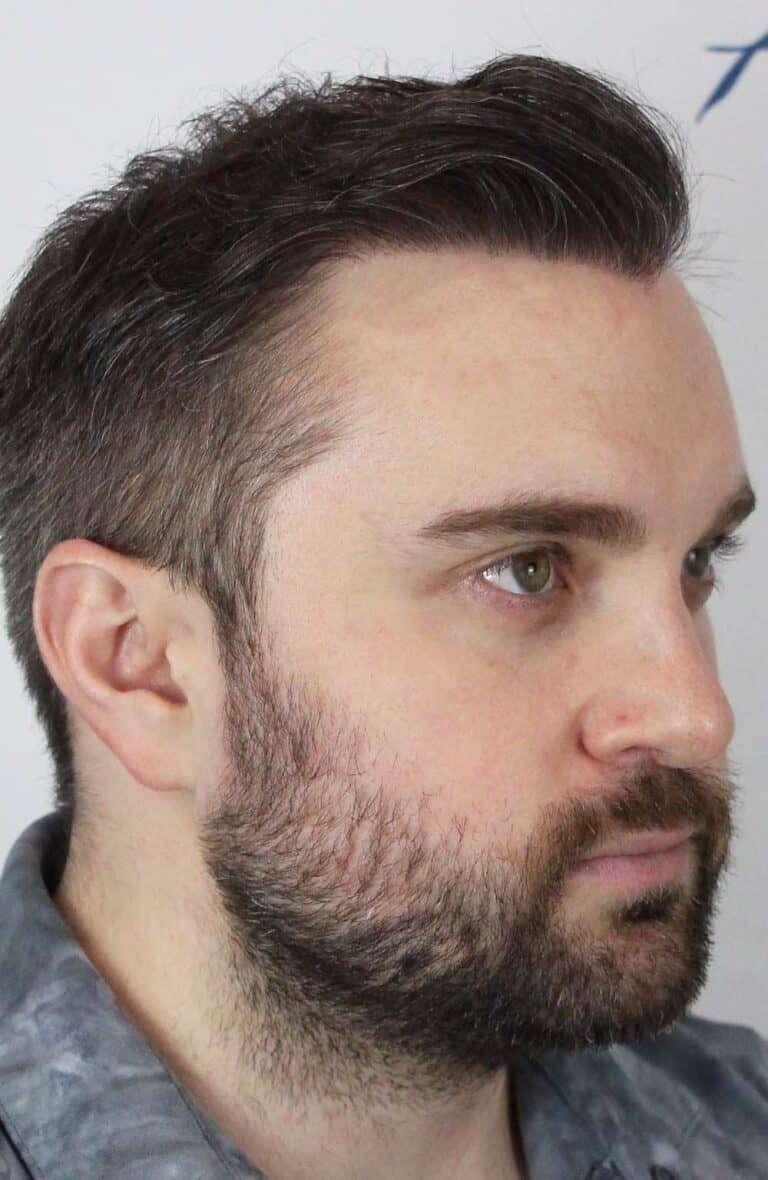
“I'm just under 1 year post surgery and I'm so happy with my results so far.”
–C.B.
“Dr. Sharma is outstanding—truly the best in his field.”
–A.B.
“I recently had a 4000 graft hair transplant surgery over two days, and it was an incredible experience from start to finish.”
–F.K.
“If you're considering this procedure, put Dr. Sharma and his team on your short list of clinics.”
–R.D.
Doctor media

The Canadian Hair Transplant Centre Difference

When you choose the Canadian Hair Transplant Centre for your female hair transplant in Edmonton, you choose an experience rooted in surgical precision and customised, doctor-driven care. The critical steps of every procedure are performed by Dr. Sharma, including recipient site creation, angle determination and aesthetic design. Implantation is performed by our specialist team. Dr. Sharma holds an MD and MB ChB from the University of Glasgow, is an active member of the International Society of Hair Restoration Surgery (ISHRS), and is registered with the College of Physicians and Surgeons of Alberta (CPSA). Licensed to practise in Alberta, England, and Scotland, Dr. Sharma has completed more than 1,000 successful procedures over his 15+ years of clinical experience. Our clinic operates as CPSA-approved Non-Hospital Surgical Facilities, with strict infection prevention and control (IPAC) certification and facility standards.

Doctor background

Testimonials

My biggest insecurity is now gone!

Over a year in and I am so pleased with how my hair came in. My biggest insecurity is now gone! Dr. Sharma has such a great and caring team!

Destiny Chase 5 out of 5 stars

I would highly recommend Dr Sharma.

The staff and the Sharma Clinic is always very welcoming and professional. Dr Sharma takes the time to listen to his patients and is very thorough with his procedures. The staff...

The staff and the Sharma Clinic is always very welcoming and professional. Dr Sharma takes the time to listen to his patients and is very thorough with his procedures. The staff always does a follow up call to make sure things have gone smoothly. I would highly recommend Dr Sharma.

Danusia Gale 5 out of 5 stars

The entire staff really care about your success.

The entire staff really care about your success. Dr Sharma is a fantastic surgeon with countless amazing transplant. Do not 2nd guess Call and book a appointment

Daryl Heisler 5 out of 5 stars

By far the best hair transplant doctor in Alberta, highly recommend.

By far the best hair transplant doctor in Alberta, highly recommend. The staff are top notch and very helpful.

Drew 5 out of 5 stars

Dr Sharma and his team were genuine

Dr Sharma and his team were genuine, professional and very courteous. If you’re thinking about getting any procedure done there I highly recommend it. It was the best money my p...

Dr Sharma and his team were genuine, professional and very courteous. If you’re thinking about getting any procedure done there I highly recommend it. It was the best money my partner ever spent.

Ryanne Dufour 5 out of 5 stars

Life changing. 10/10!!

Dr. Sharma and his staff were incredible from start to finish and the results exceeded expectations. Life changing. 10/10!!

Sean Zuk 5 out of 5 stars

My hairline looks better than it did at 18 years old and I couldn't be happier.

Got a FUE transplant with Dr. Sharma about 6 months ago and would honestly recommend him to anyone. Very thorough and helpful throughout the entire process, his team was on top ...

Got a FUE transplant with Dr. Sharma about 6 months ago and would honestly recommend him to anyone. Very thorough and helpful throughout the entire process, his team was on top of everything. Most importantly though, they simply did an incredible job on my transplant. My hairline looks better than it did at 18 years old and I couldn't be happier.

Colton Girard 5 out of 5 stars
Reviews media

What to Expect From Your Female Hair Transplant in Edmonton

Medical Evaluation and Candidacy Assessment

To begin your hair restoration journey, Dr. Sharma will conduct a thorough clinical evaluation during your consultation to identify the underlying cause of your hair loss and rule out conditions that could affect the donor area's stability. Patients who have not previously consulted a medical professional about their hair loss are strongly encouraged to see their family physician or obtain a referral to a medical dermatologist before booking a consultation. Dr. Sharma will assess the following as part of every female candidacy evaluation:

  • Pattern and distribution of hair loss, staged using the Ludwig classification system
  • Donor density assessment using TrichoScan imaging, with a minimum threshold of 70 follicular units per square centimetre required for candidacy
  • Hormonal stability, including thyroid function, PCOS status, and menopausal changes that may affect the donor area
  • Absence of active inflammatory or autoimmune conditions affecting the scalp
  • Medical clearance confirming suitability for outpatient surgery under local anaesthesia

Surgical Planning and Technique Selection

At the end of your consultation, Dr. Sharma will recommend either a follicular unit extraction (FUE) or follicular unit transplantation (FUT) based on your donor characteristics, degree of loss, scalp laxity, and styling preferences.

If you wish to maintain your current hair length throughout recovery, letterbox FUE allows individual grafts to be extracted through small windows that remain concealed beneath longer surrounding hair. FUT is more appropriate for patients requiring a higher graft yield, and uses a trichophytic closure technique that allows hair to grow directly through the incision line, producing a nearly undetectable scar.

Graft Extraction and Preservation

During surgery, Dr. Sharma manually extracts grafts using 0.6 to 0.7 mm punches for FUE cases, and makes a precision linear excision for FUT, using local anaesthesia to prevent pain and discomfort. All harvested grafts will be immediately placed in ATP-enhanced HypoThermosol solution at 2-4℃. We use a first-out, first-in system to minimise the time each follicle spends outside the body, preserving its integrity. Prior to placement, every graft will undergo stereomicroscopic inspection and will be classified by the following criteria:

  • Hair count per follicular unit
  • Shaft diameter and calibre
  • Structural integrity of the root and bulge region

Overall graft condition, with damaged or incomplete units excluded from implantation

Strategic Graft Placement

Dr. Sharma begins implantation by creating recipient sites with custom blades matched to the dimensions of each individual graft. Every incision is made at 30-40° angles to align with the natural direction of surrounding hair growth. Special attention will be given to the hairline zone, where single-hair follicular units will be placed in a feathered, irregular pattern to produce a soft and natural leading edge. Dr. Sharma will leverage his artistic eye to shape the temple points and lateral hairline contours, designing them to frame the face in a way appropriate to female facial anatomy. He’ll use multi-hair grafts in areas requiring density behind the hairline, and the distribution of grafts across diffuse thinning zones will be calibrated against the total available donor supply to achieve optimal coverage.

Schedule A Consultation

Contact us media

Patient-Centred Recovery

Recovery after female hair transplants in Edmonton typically involves mild swelling, tenderness, and scabbing at the recipient sites in the first week, with side effects generally resolving within two weeks. Female patients using the no-shave FUE technique will find that longer surrounding hair helps conceal the donor area throughout the recovery period. We’ll provide you with a hydration spray to care for the transplanted area without disrupting newly placed grafts. Most patients resume everyday activities, including desk work, social gatherings, and light movement, within three to five days. Strenuous activity should be avoided for at least two weeks to prevent sweating and scalp irritation.

Your Personalized Post-Op Process

After your procedure, Dr. Sharma will share a customised recovery plan designed to suit your specific healing needs. Your plan may include the following:

  • Incision site care and cleaning protocols
  • Sun protection and exposure requirements
  • Scalp care guidelines
  • Hygiene and hair styling recommendations
  • Activity limitations
  • Headwear guidance
  • Side effects to monitor
  • Swelling and discomfort management strategies

Over the coming months, you will return to our Edmonton office for short follow-up visits with Dr. Sharma. There, he’ll assess your healing progress, evaluate graft integration, and discuss your satisfaction and any further thinning you’ve noticed.

Background media

Natural-Looking, Beautiful Results

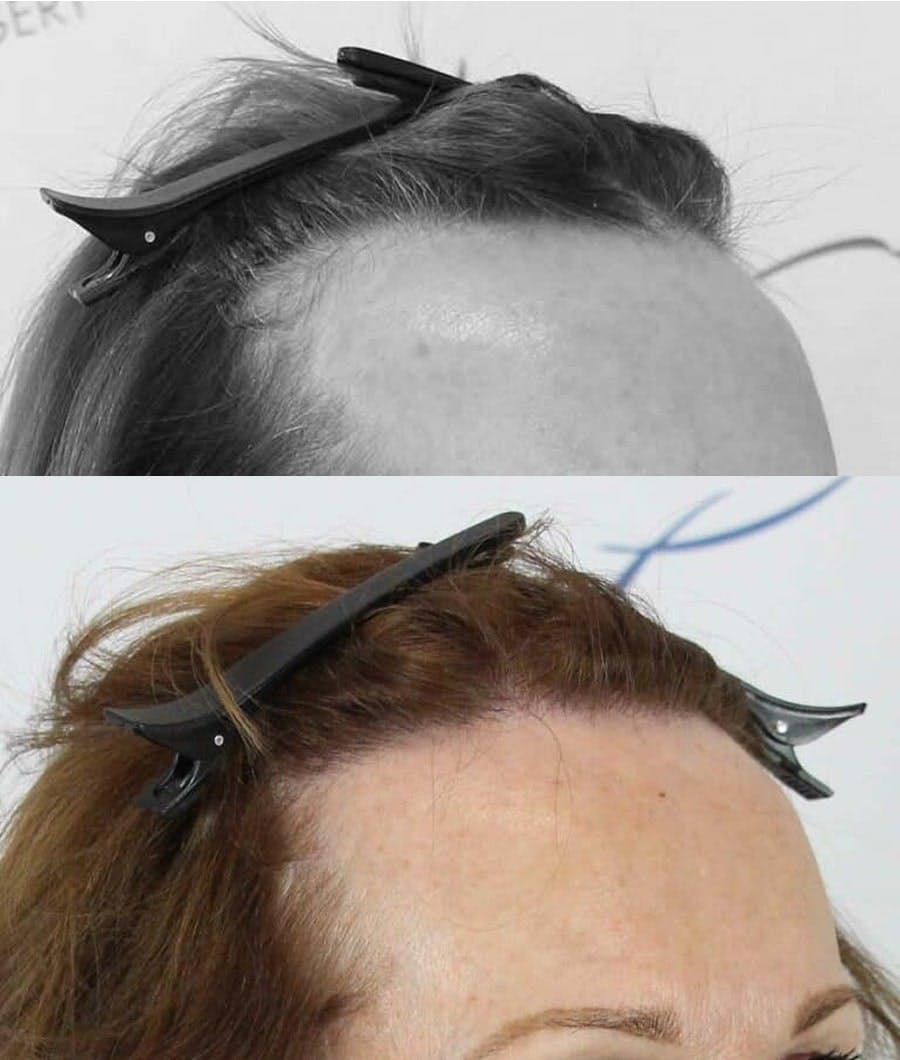
The final results of your female hair transplant in Edmonton may take over a year to fully mature.

Shedding is a normal part of early recovery, making way for initial hair growth at the three-month mark.

Hair density, fullness, and coverage will continue to improve until you reach your final look, typically within 12-18 months.

Female Hair Transplant Frequently Asked Questions

What medical conditions should be ruled out before a female hair transplant?

Thyroid dysfunction, PCOS, telogen effluvium, nutritional deficiencies, and autoimmune conditions such as alopecia areata can all affect donor area stability and graft outcomes. Dr. Sharma recommends that patients without a prior medical evaluation for their hair loss consult their family physician or a dermatologist before proceeding.

How does female hairline design differ from male hairline restoration?

Female hairlines are designed with softer, more rounded contours rather than the angular recession pattern typical of male restoration. Here, we focus on restoring natural density across areas of diffuse thinning, preserving temporal hair, and creating graduated transitions that complement female facial proportions.

Can a female hair transplant address thinning across the entire top of the scalp?

Yes, depending on the available donor supply and the extent of thinning. Diffuse thinning across a large surface area requires careful graft allocation, and candidacy is determined through TrichoScan imaging and a full clinical assessment. In some cases, staged procedures across multiple sessions provide the most sustainable long-term outcome.

Is the no-shave technique available for female patients?

Yes. The no-shave FUE technique is particularly well-suited to female patients who wish to maintain their existing hairstyle throughout recovery. Grafts are extracted through discreet windows in the donor area that remain concealed beneath surrounding hair. Dr. Sharma will confirm your candidacy during your consultation.

Will my transplanted hair continue to thin over time?

Transplanted follicles are DHT-resistant and retain that resistance after relocation, meaning they grow permanently. However, surrounding non-transplanted hair may continue to thin if the underlying cause of your hair loss is not addressed. Medical hair loss therapies can help slow ongoing progression and support the long-term health of native hair in untreated areas.

Schedule Your Surgical Consultation

Hair transplant surgery requires careful evaluation and planning. Schedule a consultation to determine if you are a candidate for FUE or FUT procedures. The assessment includes donor evaluation, recipient area analysis, and discussion of realistic outcomes based on your individual characteristics. For medical therapy options, consult with your primary physician or dermatologist.

Contact us media Contact us media
Accessibility: If you are vision-impaired or have some other disability covered by the Accessible Canada Act, provincial accessibility or human rights legislation, or a similar law, and you wish to discuss potential accommodations related to using this website, please contact our Accessibility Manager at (780) 476-7970.
Book Consultation